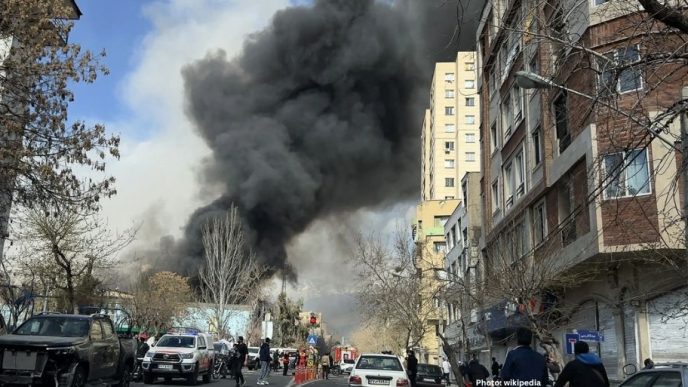
As geopolitical tensions in Iran intensify, oil prices have seen considerable volatility, raising concerns over global economic stability and market dynamics.
In recent weeks, the global oil market has been significantly affected by escalating tensions in Iran, a key player in the international crude oil supply chain. Reports indicate that these geopolitical conflicts have led to marked fluctuations in oil prices, impacting markets and economies worldwide.
On May 25, 2026, Brent crude prices reached $85 per barrel, an 8% increase from the previous month. Analysts attribute this surge to fears of potential military conflict and disruptions to vital oil supply routes. The Strait of Hormuz, a critical maritime chokepoint through which approximately 20% of the world’s oil supply is transported, has been at the center of these concerns. Any military action in this area could severely disrupt oil shipments, leading to significant price hikes.
Historical Context of Oil Market Volatility
The fluctuations in oil prices observed today echo similar patterns seen during past geopolitical conflicts, particularly in the Middle East. Historical instances, such as the Gulf War in the early 1990s and the Iraq War in the early 2000s, demonstrated how conflicts in the region could lead to dramatic price increases due to market fears and supply disruptions. The complexities surrounding these conflicts often lead to prolonged instability in oil prices.
Currently, the Iranian government faces mounting pressure from both domestic and international fronts due to its nuclear ambitions and aggressive regional activities. In retaliation to sanctions imposed by Western nations, Iran has threatened to disrupt oil shipments, heightening fears in the global oil market. Such threats are not merely rhetorical; they indicate a willingness to leverage oil supply as a geopolitical tool.
Market Reactions and Future Projections
Market analysts are closely observing the situation, with projections suggesting that escalating tensions could push oil prices above $90 per barrel. Carla Mitchell, an oil market analyst at Global Energy Insights, stated, “If tensions continue to rise, we could reach a critical point where prices soar even higher. The implications of such a spike would reverberate across various sectors, from transportation to heating costs, ultimately burdening consumers.”
Consumers are already beginning to feel the impact of rising oil prices. Major airlines have started adjusting their fuel surcharges in anticipation of increased costs, and motorists are facing higher prices at the pump. According to data from the American Automobile Association (AAA), the national average for a gallon of gasoline has surged to $3.50, up from $3.20 just one month earlier. This increase poses a significant challenge for American families as the summer travel season approaches, pushing budgetary constraints to the forefront of consumer concerns.
International Responses to Rising Oil Prices
In light of the volatile oil prices, several nations are reevaluating their energy policies. The United States has indicated that it may consider releasing oil from its Strategic Petroleum Reserve as a measure to stabilize prices. A spokesperson from the Department of Energy remarked, “We are in a position to respond if necessary. Our goal is to ensure that American consumers are not unduly affected by international events.”
Additionally, countries heavily reliant on oil imports, particularly in Europe and Asia, are reassessing their energy strategies. These nations are exploring alternative energy sources and fostering increased cooperation on energy security to mitigate the effects of rising oil prices. This shift toward diversification could signal a long-term transformation in global energy consumption patterns.
The Broader Economic Implications
The potential economic ramifications of rising oil prices extend beyond immediate consumer impacts. Industries reliant on oil, such as transportation and manufacturing, are likely to experience increased operational costs, which could lead to higher prices for goods and services. Economists warn that sustained high oil prices could dampen economic growth, potentially leading to inflationary pressures as businesses pass on costs to consumers.
Furthermore, the ongoing tensions in Iran and the associated volatility in oil markets could deter foreign investment in the region, exacerbating economic instability. Analysts caution that if military conflict escalates, the repercussions could extend beyond oil markets, affecting global trade and economic relations.
Conclusion: Preparing for an Uncertain Future
As the geopolitical situation in Iran continues to develop, the ripple effects on oil prices and the global economy are expected to intensify. Stakeholders, including governments, businesses, and consumers, are advised to prepare for potential disruptions and consider strategic measures to mitigate the impact of rising oil costs. The intricate interplay of geopolitical tensions, oil market dynamics, and economic implications underscores the interconnected nature of energy security and international relations in today’s globalized world.