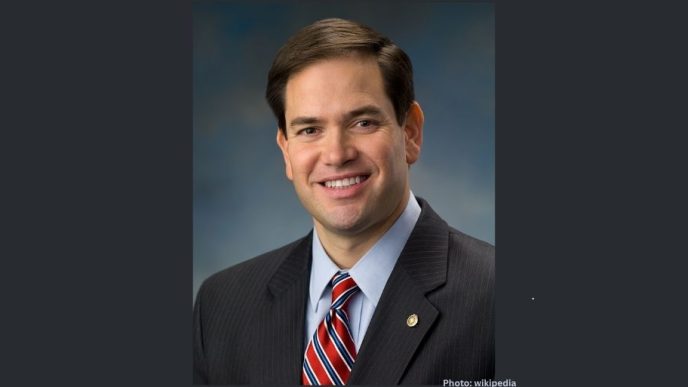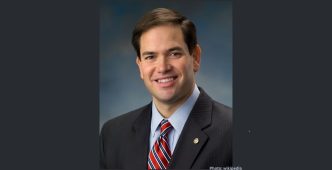
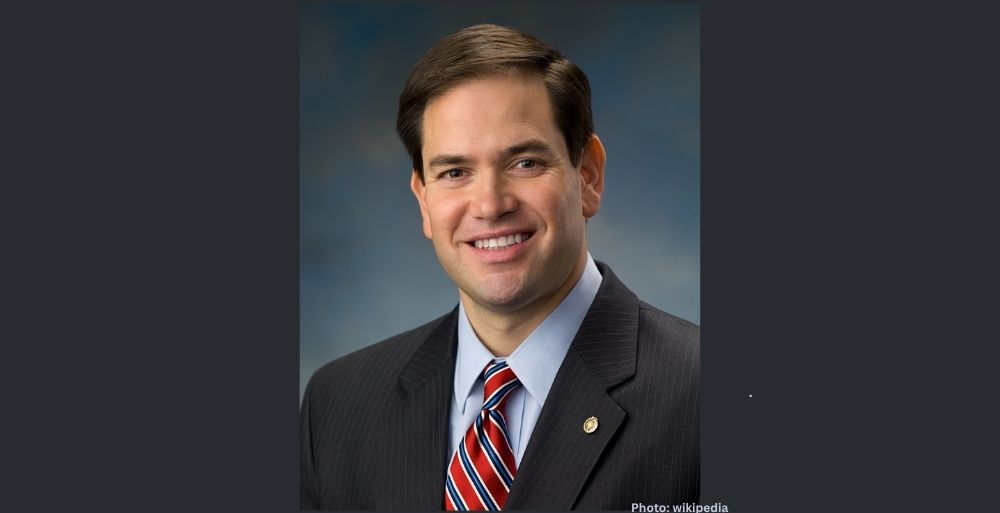
A recent visit by U.S. Secretary of State Marco Rubio to India aims to mend relations strained by tariffs and geopolitical shifts, emphasizing the strategic importance of the U.S.-India partnership amid regional challenges.
KOLKATA, India — U.S. Secretary of State Marco Rubio arrived in India on Saturday as part of a diplomatic effort to repair a partnership that has faced challenges due to tariffs imposed during the Trump administration and increasing U.S. engagement with regional rivals, Pakistan and China. This four-day trip marks Rubio’s first official visit to the South Asian nation.
Upon his arrival in Kolkata, Rubio, who is a practicing Catholic, visited the headquarters of the humanitarian organization founded by Mother Teresa, the Missionaries of Charity. This visit underscores the cultural ties and humanitarian efforts that often accompany diplomatic discussions.
Later on Saturday, Rubio met with Indian Prime Minister Narendra Modi in New Delhi, where they discussed the strategic importance of the U.S.-India partnership. According to a statement released by the State Department, Rubio emphasized that the U.S. would not allow Iran to disrupt the global energy market and highlighted the potential of U.S. energy products to diversify India’s energy supply amid ongoing geopolitical tensions.
Geopolitical Context and Energy Concerns
The ongoing conflict involving Iran has had significant implications for India, particularly with rising energy prices and supply shortages affecting cooking fuel availability. The crisis in the Strait of Hormuz, a critical maritime chokepoint for global oil shipments, has further complicated U.S. efforts to reduce India’s reliance on Russian oil, which has been a point of contention in recent years.
During their discussions, Modi reiterated India’s position on advocating for peace and resolving conflicts through dialogue and diplomacy. While India’s stance has been largely pragmatic, it has condemned Iran’s aggressive actions against its neighbors without joining international denunciations of U.S. and Israeli military actions.
Rubio provided an update on the progress in various areas of bilateral cooperation, including defense, strategic technologies, trade and investment, energy, connectivity, education, and cultural exchanges. He also extended an invitation for Modi to visit the White House, which could further bolster diplomatic ties between the two nations.
Trade Relations and Tariff Challenges
Prior to Rubio’s visit, the State Department indicated that discussions would focus on trade, energy, and defense cooperation. Historically, U.S. presidents have sought to strengthen ties with India as a counterbalance to increasing Russian and Chinese influence in the Indo-Pacific region. However, the relationship faced significant strain in recent years, particularly following the imposition of high tariffs on Indian goods by the Trump administration.
Although some of these tariffs were rolled back in an interim agreement, a comprehensive trade deal has yet to be finalized. New Delhi has sought a visit from Trump to coincide with a summit of the Quad, which includes the U.S., India, Japan, and Australia. However, trade tensions and geopolitical distractions appear to have stalled these aspirations.
Additionally, U.S. relations with Pakistan have become more pronounced, with Islamabad emerging as a crucial player in diplomatic efforts to address regional conflicts. This dynamic has further complicated the U.S.-India relationship, as India views Pakistan as a rival.
Future Prospects and Expert Analysis
Rubio has spoken about expanding U.S. energy exports to India, stating, “We want to sell them as much energy as they’ll buy. There’s a lot to work on with India. They’re a great ally, a great partner. We do a lot of good work with them.” However, concerns remain regarding the U.S.-India relationship, particularly following Trump’s recent visit to Beijing, which heightened anxieties in India about U.S. commitment to the partnership.
Basant Sanghera, a former South Asia policy expert at the State Department, noted that Trump’s approach had created a “perfect storm of anxiety” concerning U.S.-India ties. He remarked that while there has been stabilization in relations, the lack of a trade agreement continues to cloud the prospects for deeper engagement across other sectors.
U.S. Ambassador to India Sergio Gor, known for his close ties to Trump, has been working to reset relations since his arrival in January. In February, the U.S. and India reached a framework for an interim trade agreement that lowered tariffs on Indian goods to 18% from a previous 50%. However, negotiations have slowed after the U.S. Supreme Court nullified Trump’s tariffs, effectively reducing duties on Indian goods to 10%.
Despite these developments, one source familiar with the negotiations indicated that U.S. officials have expressed disappointment over India’s perceived reluctance to make concessions, which could complicate Rubio’s efforts to stabilize ties. Richard Rossow of the Center for Strategic and International Studies remarked that the absence of a trade agreement could hinder progress in other areas of cooperation.
Rubio’s upcoming meetings with other Quad foreign ministers in New Delhi are expected to be significant, although some analysts have described these engagements as an “unannounced downgrade” in the grouping’s status due to the lack of leader-level participation. Nonetheless, the U.S. Embassy in New Delhi has reiterated the importance of the Quad, emphasizing its commitment to a free and open Indo-Pacific region.