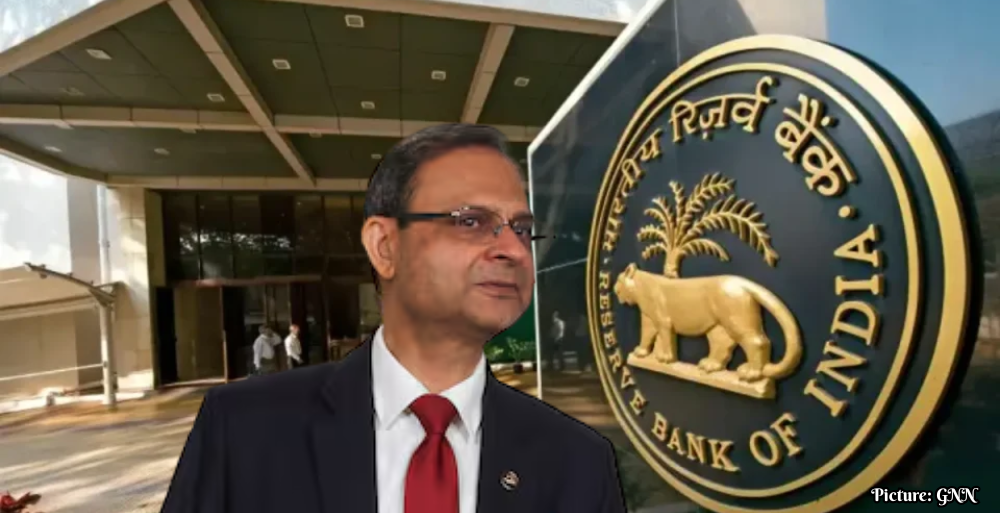
The Reserve Bank of India has approved a historic dividend of ₹2.87 lakh crore for the financial year 2025-26, providing a substantial boost to the central government’s fiscal resources as it navigates economic challenges.
NEW DELHI, May 22, 2026 — The Reserve Bank of India (RBI) announced on May 22 that it has transferred a record ₹2.87 lakh crore (approximately $34.3 billion) to the central government’s treasury for the financial year 2025-26. This decision was ratified by the RBI’s Central Board, which confirmed that the surplus transfer amounted to ₹2,86,588.46 crore.
This remarkable dividend reflects a significant expansion of the RBI’s balance sheet, which has grown by 20.61% to reach ₹91.97 lakh crore. The increase is attributed to various monetary policy measures, including liquidity adjustments and foreign exchange interventions, undertaken by the RBI to stabilize the economy during previous fiscal periods.
Importance of the Dividend Transfer
The transfer of surplus funds from the RBI plays a critical role in the government’s non-tax revenue, which is projected to be ₹6.66 lakh crore in the upcoming fiscal year. This infusion of cash is expected to help the government manage its fiscal deficit, fund various social welfare initiatives, and support infrastructure development projects, which are crucial for stimulating economic growth.
The decision to lower the RBI’s contingency risk buffer from 7.5% to 6.5% of its balance sheet also indicates a strategic maneuver by the central bank. The contingency risk buffer is a reserve maintained by the RBI to safeguard against financial volatility and unexpected economic shocks. A reduced buffer suggests that the RBI is confident in its financial stability, thereby allowing for increased support to the government’s fiscal strategy.
Context and Historical Background
The RBI’s dividend transfer comes at a time when the Indian economy is grappling with various challenges, including inflationary pressures and the lingering effects of global economic uncertainties. Historically, the RBI has periodically transferred surplus funds to the central government, often to bolster fiscal revenues during challenging economic periods. For instance, in the fiscal year 2021-22, the RBI transferred ₹99,122 crore, reflecting a more cautious approach in light of economic conditions at that time.
The current dividend transfer is the largest in the RBI’s history, highlighting the central bank’s robust financial position and its ability to support government initiatives. However, it also raises questions about the sustainability of such high dividend payouts in the long term. Analysts warn that an overreliance on RBI dividends could limit the central bank’s capacity to respond effectively to future economic downturns and financial instability.
Reactions from Economic Experts
Economic analysts have expressed mixed sentiments regarding the RBI’s decision. Some view the significant dividend as a positive indication of the central bank’s financial health and its readiness to assist government projects. Others, however, have raised concerns about the potential risks associated with reducing the contingency risk buffer, suggesting that it may expose the RBI to greater vulnerabilities in times of economic volatility.
One expert commented, “While this dividend is a remarkable boon for the government’s finances, it also underscores the need for prudent fiscal management. The government must ensure that it utilizes this funding effectively and sustainably to avoid future fiscal pitfalls.”
Implications for Economic Policy
The unprecedented dividend transfer is expected to have wide-ranging implications for India’s economic policy. As the government prepares to allocate these funds, attention will likely focus on how the revenue is distributed across various sectors, including health care, education, and infrastructure. The upcoming budget will be closely examined to assess the impact of this influx on key areas crucial for driving economic recovery and growth.
Moreover, the government will need to balance its immediate financial needs with long-term fiscal sustainability. As it embarks on spending initiatives funded by the RBI’s surplus, policymakers must remain vigilant about maintaining fiscal discipline to avoid exacerbating debt levels or inflationary pressures.
Looking Ahead
As the government gears up to utilize the funds from the RBI, the effectiveness of this financial support will be scrutinized in terms of its impact on economic growth and public welfare. With the potential for significant spending in areas that can generate employment and stimulate economic activity, the success of this initiative could be pivotal for the government’s economic agenda.
In conclusion, the RBI’s approval of a historic dividend transfer to the central government marks a significant moment in India’s fiscal landscape. While it provides immediate financial relief, the long-term ramifications of this decision will necessitate careful consideration by policymakers and economic stakeholders alike, as they navigate the complexities of economic recovery in a challenging global environment.