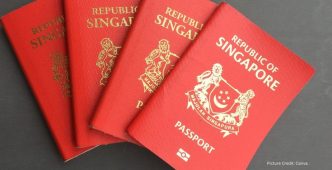
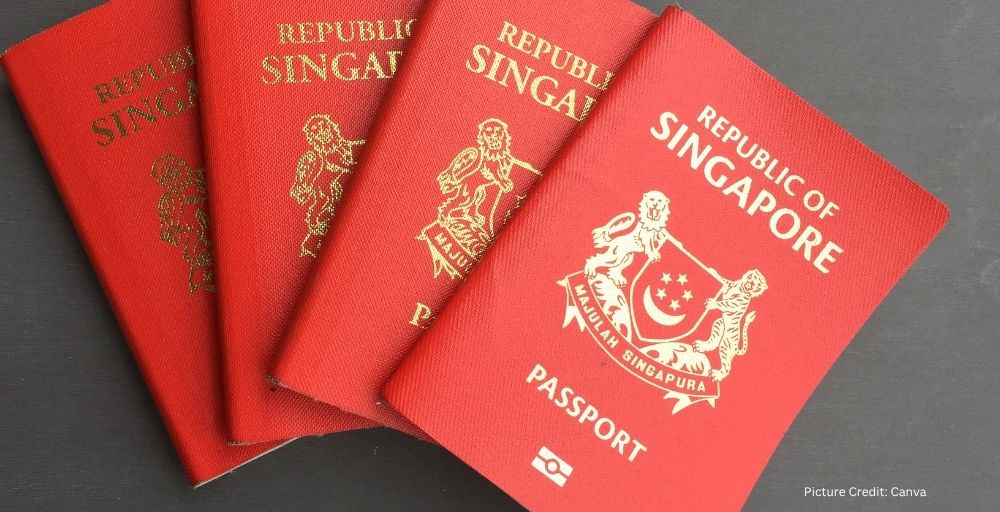
In 2026, Singapore has solidified its position as the holder of the world’s most powerful passport, offering its citizens access to 192 destinations without the need for a visa, underscoring significant disparities in global mobility.
In a comprehensive ranking released by the Henley Passport Index, Singapore has topped the list for the most powerful passport in the world for 2026, granting its citizens visa-free access to an impressive 192 destinations. This ranking serves as a critical reflection of the interconnectedness of diplomatic relations, national stability, and the freedom of movement afforded to citizens around the globe.
Understanding the Henley Passport Index
The Henley Passport Index evaluates passports based on the number of destinations their holders can enter without requiring a visa. The 2026 rankings reveal a stark disparity in global mobility, with the top passports affording access to nearly five times more countries than the weakest passports. This significant gap highlights how factors such as geography, international diplomacy, and internal stability shape the extent of global mobility for different nationalities.
Following Singapore, the rankings indicate a three-way tie for the second-most powerful passports, with Japan, South Korea, and the United Arab Emirates (UAE) each offering their citizens access to 187 destinations without the need for a visa. While the UAE stands out as the strongest passport from outside East or Southeast Asia, it is important to note that Emirati citizens do not enjoy visa-free access to the United States, a critical destination for many international travelers.
Top-Ranked Passports and Their Implications
The top ten passports in the Henley Passport Index for 2026 are as follows:
- 1. Singapore – 192 destinations
- 2. Japan – 187 destinations
- 2. South Korea – 187 destinations
- 2. UAE – 187 destinations
- 5. Norway – 185 destinations
- 5. Switzerland – 185 destinations
- 7. European Union average – 183 destinations
- 7. Malaysia – 183 destinations
- 7. United Kingdom – 183 destinations
- 10. Australia – 182 destinations
European nations continue to hold strong positions within the rankings, with Norway and Switzerland both providing access to 185 destinations. The European Union, with its unified passport system, exhibits a robust mobility framework, averaging 183 destinations. However, the individual rankings of EU member states can vary significantly, with countries like Bulgaria and Romania offering access to only 177 destinations, while Sweden boasts 186.
The Weakest Passports: A Sign of Global Challenges
At the other end of the spectrum, the weakest passports reveal a concerning narrative of restricted mobility. The bottom ten passports on the Henley Passport Index offer their holders access to fewer than 50 destinations, reflecting the challenges faced by citizens of countries experiencing political instability, economic hardship, or conflict. The rankings for the weakest passports are as follows:
- 1. Afghanistan – 23 destinations
- 2. Syria – 26 destinations
- 3. Iraq – 29 destinations
- 4. Pakistan – 31 destinations
- 4. Yemen – 31 destinations
- 6. Somalia – 32 destinations
- 7. Nepal – 35 destinations
- 7. North Korea – 35 destinations
- 9. Bangladesh – 36 destinations
- 10. Eritrea – 38 destinations
Countries such as Afghanistan, Syria, and Iraq provide their citizens with access to fewer than 30 destinations, underscoring broader issues such as high emigration rates, ongoing conflicts, and political instability. For example, Afghanistan ranks at the bottom of the index, allowing access to only 23 destinations, a situation that has been exacerbated by decades of conflict and turmoil.
Global Inequality Reflected in Passport Power
The stark contrast between the top and bottom rankings illustrates more than just travel convenience; it serves as a reminder of global inequality. The ability to travel freely often correlates with a nation’s overall political and economic stability. African, Middle Eastern, and South Asian passports typically rank lower than their European or North American counterparts. Even nations that perform relatively well, such as Malaysia and the UAE, still encounter restrictions when it comes to accessing major global destinations, particularly the United States, which remains a significant point of interest for many travelers.
This analysis by the Henley Passport Index sheds light on the complexities surrounding international mobility and the implications of passport power as a reflection of a nation’s global standing. As countries strive to enhance their diplomatic relationships and improve their international status, these rankings are likely to evolve, affecting millions of travelers worldwide.
A Broader Perspective on Global Mobility
In addition to the rankings, the data also highlights the impact of geopolitical relationships on global mobility. Nations that foster strong diplomatic ties tend to enjoy more favorable visa agreements, thus enhancing their citizens’ ability to travel. Conversely, countries that face isolation or conflict often find their citizens lacking access to many destinations, which can have profound implications for economic opportunity and cultural exchange.
For those interested in further exploring the dynamics of passport power and global mobility, the Voronoi app provides a platform for accessing data-driven charts and visualizations from various trusted sources, offering insights into how passports influence the movement of people in an increasingly interconnected world.