Recent economic data reveals a surge in inflation and gas prices, raising concerns among American consumers while showing mixed signals in consumer confidence and job market stability.
As the United States grapples with economic pressures stemming from international conflicts, particularly the ongoing war in Iran, key indicators suggest a significant rise in inflation and consumer prices. According to a report from the Commerce Department released on May 2, 2026, the personal consumption expenditures (PCE) price index, a crucial measure of inflation, rose by 0.7% in March compared to February, marking a notable increase in the cost of living. This figure represents a 3.5% increase from the same month a year prior, the highest annual rise observed in nearly three years.
The core inflation rate, which excludes the often-volatile food and energy sectors, also saw a rise of 0.3% month-over-month, bringing the annual rate to 3.2%, above the previous month’s 3%. These figures underscore the inflationary pressures consumers are currently facing, heavily influenced by rising energy costs.
Gas Prices Reach Multi-Year Highs
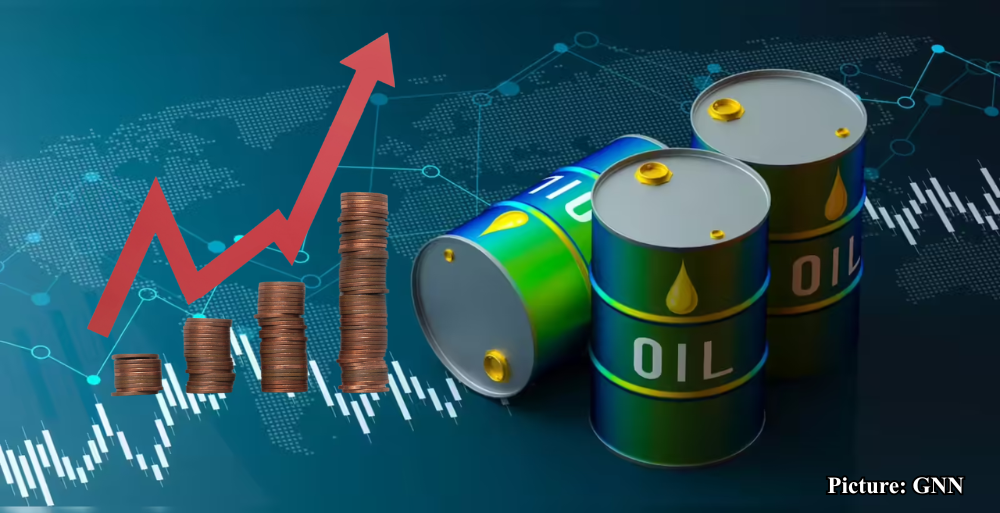
Gasoline prices have escalated significantly, recently achieving new multi-year highs. The average price for a gallon of regular gasoline surged to $4.39, following its largest overnight increase since the onset of the Iran conflict. This escalation in fuel prices reflects broader economic concerns and has contributed to heightened anxiety among consumers, who are increasingly aware of the financial strain associated with everyday expenses. The rise in gas prices has been exacerbated by the geopolitical situation, particularly the conflict in Iran, which has disrupted oil supplies and contributed to volatility in global energy markets.
U.S. Economic Growth and Consumer Confidence
Despite these challenges, the U.S. economy demonstrated resilience in early 2026, with a reported growth of 2% from January through March. This growth comes in the aftermath of a federal government shutdown that lasted 43 days and had previously stymied economic progress. The Commerce Department noted that this growth was bolstered by a significant increase in federal spending and investment, which grew at an annual rate of 9.3%, contributing over half a percentage point to overall economic expansion.
However, the outlook remains uncertain as geopolitical tensions, particularly related to the war in Iran, continue to cast a shadow over economic stability. Consumer confidence, as measured by the Conference Board, edged up slightly in April, rising to 92.8 from 92.2 in March. This modest increase reflects a blend of optimism and concern, as sentiment remains close to its lowest levels since the COVID-19 pandemic. Respondents’ comments indicated a heightened awareness of rising prices, especially in the context of fuel and energy costs. The national average for a gallon of gas has increased by 30 cents in just one week, further complicating consumer sentiment.
Housing Market and Unemployment Trends
In the housing market, the average long-term mortgage rate has also increased, rising to 6.3% from 6.23% the previous week. This marks the end of a three-week decline in mortgage rates, presenting challenges for potential homebuyers during the crucial spring buying season. The current rate remains lower than the 6.76% average from one year ago, but the recent increases could dampen the enthusiasm of prospective buyers. Rising borrowing costs may limit the purchasing power of buyers, especially first-time homeowners who are particularly sensitive to interest rate fluctuations.
In contrast to rising inflation and borrowing costs, the U.S. job market appears to be robust. Weekly unemployment claims fell to their lowest levels in over 50 years, with 189,000 Americans filing for unemployment benefits for the week ending April 25, a drop of 26,000 from the previous week’s 215,000. This figure is significantly below analysts’ expectations of 214,000 new applications, indicating a strong labor market despite external economic pressures. The decrease in claims suggests that businesses are retaining workers even as they face rising costs, a sign of potential economic resilience.
Market Performance Amidst Rising Costs
The stock market has shown resilience as well, with major indices, including the S&P 500, Dow Jones Industrial Average, and Nasdaq composite, closing higher at the end of the week, buoyed by strong earnings from technology companies. However, oil prices continue to rise, underscoring ongoing inflation concerns. The volatility in oil prices, driven by geopolitical factors, adds a layer of complexity to the economic landscape. Investors are watching closely as corporate earnings reports are released, which will provide further insight into how companies are navigating these challenges.
As the U.S. navigates these complex economic dynamics, the interplay between inflationary pressures, consumer confidence, and global events will remain pivotal in shaping the financial landscape. Policymakers and economists will closely monitor these developments as they seek to address the challenges posed by rising prices and economic uncertainty. The Federal Reserve is likely to consider these factors in its monetary policy decisions, as inflationary pressures could delay any potential interest rate cuts intended to stimulate economic growth. The ongoing situation in Iran, alongside domestic economic indicators, will likely play a critical role in shaping the economic outlook for the remainder of 2026.