
Europe’s airport industry has issued a warning that jet fuel shortages could arise within three weeks, potentially disrupting summer travel and adversely affecting the European economy.
Brussels, Belgium — The European airport industry has raised serious concerns regarding an impending jet fuel shortage that could materialize within the next three weeks. This potential crisis threatens to disrupt summer travel plans and could have significant repercussions for the European economy. The warning was issued on Thursday by ACI Europe, an organization representing airports across the European Union, which highlighted the urgent need for action to avert a supply crisis.
In a letter directed to Apostolos Tzitzikostas, the EU Commissioner for Sustainable Transport and Tourism, ACI Europe outlined the dire economic implications that a fuel supply crunch would have on airport operations and air connectivity. The organization stated, “At this stage, we understand that if the passage through the Strait of Hormuz does not resume in any significant and stable way within the next three weeks, systemic jet fuel shortage is set to become a reality for the EU.” This warning underscores the critical link between geopolitical stability and energy supply chains.
Economic Impact of Jet Fuel Shortages
The timing of this potential fuel shortage is particularly troubling, as it coincides with the peak summer travel season. During this period, many EU member states depend heavily on the economic stimulation provided by increased air travel. According to ACI Europe, air connectivity contributes approximately €851 billion (nearly $1 trillion) to the GDP of European economies and supports around 14 million jobs across the continent. The organization emphasized that the EU must prioritize the availability and stability of jet fuel as part of its broader response to the ongoing oil and energy crisis exacerbated by the conflict in the Middle East.
“As a result, it is essential that the EU prioritizes the availability and stable supply of jet fuel as part of its response to the oil and energy crisis triggered by the conflict in the Middle East,” the letter continued. This statement reflects the urgent need for concerted efforts to manage energy supplies in the face of rising fuel prices and supply disruptions.
Geopolitical Context and Fuel Price Surge
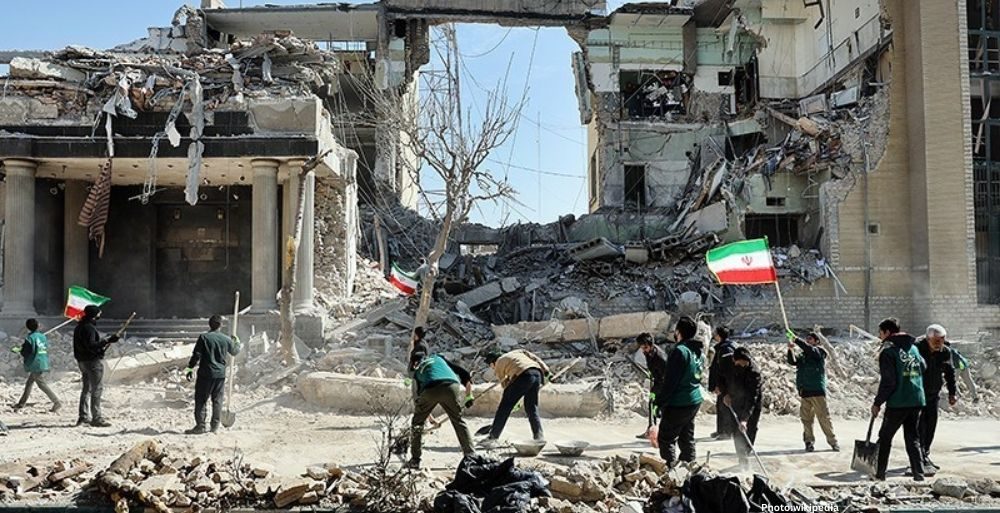
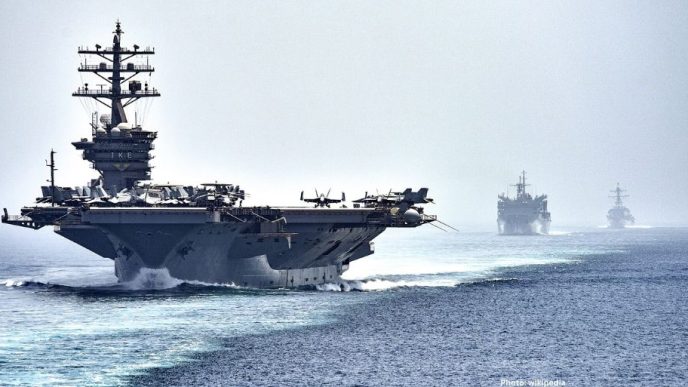
The ongoing geopolitical tensions in the Middle East, particularly the conflict involving the United States and Israel against Iran, have severely impacted the flow of oil through the Strait of Hormuz, a crucial maritime passage that accounts for approximately 20% of the world’s oil supply. Since hostilities commenced on February 28, traffic through this vital route has effectively halted, leading to a sharp increase in global oil prices. By March, oil prices had surged above $100 per barrel, significantly driving up energy costs across various sectors, including aviation.
The International Air Transport Association (IATA) has reported that airlines are grappling with soaring jet fuel prices, which saw a staggering increase of 103% month-on-month as of March. In the United States, the price of jet fuel nearly doubled, rising from $2.50 per gallon on February 27 to $4.88 per gallon by April 2. This dramatic increase in fuel costs places immense pressure on airlines, which are already navigating a challenging economic landscape.
In a bid to address the situation, a temporary ceasefire agreement was reached between the U.S. and Iran on Tuesday, allowing limited passage of vessels through the Strait of Hormuz. However, despite this diplomatic progress, the strategic passageway remains largely closed, and the long-term implications for oil supply and pricing continue to loom large over the aviation industry.
Airlines’ Response to Rising Costs
In light of the jet fuel supply challenges, airlines are beginning to implement measures aimed at mitigating rising operational costs. Carsten Spohr, CEO of Lufthansa, indicated in a recent communication to employees that the airline is forming teams to devise contingency plans in response to the escalating crisis. These plans could potentially involve grounding certain aircraft to manage expenses effectively and ensure operational viability.
Similarly, Scandinavian airline SAS has announced the cancellation of 1,000 flights in April as a direct response to the rising costs associated with jet fuel. Ryanair’s CEO Michael O’Leary has also indicated that if the fuel shortages persist, the airline may be forced to consider further cancellations and capacity reductions over the summer months, reflecting a broader trend within the industry as airlines grapple with the dual challenges of escalating fuel prices and maintaining sustainable operations.
Overall, the looming jet fuel shortages pose immediate operational challenges for airlines and threaten broader economic stability within the European Union. With the summer travel season fast approaching, stakeholders across the aviation sector are closely monitoring developments in fuel supply and pricing. The implications could reverberate throughout the economy, affecting not only airlines but also the myriad of businesses that rely on air travel for commerce and tourism.
Conclusion
The warning issued by ACI Europe serves as a stark reminder of the interconnectedness of global events, energy supplies, and economic stability. As the EU grapples with the potential fallout from an impending jet fuel shortage, the focus will need to remain on ensuring a resilient and stable supply chain to support the aviation sector and, by extension, the broader economy. Stakeholders are urged to remain vigilant and proactive in addressing these challenges as they unfold in the coming weeks.