
Congressman Ro Khanna of California is set to introduce a bill aimed at halting gasoline exports during price spikes, an initiative sparked by rising fuel costs linked to the ongoing conflict in Iran.
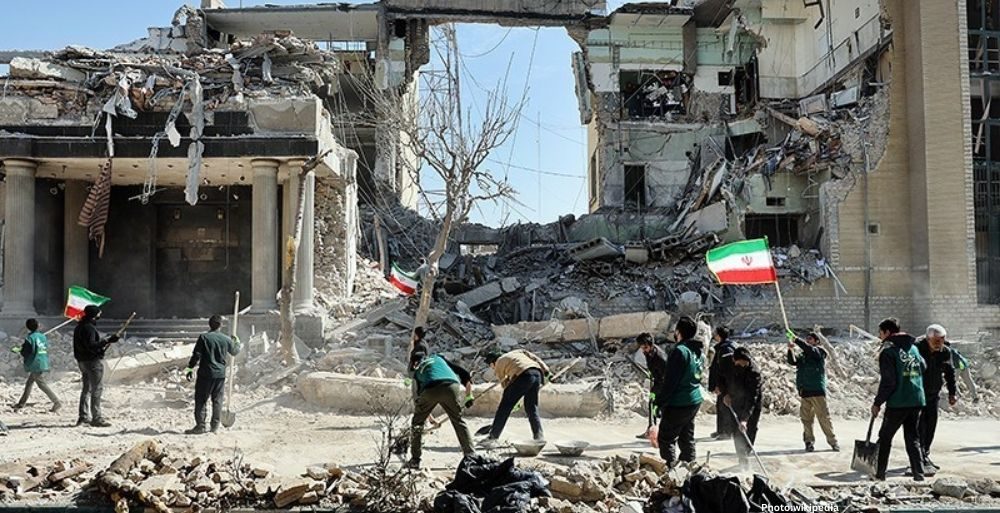
On Tuesday, Congressman Ro Khanna (D-CA) plans to introduce legislation that would prohibit the export of gasoline during periods of significantly high domestic fuel prices. This proposal comes as the United States grapples with soaring gas prices, which many attribute to the ongoing military conflict in Iran.
In a recent interview with the Guardian, Khanna expressed the urgency of reforming the nation’s energy policy, stating, “The country is crying out for a new energy policy that doesn’t have us subject to the whims of the profits of big oil companies.” The backdrop to this legislative push is marked by the International Energy Agency’s report highlighting that the conflict in Iran has triggered unprecedented disruptions in global fuel supply, with crude oil prices exceeding $100 per barrel this week. As a result, gasoline prices in the U.S. have surged, with average costs surpassing $4 per gallon.
Proposed Legislation Details
Khanna’s proposed legislation seeks to maintain domestic gasoline supplies in the U.S. by stopping exports whenever national gas prices reach an average of $3.12 per gallon or higher. This measure aims to alleviate the financial burden on American consumers, who are currently facing rising fuel costs.
Historically, the U.S. emerged as a net exporter of gasoline in the 2010s and became the world’s largest exporter of motor gasoline by 2024. The implications of Khanna’s bill could be significant, particularly as it intersects with broader debates surrounding energy policy and national security.
Political Landscape and Challenges
Despite the pressing nature of the issue, Khanna acknowledges that the likelihood of his proposal passing through Congress is slim, primarily due to Republican opposition, which he suggests is influenced by the interests of major oil companies. He stated, “Republicans are unlikely to contradict the big oil companies,” underscoring the partisan divide on energy issues.
Khanna’s efforts not only aim to respond to immediate economic concerns but also serve to illuminate the broader implications of the Iran conflict, which he argues is not only deadly for those abroad but also costly for Americans at home. “The war in Iran has really created an energy shock in America, and this is the time for us to point out why wars of choice are morally bad, but also why they hurt Americans who are struggling to pay the bills,” Khanna remarked.
Impact on Oil Companies and Domestic Economy
The ongoing fuel price shocks have significantly impacted American consumers while simultaneously benefiting large oil companies. Analysts from Rystad Energy estimate that domestic fossil fuel producers could see an increase of $63 billion in profits as a direct result of the conflict. Khanna has characterized this situation as “profiteering” by oil companies, leading him to previously introduce legislation, alongside Senator Sheldon Whitehouse (D-RI), that seeks to impose a windfall tax on major fossil fuel companies when their profits surge. The revenue generated from this tax would fund rebates for American taxpayers, helping to offset rising gasoline costs.
Khanna emphasized the importance of providing relief to consumers, suggesting that refund checks could go to individuals facing high prices at the pump, noting that gasoline prices in California have reached as high as $6.50 per gallon.
Long-Term Energy Strategy
Along with his proposed measures, Khanna advocates for a robust investment in renewable energy sources. He argues that expanding clean energy options could shield Americans from future energy shocks caused by geopolitical conflicts while also addressing climate change. He stated, “We need to use this moment to call for renewable energy as energy security. This shows why we need to invest in solar and wind and geothermal and battery storage and electric vehicles.”
As the global energy landscape shifts in response to the Iran conflict, experts suggest that countries, particularly China, may benefit by advancing their clean technology sectors. Khanna cautioned that by focusing on a fossil fuel-dependent economy, the U.S. risks losing ground in the energy revolution to nations like China.
Public Sentiment and Future Directions
Khanna’s remarks also reflect a broader sentiment among the American public regarding the ongoing conflict in Iran. He noted that many Americans are opposed to further military engagement, preferring to see investments in domestic jobs and peace. “Americans don’t want another costly war. They want good jobs at home and peace abroad,” Khanna said, emphasizing the need to redirect resources towards American manufacturing rather than military expenditures.
The introduction of this legislation by Khanna represents a critical moment in the ongoing dialogue about energy policy, economic stability, and the moral considerations surrounding military actions abroad. As Congress deliberates on these issues, the intersection of domestic energy needs and international conflicts will likely remain a focal point in the political discourse.