A recent archaeological excavation at the Al-Qalaye site in Egypt has unveiled one of the largest known Christian monasteries, dating back to the 5th century. This discovery offers significant insights into early Coptic art, architecture, and monastic life in a region that underwent a profound religious transformation following the rise of Christianity.
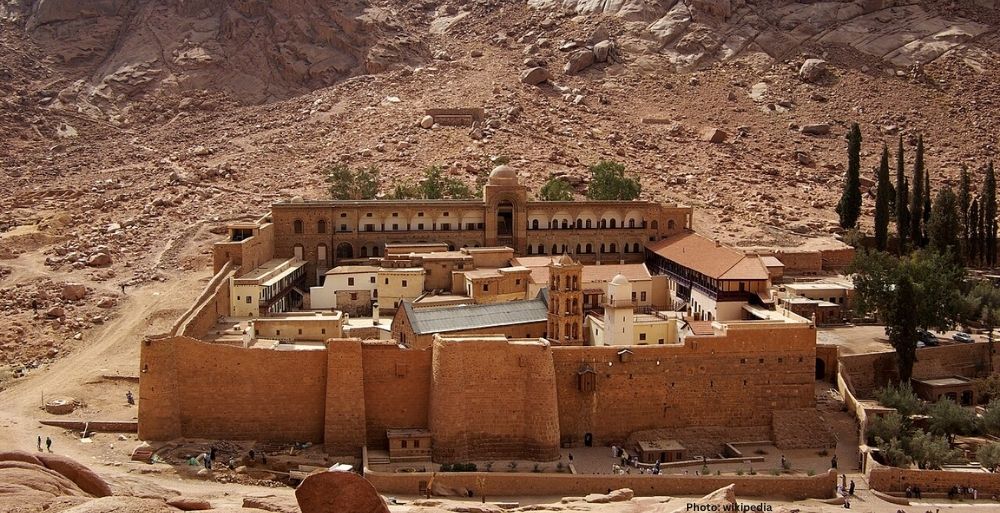
HOSH ISSA, EGYPT — Archaeologists have discovered what is believed to be one of the largest Christian monasteries ever unearthed, located at the Al-Qalaye archaeological site in Hosh Issa, Egypt. Dating back to the 5th century, this significant find enhances the understanding of Coptic Christian history and culture and sheds light on the monastic practices that flourished during this transformative era.
The excavation, led by archaeologist Samir Rizq Abdel-Hafez, revealed a complex featuring thirteen rooms segmented by architectural arches. These spaces appear to have served various functions, including individual and communal living quarters for monks, kitchens, and larger halls used for teaching and hospitality. Notably, a sacred prayer room, marked by a limestone cross, underscores the religious significance of the site.
Historical Context of Christianity in Egypt
The introduction of Christianity to Egypt can be traced back to around 49 C.E., when Saint Mark the Evangelist is believed to have brought the faith to the region. Over the following centuries, Christianity experienced significant growth, particularly under the guidance of Bishop Demetrius of Alexandria, who led the community during a time of both expansion and persecution. The Edict of Milan in 312 C.E., issued by Emperor Constantine, marked a pivotal moment for Christians as it established Christianity as the state religion of the Roman Empire.
By the 5th century, Egypt had emerged as a center for Coptic art and culture, despite facing challenges such as theological disputes that led to a schism between Coptic Christians and other branches of Christianity, including the Roman Catholic Church and the Greek Orthodox Church. This schism was rooted in differing theological interpretations and ecclesiastical authority claims, yet Coptic art and culture continued to thrive, as evidenced by the rich artifacts uncovered at the Al-Qalaye site.
Archaeological Findings at Al-Qalaye
The recent excavation has unearthed a wealth of artifacts that provide a glimpse into the daily lives of the monks who inhabited the monastery. Among the findings are pottery vessels, ceramic fragments, and remnants of Coptic art, including vibrant murals depicting monks framed by intricate braided patterns in shades of red, black, and white. These artworks reflect a deep connection to the natural world, featuring images of gazelles surrounded by lush foliage and distinctive eight-petaled flowers.
One of the most significant discoveries is a spacious hall adorned with stone benches, likely used for receiving guests, indicating that hospitality was an essential aspect of monastic life. The presence of animal bones and pottery vessels suggests a communal lifestyle that included shared meals and engagement with visitors. The archaeological team also noticed that the monastery had undergone several structural additions and modifications over time, highlighting its evolution.
Further exploration of the site revealed architectural features, including marble columns and their bases, indicative of the evolving style of Coptic architecture during this period. Hisham El-Leithy, Secretary General of the Supreme Council of Antiquities, emphasized the importance of this monastery in providing deeper insights into Coptic art and architecture, which are crucial for understanding the historical context of Christianity in Egypt.
Continuing Discoveries and Implications for Coptic Heritage
Earlier archaeological missions at the Al-Qalaye site had already indicated the presence of clusters of monastic cells and service buildings, hinting at the bustling activity that characterized the monastery during its prime. The ongoing excavation efforts are expected to yield additional insights into early Coptic culture and the evolution of monastic life in Egypt. Such discoveries are vital for understanding the role of monasteries as centers of learning and community in a period marked by profound religious transformation.
The discovery at Al-Qalaye is part of a larger narrative that includes previous findings at sites such as Ain al-Kharab, where remnants of churches, cemeteries, and residential buildings were uncovered. These sites further illuminate the transition from paganism to Christianity in the region and the complex interplay of religious and cultural dynamics at work. As researchers continue to examine these sites, the information gathered will contribute to a broader understanding of the historical and cultural landscape of early Christianity in Egypt.
In conclusion, the uncovering of this monastery at Al-Qalaye not only enriches the historical tapestry of Coptic Christianity but also serves as a reminder of the enduring legacy of faith and culture in a land renowned for its ancient civilization. The findings from this site are expected to enhance our knowledge of monastic practices and artistic expressions that flourished during this transformative era in Egyptian history, offering scholars and enthusiasts alike a deeper appreciation for the rich heritage of Coptic Christianity.