A recent study conducted by Yale researchers suggests that music-making may serve as a therapeutic intervention for individuals experiencing psychosis, particularly in alleviating symptoms such as hallucinations and paranoia.
NEW HAVEN, CT — A groundbreaking study conducted by researchers at Yale University has shed light on the potential of music-making as a therapeutic intervention for individuals grappling with psychosis. Published on April 9 in the journal Psychosis, the research underscores how musical engagement can help those with psychotic disorders reconnect with their environment and reduce distressing symptoms.
Dr. Philip Corlett, an associate professor of psychiatry at the Yale School of Medicine and the senior author of the study, leads this innovative inquiry. He emphasizes the connection between music and the brain’s predictive coding mechanism, a neural process that allows individuals to anticipate sensory signals based on prior experiences. This mechanism is crucial for everyday functioning but can lead to hallucinations and delusions when predictions become overly strong, as is often the case in psychosis.
Background and Motivation
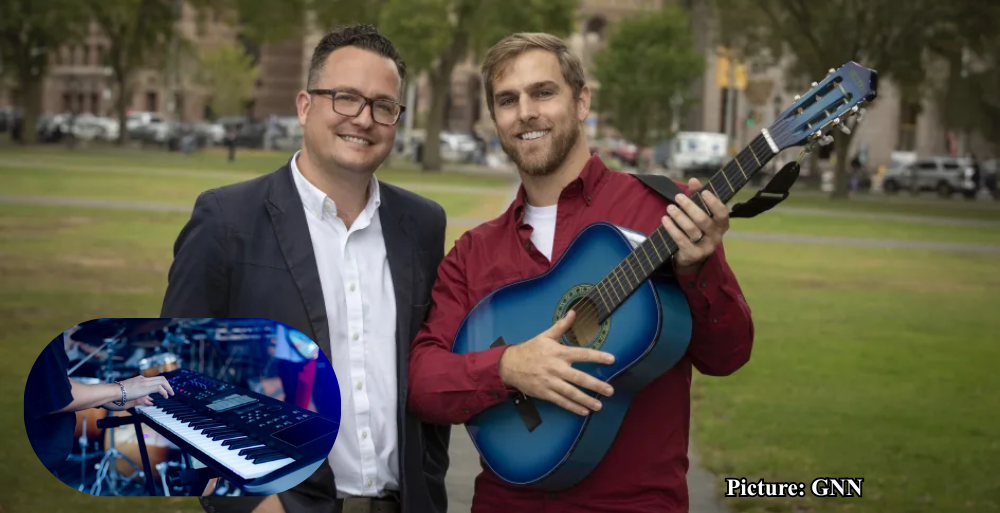
Corlett’s interest in the therapeutic potential of music was piqued by his observations of patients at the Connecticut Mental Health Center. He noted significant improvements in behavior and emotional expression among some patients during music therapy sessions. Partnering with Adam Christoferson, a music facilitator and founder of the organization Musical Intervention, Corlett’s team aimed to systematically assess the effects of song-making on symptoms of psychotic illnesses.
The study recruited 20 participants aged 18 to 65, all diagnosed with schizophrenia or who had experienced distressing auditory hallucinations at least once a week. Participants were either referred by their clinicians or self-registered for the study. Each individual underwent an initial assessment that included psychometric questionnaires designed to evaluate their tendencies toward hallucinations and paranoia.
Study Design and Implementation
Over the course of six weeks, participants engaged in weekly group sessions, each lasting two hours, where they collaborated in writing and recording their own songs with assistance from professional musicians. They were provided with essential recording equipment, including microphones, guitars, keyboards, and drums, and were encouraged to express their creativity through songwriting and lyrical composition. This structured yet flexible approach allowed participants to explore their thoughts and emotions in a supportive environment.
At the conclusion of the program, participants completed the same set of psychometric questionnaires and participated in post-session interviews to assess any changes in their symptoms and overall well-being. While the study did not find a uniform decrease in hallucinations among all participants, those with less severe hallucinations reported a notable reduction in paranoia following the music-making sessions.
Key Findings
The researchers observed a significant shift in language patterns among participants, which serves as an important indicator of social connection and psychological well-being. Previous studies have shown that individuals experiencing severe psychosis often use first-person pronouns (such as ‘I’, ‘me’, ‘mine’) more frequently than plural pronouns (like ‘we’, ‘us’, ‘ours’), reflecting social isolation and distress. Post-intervention assessments indicated a decrease in first-person pronoun usage and an increase in plural pronouns, suggesting improved social interaction and emotional expression among participants.
Deanna Greco, a PhD student in Corlett’s lab and the study’s first author, highlighted the importance of group music activities in fostering a sense of community among individuals who often struggle with social isolation, paranoid thoughts, and stigma. “The group dynamic appears to be a valuable aspect of the intervention,” Greco stated, underscoring the role of collaborative music-making in enhancing participants’ emotional well-being.
Christoferson, who has facilitated similar music groups for over 25 years, noted that the findings validate the effectiveness of the Musical Intervention approach. He emphasized how music-making provides participants with a renewed sense of identity and a platform for emotional expression, which can significantly impact their quality of life.
Implications for Treatment
Dr. Corlett acknowledges the traditional treatment protocols for psychosis, which often involve the prescription of antipsychotic medications that can lead to adverse side effects, including difficulty concentrating, lack of motivation, and lethargy. In contrast, the music therapy approach not only circumvents these negative effects but may also yield results that are comparable or even superior to conventional treatments. “Our approach may be outside of the purview of clinical medicine,” Corlett noted, “but the study showed that we can conduct rigorous scientific research on music therapy, demonstrating its potential efficacy.”
As a follow-up to this study, Corlett and his team plan to explore how music interventions may alter brain circuitry. He expressed a strong hypothesis that engaging in music-making could lead to lasting changes in brain function, which merits further investigation.
Broader Context and Future Directions
The implications of this research extend beyond the individual participants; they open new avenues for therapeutic interventions aimed at addressing the complexities of psychotic disorders. By validating the role of music therapy in clinical settings, this study contributes to a growing body of evidence supporting alternative treatment modalities for mental health disorders. The findings may encourage healthcare providers to consider incorporating music therapy into treatment plans for individuals with psychosis, potentially improving patient outcomes and overall quality of life.
In conclusion, the research conducted by Yale’s team marks a significant step toward understanding the therapeutic benefits of music in treating psychosis. As the field continues to evolve, the integration of innovative approaches such as music therapy could redefine the landscape of mental health treatment, offering hope and healing to those affected by these challenging conditions.