The Vishva Hindu Parishad has formally requested a ban on the film ‘Ramayana: Rise of a Legend,’ claiming it misrepresents key elements of the epic.
The Vishva Hindu Parishad (VHP), a prominent Hindu nationalist organization, has demanded the immediate revocation of the censor certificate for the film ‘Ramayana: Rise of a Legend,’ which premiered globally on November 5, 2023. VHP General Secretary Bajrang Lal Bagra has accused the filmmakers of glorifying the character of Ravana, a central figure in the Hindu epic, and misrepresenting essential narratives as outlined in Maharishi Valmiki’s original text.
Allegations of Fabrication and Omission
Bagra’s claims focus on the film’s portrayal of various characters and events that diverge from traditional interpretations of the ‘Ramayana.’ He contends that the filmmakers have fabricated incidents and omitted critical characters, fundamentally altering the epic’s messages. In his statement, Bagra highlighted that notable episodes, such as the redemption of Ahalya and the friendship of Nishadraj Guha, were absent from the film, thereby neglecting significant moral lessons central to Lord Ram’s character.
“Instead of depicting Lord Ram’s mission to eliminate evil as a righteous endeavor to uphold dharma, the film presents it as a personal vendetta driven by revenge for the abduction of his wife, Sita,” Bagra argued. He posited that this framing diminishes the epic’s focus on justice and morality, reducing it to a narrative of personal revenge. This interpretation, he asserts, undermines the spiritual teachings and ethical principles that the ‘Ramayana’ has represented for centuries.
Political Narratives and Cultural Sensitivity
Further complicating the discourse, Bagra accused the filmmakers of constructing a political narrative that portrays Ravana as a liberator of the oppressed, a characterization he deems fundamentally flawed. “Despite his intellect and power, Ravana was driven by arrogance and committed numerous immoral acts against all beings,” he stated, emphasizing that this portrayal contradicts the established moral framework of the ‘Ramayana’ recognized in various renditions across cultures and eras.
Bagra also expressed that the film has deeply hurt the sentiments of millions of Hindus who hold the epic in reverence, stating, “The film’s narrative choices represent an attack on the ethical foundations that govern societal norms and values.” He pointed out that the representation of such a revered character as Ravana in a positive light could prove incendiary, igniting tensions within Hindu communities.
Public Response and Broader Cultural Implications
The VHP’s demands echo broader cultural concerns regarding the adaptation of sacred texts in contemporary media. Bagra cautioned that the film’s content could incite social unrest, reflecting a heightened sensitivity around the portrayal of religious narratives in popular culture. The organization insists that society will not tolerate manipulative representations of revered figures and narratives that resonate deeply with spiritual beliefs. Such sentiments are indicative of a growing trend wherein religious and cultural identities are increasingly tied to public representations in media.
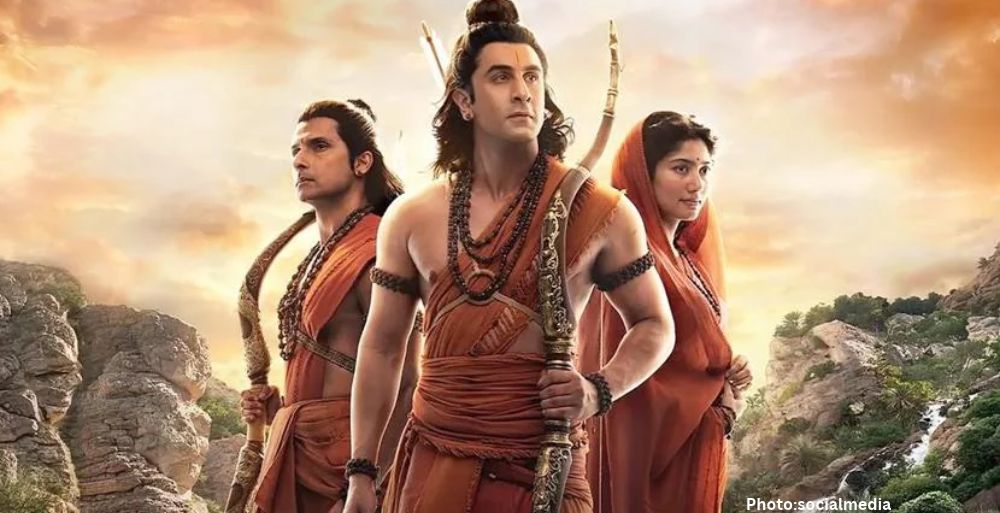
‘Ramayana: Rise of a Legend’ features a notable cast, including Ranbir Kapoor as Lord Ram, Sai Pallavi as Sita, and Yash as Ravana. Directed by Nitesh Tiwari and produced by Namit Malhotra and Yash, this film marks the first part of a planned two-part cinematic adaptation of the epic, aiming to reach a global audience. The film’s production team has aimed to modernize the narrative while engaging contemporary viewers.
Historical Context and Ongoing Debates
The controversy surrounding this film highlights the ongoing intersection of religion and politics in India, particularly regarding how cultural narratives are constructed and contested. The ‘Ramayana’ has long been a cornerstone of Indian culture and spirituality, influencing societal values and political dynamics. The VHP, which has been vocal in its opposition to perceived misrepresentations of Hindu texts, embodies a growing trend of activism centered on the protection of cultural heritage.
As adaptations of ancient texts like the ‘Ramayana’ gain prominence in popular media, filmmakers face the challenge of balancing creative expression with cultural sensitivity. Critics argue that filmmakers must honor the source material while also engaging contemporary audiences. However, as the VHP’s response illustrates, any perceived deviation from established narratives can provoke significant backlash, especially in a diverse nation like India, where multiple interpretations coexist.
Future Prospects and Possible Outcomes
The future of ‘Ramayana: Rise of a Legend’ remains uncertain as the VHP continues its campaign for a ban. The organization’s demands serve as a reminder of the delicate balance between artistic freedom and religious sentiment in an ever-evolving cultural landscape. As the film proceeds through its theatrical run, the discussions it has sparked may have lasting implications for how religious narratives are adapted and received in India. The outcome of this controversy could set a precedent for future adaptations of sacred texts and their reception within communities that hold these narratives dear.
This incident underscores the complexities inherent in adapting culturally significant stories for modern audiences and raises questions about the responsibilities of filmmakers in representing religious and historical narratives. The VHP’s vocal opposition may not only impact the film’s reception but could also influence how future projects approach adaptations of sensitive cultural material.