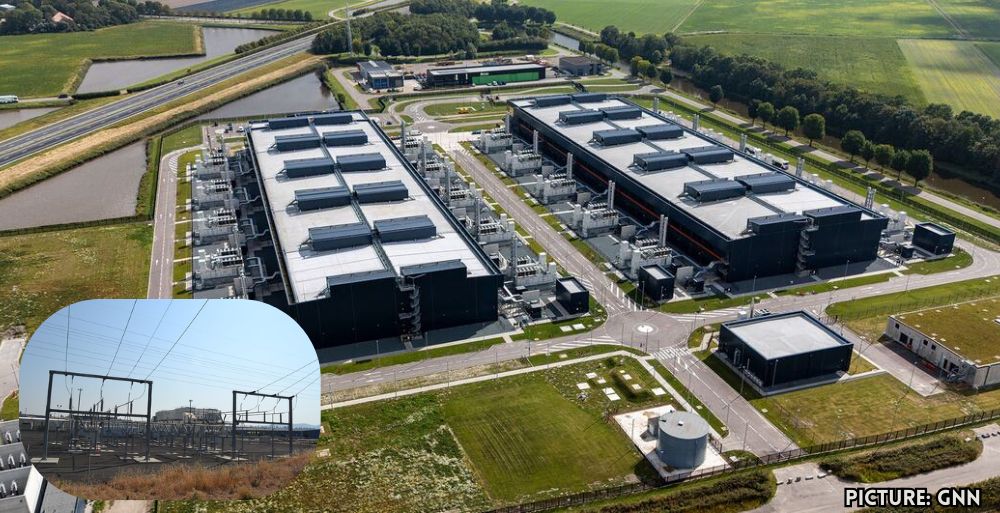
The UN’s Economic Commission for Europe raises concerns over the rapid growth of AI data centres and their potential to overload electricity systems, emphasizing the need for substantial infrastructure investment and regulatory clarity.
GENEVA, Switzerland — The United Nations Economic Commission for Europe (UNECE) has issued a critical report highlighting the alarming pace at which artificial intelligence (AI) data centres are expanding, warning that this growth is outstripping the development of necessary electricity infrastructure. Published on September 8, 2026, the report emphasizes the potential risks to the reliability and resilience of energy systems around the world.
According to the International Energy Agency (IEA), electricity consumption by data centres is projected to nearly double by 2030, increasing from 485 Terawatt-hours (TWh) in 2025 to approximately 950 TWh. This surge in demand is expected to account for about three percent of total global electricity consumption by that year. In stark contrast, global investment in data centre infrastructure is forecasted to increase at a slower rate, from about $800 billion annually in 2026 to $1.8 trillion by 2050, indicating a significant mismatch between consumption growth and necessary infrastructure development.
Strain on Electricity Systems
The UNECE report details how the rapid establishment of AI data centres could lead to severe stress on electricity systems. Overloading these systems may result in voltage oscillations, unintended disconnections, and cascading failures, particularly in regions that heavily rely on renewable energy sources. The demand from AI data centres is characterized by its volatility and potential for sudden spikes, making it extremely challenging for grids—especially those dependent on renewables—to adjust supply in real-time.
Countries are already taking measures to mitigate these risks. Ireland, which has one of the highest concentrations of data centres in the world, has introduced connection restrictions in Dublin, while the Netherlands has imposed limitations on new data centre constructions in certain areas to manage local grid capacities. These actions reflect a growing recognition of the need to balance energy supply with the rapid expansion of data-intensive technologies.
Financial Responsibilities and Regulatory Gaps
One of the significant issues highlighted by the UNECE is the unclear division of financial responsibilities for upgrading grid infrastructure to accommodate the burgeoning demand from data centres. The connection of large data centres often requires substantial infrastructure investments. However, there is currently no consistent framework to determine how costs should be allocated among data centre developers, electricity companies, and consumers. This lack of clear guidelines may result in delays in essential investments in the power grid, potentially exacerbating the existing strain on electricity systems.
Additional regulatory gaps persist concerning the optimal placement of data centres. Many power-intensive facilities tend to cluster in regions that offer favorable connectivity and regulatory conditions, which can concentrate demand in areas where local grids may not possess the capacity to support such loads. The UNECE points out that while environmental regulations are beginning to address broader impacts beyond electricity consumption—such as water usage, emissions, and local resource depletion—those regulations remain fragmented and inconsistent across different jurisdictions.
Moreover, a significant shortfall in real-time data on how large facilities utilize electricity complicates efforts to predict and manage their effects on the grid. Without comprehensive data, it becomes increasingly difficult for regulators and grid operators to develop strategies that ensure the stability and reliability of electricity systems.
Call for Enhanced Regulation and Coordination
The UNECE emphasizes the urgent need for improved regulatory frameworks and enhanced coordination among stakeholders to safeguard the long-term reliability and resilience of energy systems. As the demand for data processing and storage continues to rise globally, the implications of these findings are profound. Policymakers, industry leaders, and regulators must work collaboratively to formulate comprehensive strategies that address the multifaceted challenges posed by AI data centres while ensuring that energy systems are robust and sustainable.
The report underscores that the consequences of inaction could be severe, with overloaded electricity systems potentially leading to widespread disruptions and inefficiencies. As the digital economy expands, the energy landscape must adapt to meet the evolving demands of technology while remaining committed to environmental and operational sustainability.
In conclusion, the UNECE’s report serves as a wake-up call for governments and industry stakeholders worldwide. The rapid growth of AI data centres presents both opportunities and challenges, and responding effectively will require a concerted effort to invest in infrastructure, enhance regulatory frameworks, and prioritize the resilience of energy systems.