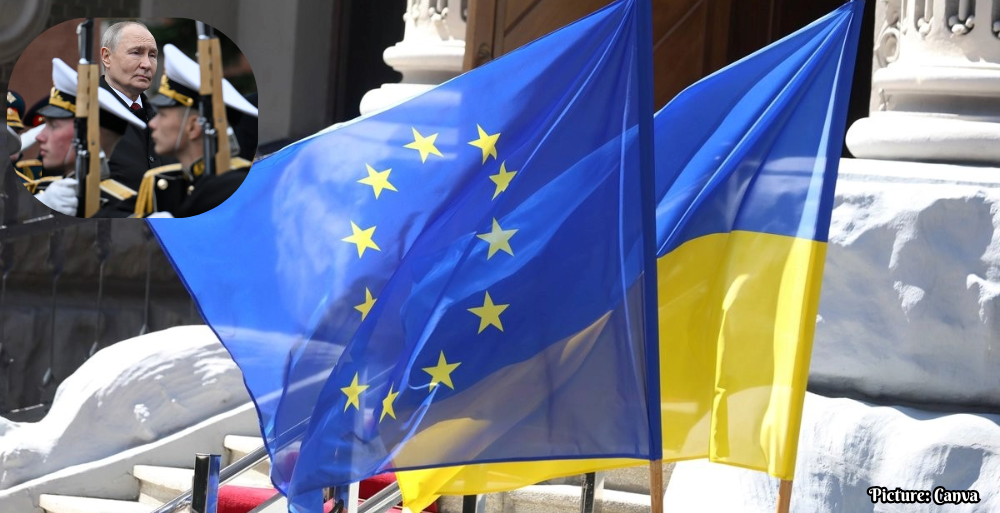
European Commission President Ursula von der Leyen announced that Ukraine will be fully integrated into Europe’s air defense and drone capabilities, emphasizing the shift towards long-term defense cooperation amidst the ongoing conflict with Russia.
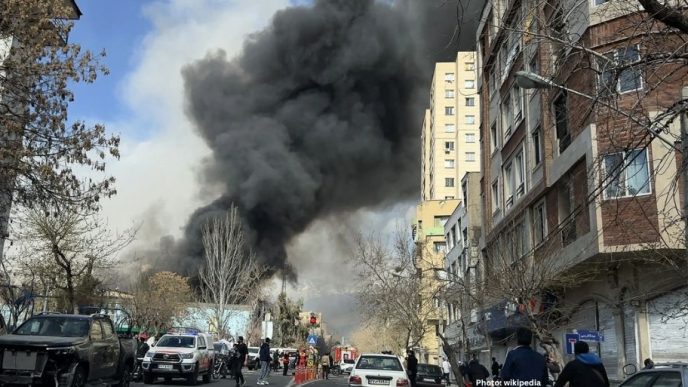
BRUSSELS, Belgium – In a significant development regarding European security policy, European Commission President Ursula von der Leyen stated on Monday that Ukraine will be fully integrated into Europe’s air defense, drone, and counter-drone systems. This announcement highlights a crucial step in Ukraine’s incorporation into the continent’s security architecture, particularly as Russia intensifies its military aggression against Ukraine.
The declaration followed a phone call between von der Leyen and Ukrainian President Volodymyr Zelensky, during which she reaffirmed Europe’s unwavering support for Ukraine. “On the phone with President Zelensky, I reiterated Europe’s full support for Ukraine as Russia doubles down on its brutal war of aggression,” von der Leyen conveyed on X, a social media platform. This statement underscores the urgent nature of the situation as Russia continues its full-scale invasion, posing significant challenges to Ukraine’s sovereignty and security.
Shifting Defense Priorities in Europe
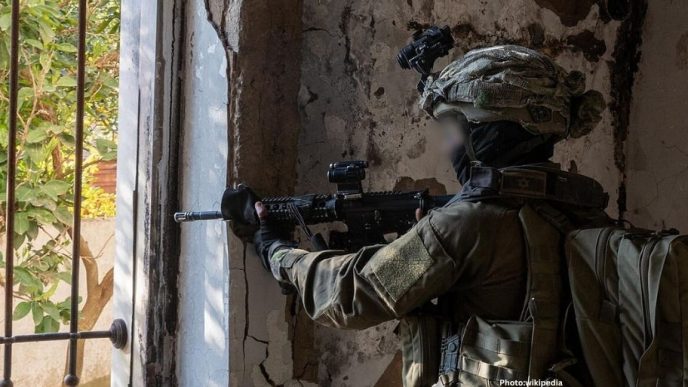
Von der Leyen emphasized that enhancing air defense and drone capabilities has become one of Europe’s most pressing defense priorities. This strategic pivot is heavily influenced by Ukraine’s extensive experience in countering Russian missile and drone attacks throughout the ongoing conflict. The war has not only tested Ukraine’s military resilience but has also provided invaluable insights that can inform European defense strategies.
“And Ukraine will be fully integrated into these efforts,” von der Leyen confirmed, indicating a substantial commitment to include Ukraine’s battlefield experiences within the broader framework of Europe’s collective defense planning. This transition from ad-hoc military support to a structured, long-term defense partnership illustrates a growing recognition of Ukraine’s strategic importance in ensuring the security of Europe.
Financial Support and Economic Implications
To facilitate this integration, von der Leyen announced a substantial financial package known as the Ukraine Support Loan, which is set to deliver €28.3 billion (approximately $32.9 billion) to Ukraine this year. This funding is crucial for sustaining Ukraine’s military operations and bolstering its defenses against ongoing Russian aggression. The provision of this financial assistance reflects not only Europe’s commitment to Ukraine but also the interconnected nature of European security and Ukraine’s stability.
This financial support comes at a time when Ukraine is facing severe economic challenges exacerbated by the conflict. The ability to access substantial funds will enable Ukraine to procure necessary military equipment and support its defense infrastructure amid continued hostilities. Moreover, such financial aid can help stabilize Ukraine’s economy, which is vital for the country’s resilience and recovery in the long term.
Progress Toward EU Membership
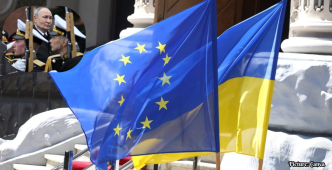
In addition to military cooperation, the discussions between von der Leyen and Zelensky also focused on Ukraine’s aspirations for European Union membership. Von der Leyen noted that the coming weeks will be critical for advancing Ukraine’s accession process, a journey that has gained significant momentum since the onset of the war. The prospect of EU membership represents both a political and symbolic victory for Ukraine, reinforcing its commitment to European values and democratic governance.
Ukrainian Foreign Minister Andrii Sybiha has proposed a more proactive diplomatic approach, advocating for a limited truce in airport or seaport operations as an initial step towards peace. He suggests leveraging sanctions and the freezing of Russian assets to press Moscow into making substantial moves toward peace negotiations. This diplomatic strategy highlights the complexities of the conflict, emphasizing the need for a balanced approach that aligns military preparedness with political solutions.
Implications for European Security Landscape
The integration of Ukraine into European defense initiatives and the ongoing dialogue regarding its potential EU membership signify critical developments for both Ukraine and the overall stability of Europe. As Russia continues to pose a military threat, the collective response from European nations is evolving to meet both immediate and long-term security challenges. The commitment to enhance Ukraine’s defense capabilities and facilitate its journey toward EU membership will likely remain central to diplomatic and military discussions in the forthcoming months.
These developments are likely to have far-reaching implications for the security landscape of Europe. A strengthened Ukrainian military, equipped with advanced air defense systems and drone technologies, could act as a deterrent against further Russian aggression and contribute to regional stability. The evolving nature of European security cooperation reflects a broader understanding that collaborative defense strategies are essential in addressing modern threats.
As Europe navigates these unprecedented challenges, the integration of Ukraine into its defense frameworks signifies a commitment to a united front against aggression. This underscores the importance of solidarity and cooperation among European nations in safeguarding democratic values and territorial integrity. The implications of these strategic decisions will resonate throughout Europe, shaping future policies and alliances in the face of ongoing geopolitical tensions.