The United States faces significant challenges in negotiating peace with Iran as the Islamic Republic withdraws from talks amid ongoing military hostilities, raising questions about the Biden administration’s approach to the conflict.
In a series of developments leading up to the expiration of a two-week ceasefire, the United States has found itself in a precarious position regarding its strategy in Iran. Reports indicate that the White House has been actively trying to engage Iranian officials in talks aimed at de-escalating ongoing hostilities. However, recent actions by Iran have complicated these efforts.
On Tuesday night, CNN reported that the U.S. had presented Iran with a comprehensive list of points for consideration ahead of the planned negotiations. Kaitlin Collins, citing sources familiar with the situation, noted that the lack of response from Tehran raised doubts about the potential for successful discussions. “Days went by without getting a response, raising questions and suspicions about whether or not much could be achieved in person,” Collins stated, highlighting the increasing frustration among U.S. officials.
Failed Negotiations and Ceasefire Extension
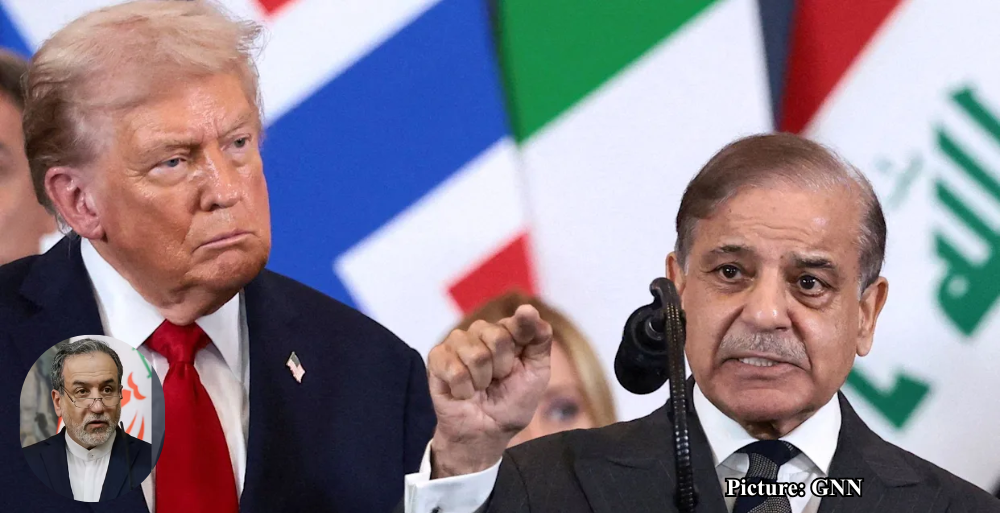
As the deadline for the ceasefire approached, Vice President JD Vance was prepared to travel to Islamabad, Pakistan, for talks with Iranian representatives. However, Iran’s last-minute withdrawal from the negotiations left U.S. officials scrambling for alternatives. Reports indicate that U.S. officials had urged Pakistan’s top mediator to secure at least some form of acknowledgment from Iran prior to Vance’s departure. Unfortunately, the anticipated response never materialized.
In response to Iran’s withdrawal, President Donald Trump announced an indefinite extension of the ceasefire, asserting that further military action would be postponed until Iran presented a “concrete offer” for lasting peace, according to the Wall Street Journal. This decision reflects Trump’s growing urgency to resolve the conflict, which has become deeply unpopular among voters. Polls show that two-thirds of voters disapprove of his handling of the crisis, contributing to a broader decline in his approval ratings, currently hovering around 37%.
Escalation of Hostilities
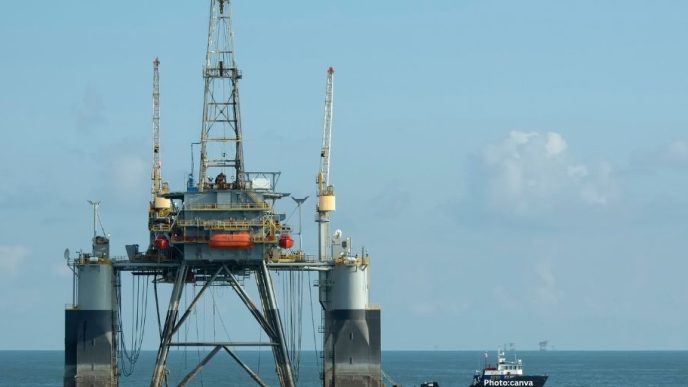
Despite the ceasefire extension, Iran has resumed aggressive military actions. Shortly after the breakdown of negotiations, Iranian forces seized three ships and attacked two vessels in the strategically critical Strait of Hormuz, a maritime route that carries approximately 20% of the world’s oil supplies. The seized vessels include the Panama-flagged Euphoria and MSC Francesca, as well as the Liberian-flagged Epaminondas. Iranian officials stated that the ships would be detained while their documents and cargo are inspected, further escalating tensions in an already volatile region.
In a series of posts on the social media platform Truth Social, Trump contended that Iran’s actions were motivated by the desire to keep the Strait of Hormuz open for trade, which he estimated could generate up to $500 million daily for the Iranian economy. He indicated that despite the ongoing blockade by U.S. forces, Iranian officials had expressed a desire to reopen the waterway. Trump remarked, “If we do that, there can never be a Deal with Iran, unless we blow up the rest of their Country, their leaders included!” This statement underscores the complexities of negotiating peace with a regime that has engaged in aggressive military behavior while also navigating the domestic political landscape.
Political Implications and Upcoming Midterms
The situation in Iran has become increasingly contentious politically. With the midterm elections approaching, Democrats are poised to capitalize on the discontent surrounding Trump’s foreign policy. Currently, they hold an almost six-point lead in polls regarding the upcoming battle for control of the House and Senate. The handling of the Iranian conflict could play a crucial role in shaping voter sentiment, as ongoing military actions and stalled negotiations have left many questioning the effectiveness of the administration’s approach.
Trump’s insistence on an immediate resolution to the conflict reflects not only his political calculations but also the broader implications of U.S. foreign policy in the Middle East. The past two decades have seen varying degrees of U.S. involvement in the region, with the current administration facing the challenge of balancing military action with diplomatic engagement. The rising tensions in the Strait of Hormuz, a vital artery for global oil transport, heighten the stakes for both American interests and regional stability.
International Reactions and Future Prospects
The breakdown in negotiations and Iran’s military provocations have drawn international scrutiny. Analysts suggest that the lack of a coherent U.S. strategy could embolden Iran to continue its aggressive stance, thereby complicating future diplomatic efforts. The European Union and other stakeholders have expressed concerns over the escalating conflict and its potential ramifications for global oil markets and security in the Middle East.
As the situation unfolds, it remains to be seen how the U.S. will respond to Iran’s military provocations and whether diplomatic efforts can be revived amid the ongoing conflict. The stakes are high, not only for the immediate safety and stability of the region but also for the broader implications for U.S. foreign policy. The administration’s ability to navigate these challenges will be closely monitored in the lead-up to the midterm elections, where foreign policy is expected to be a significant issue for voters.