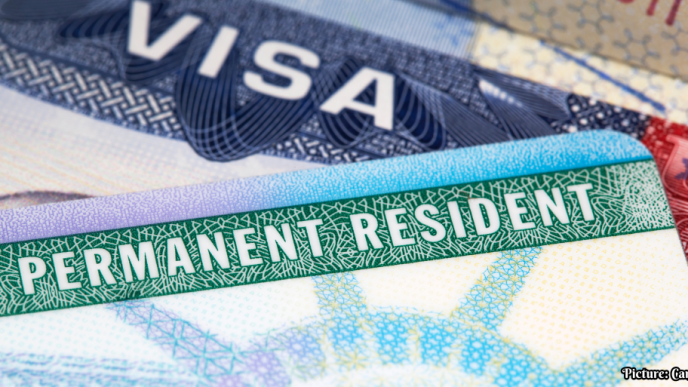
As U.S. colleges and universities prepare for the upcoming fall semester, they face a significant decline in international student enrollment, attributed to ongoing challenges such as visa processing delays and geopolitical tensions.
As the fall semester approaches, U.S. colleges and universities are preparing for a notable decrease in international student enrollment. This anticipated decline is rooted in a combination of systemic barriers, including delays in visa processing, geopolitical tensions, and evolving immigration policies that have increasingly complicated the pathway for international students seeking education in the United States.
The latest reports indicate that California has experienced a decrease of more than 6,000 international students since the previous year, reflecting a decline of approximately 4% in enrollment. This drop is particularly pronounced in master’s degree programs, which have seen the steepest declines since the beginning of the Trump administration’s second term in office. The repercussions of this trend extend beyond individual institutions, potentially jeopardizing the financial stability of universities that rely heavily on tuition from international students.
The Economic Impact on Higher Education
International students have historically been a crucial component of U.S. higher education, not only enriching the cultural fabric of campuses but also contributing significantly to the economy. According to data from the Institute of International Education, international students contributed roughly $39 billion to the U.S. economy in the 2019-2020 academic year. This financial influx is vital, especially for institutions grappling with budget constraints exacerbated by the COVID-19 pandemic.
The decline in international student enrollment threatens to diminish this economic contribution. Universities often depend on the higher tuition fees paid by international students, which can be two to three times greater than those paid by domestic students. A sustained reduction in this demographic could lead to budget shortfalls, forcing institutions to make difficult decisions about program offerings, staff retention, and campus resources.
Furthermore, the absence of international students may lead to a less vibrant and diverse campus atmosphere. Universities promote cultural exchange and global perspectives, which are significantly enriched by the presence of students from various backgrounds. The lack of this diversity could diminish educational experiences for domestic students, who benefit from exposure to different cultures and viewpoints.
Barriers to Enrollment
The anticipated drop in international student numbers can be traced to multiple factors. One of the most significant barriers is the ongoing delays in visa processing. The U.S. State Department has faced challenges in efficiently processing visa applications, resulting in lengthy wait times that deter potential students from pursuing education in the country. These delays are particularly concerning for students who need to secure their visa status well in advance of the academic year.
Geopolitical factors also play a critical role in shaping international student interest. For instance, students from China, who represent a substantial portion of the international student population in the U.S., may be hesitant to apply due to uncertainties related to travel restrictions and the state of diplomatic relations between the two countries. The perception of the U.S. as an increasingly unwelcoming environment for foreign students has been echoed in surveys, with many prospective applicants expressing concerns about their safety and inclusivity.
Additionally, recent changes to immigration policies under various administrations have created an atmosphere of uncertainty. Potential students often weigh these factors heavily when deciding where to pursue their education, and many may choose to look to other countries that offer more favorable conditions for international students.
University Responses to the Crisis
In light of these challenges, U.S. universities are adopting various strategies to attract and retain international students. Many institutions are expanding their outreach efforts through virtual recruitment events and partnerships with foreign educational organizations to streamline the application process. These initiatives aim to mitigate some of the barriers that prospective students face.
Moreover, universities are enhancing support services tailored for international students, including counseling, mentorship programs, and cultural integration initiatives. These efforts are designed to create a welcoming environment, countering negative perceptions and reassuring prospective students of their value within the academic community.
The Future of International Enrollment
As colleges and universities navigate this challenging landscape, the long-term implications of reduced international student enrollment remain uncertain. While some institutions may successfully adapt and attract new international students through innovative strategies, others could face significant financial and operational challenges. The broader impact on the U.S. education system and economy will likely continue to unfold in the coming years, as universities reassess their strategies and efforts to reclaim their status as a global destination for higher education.
In conclusion, as the fall semester begins, the anticipated decline in international student enrollment underscores the complex interplay between educational institutions and global dynamics. The commitment to fostering an inclusive and supportive environment for international students will be crucial in reversing this trend and ensuring that U.S. higher education remains a beacon for students worldwide. The landscape of higher education is shifting, and universities must adapt to these changes to thrive in an increasingly competitive global market.