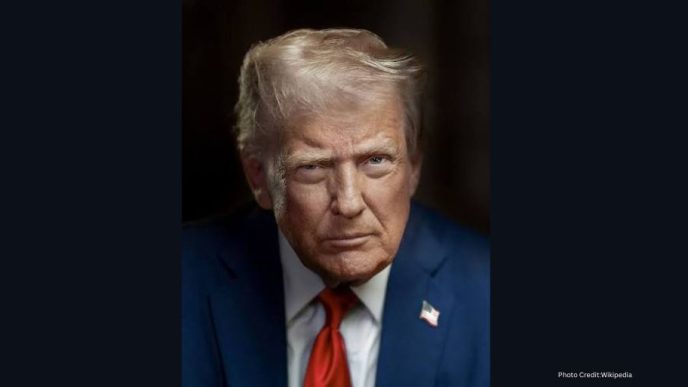
In a recent press conference, President Trump indicated a readiness to work with Democrats on healthcare, film industry incentives, and college sports regulations, suggesting a potential shift toward bipartisanship.
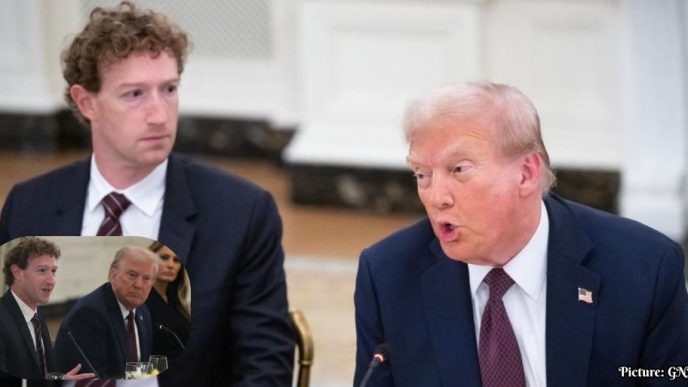
Washington, D.C. – In a significant news conference on Friday, President Donald Trump suggested he is open to collaboration with Democratic lawmakers on several pivotal issues, including healthcare reform, incentives for the film industry, and regulations governing college sports. This announcement arrives in the context of recent Democratic victories in the midterm elections, which have altered the political landscape as both parties gear up for upcoming legislative battles.
During the conference, President Trump stated, “I am open to great healthcare. Now, can it be what they want? No, but it can be a combination of what we all want. We could end up with great healthcare in our country. We could end up better than dealing with just the Republicans. We’ll have tremendous Republican support.” This statement signals a potential willingness to negotiate on healthcare, a contentious issue that has long been a source of division between Republicans and Democrats. The President’s comments suggest a recognition that bipartisan solutions may be necessary to address the ongoing challenges in the U.S. healthcare system.
Incentives for the Film Industry
In addition to healthcare, Trump highlighted his administration’s ongoing efforts to support the U.S. film and television industry. He discussed the Motion Picture, Television, and Entertainment Revitalization Act, which aims to incentivize domestic production of movies and television shows. Trump emphasized the bill’s bipartisan appeal, stating, “It has unbelievable support. I’ll tell you what, Adam Schiff said, ‘Wow, we love that bill,’” referring to the Democratic Senator from California. Trump expressed confidence that this initiative would attract bipartisan support, asserting, “That’s going to be very bipartisan, and I can tell you it’s going to happen.” Such measures could not only bolster the economy but also create jobs, particularly in the entertainment sector, which has been significantly affected by the COVID-19 pandemic.
Legislation on College Sports
Trump also addressed the pressing issue of college sports legislation, specifically regarding name, image, and likeness (NIL) rights for student-athletes. He warned that without legislative action, many colleges could face severe financial difficulties, stating, “You’re going to have colleges, every college is going to go bankrupt if we don’t get a bill done because they’re going crazy. They’re paying quarterbacks $12 million a year.” This remark underscores the ongoing debates surrounding compensation for student-athletes and the implications of NIL rights on the sustainability of college sports programs. The NCAA has faced increasing pressure to adapt to these changes, and Trump’s comments suggest he views bipartisan action as essential to addressing the evolving landscape of college athletics.
Following the midterm elections, Trump indicated he has maintained communication with Democratic leaders on Capitol Hill, although he refrained from naming specific lawmakers. His previous openness to work with Democrats on immigration reform was met with skepticism, particularly after appointing Stephen Miller as his chief of staff, a move interpreted by many as a signal of his hardline stance on immigration.
Shifts in Democratic Leadership
The political dynamics within the Democratic Party have also shifted significantly. House Minority Leader Hakeem Jeffries (D-N.Y.) was overwhelmingly nominated to serve as Speaker of the House, while Senate Minority Leader Chuck Schumer (D-N.Y.) is currently engaged in a leadership contest against progressive Senator Chris Van Hollen (D-Md.). In his comments, Trump referred to both leaders as “smart,” suggesting he believes they will eventually engage in productive discussions with him. He reflected on the challenges of working with certain Republicans, stating, “It’s true that there are those who say we might get more done because we had some Republicans that were just impossible to deal with.”
This potential for bipartisanship comes at a crucial time, as both parties navigate a complex political environment characterized by intense divisions on key issues. Trump’s overture for cooperation underscores his recognition of the necessity for cross-party dialogue to achieve legislative goals. However, the historical challenges associated with bipartisan collaboration may pose significant obstacles, particularly as both parties prepare for the next election cycle.
The implications of Trump’s willingness to compromise, as well as the responses from Democratic leadership, will be critical in shaping the legislative landscape in the coming months. With key issues such as healthcare reform, entertainment industry support, and college sports regulations at stake, the extent to which both parties can find common ground will be closely watched by stakeholders and constituents alike.
As Trump navigates this potential new chapter in his administration’s approach to governance, the impact of bipartisan efforts on public policy and electoral outcomes will likely resonate beyond immediate legislative sessions, influencing the broader political discourse in America.