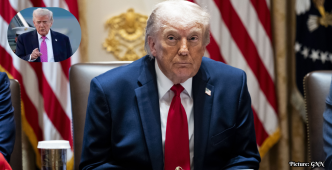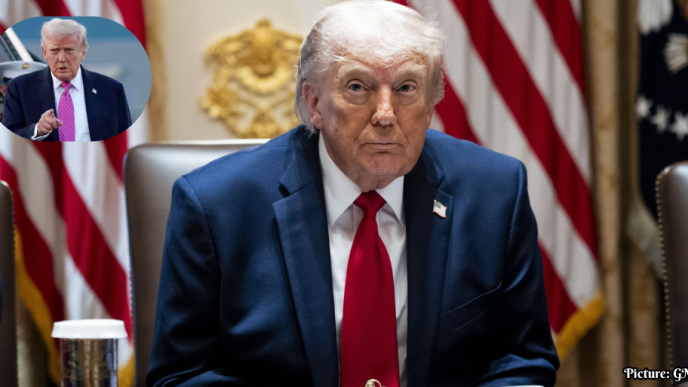
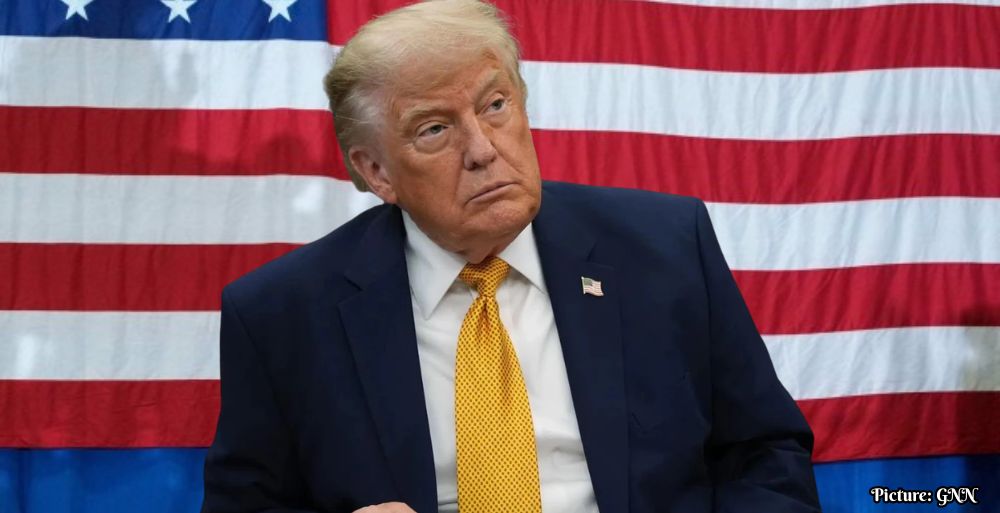
President Donald Trump has signaled a willingness to collaborate with the incoming Democratic Congress to impose a cap on credit card interest rates, reviving a key promise from his 2024 campaign.
New York, NY — In a recent interview on Fox News Channel’s “Saturday in America,” President Donald Trump expressed his intention to work alongside the newly elected Democratic Congress to implement a cap on credit card interest rates. This initiative, which aims to limit interest rates to 10%, is a fulfillment of a pledge made during his 2024 campaign. Trump stated, “I would do it. These credit card companies have made a lot,” highlighting concerns about the high rates currently faced by consumers.
Current Landscape of Credit Card Interest Rates
The current median credit card interest rate stands at approximately 22.2%, according to an August survey by the New York Federal Reserve. This figure is substantially higher than the proposed cap and illustrates the burden that high-interest rates impose on consumers. The issue has garnered attention due to the growing financial strain on American households, particularly as credit card debt has reached a staggering $1.23 trillion as of the third quarter of last year.
Trump’s earlier proposal to cap interest rates arose as part of a broader affordability initiative introduced by the White House in January. However, the idea faced significant opposition from the banking sector and credit card companies, which argued that a cap could lead to severe repercussions. Critics contended that such regulations would compel financial institutions to either eliminate cards for lower-income customers or drastically reduce the rewards programs that incentivize credit card usage.
Political Dynamics Shift with Democratic Control
With the Democratic Party set to control both the House and Senate following the recent elections, the political landscape surrounding this proposal has shifted. Senator Elizabeth Warren (D-MA), who is expected to chair the Senate Banking Committee, has been a vocal advocate for capping credit card interest rates. In response to Trump’s comments, Warren stated: “Let’s cap credit card interest rates and save Americans money.” This sentiment is echoed by other prominent Democrats, such as Representative Maxine Waters of California, who chairs the House Financial Services Committee and has also supported the initiative.
Interestingly, some Republican lawmakers have joined the conversation, indicating a potential bipartisan approach to this issue. Senator Josh Hawley (R-MO) has previously proposed similar caps on credit card interest rates and reiterated his support in a post on social media platform X, saying, “The President is right. Let’s pass my bill to cap credit card interest fees.” This cross-party interest suggests that a collaborative effort may be possible in the upcoming Congress.
Economic Impact and Consumer Benefits
According to research conducted on the potential implications of capping credit card interest rates, Americans could save approximately $100 billion annually if rates are limited to 10%. The analysis indicates that while the credit card industry would face a significant decline in revenue, it would likely remain profitable overall. However, experts warn that consumers might experience a reduction in credit card rewards and other perks as companies adjust their business models to comply with the new regulations.
The Consumer Financial Protection Bureau reports that around 195 million Americans were using credit cards in 2024, with total interest charges amounting to an estimated $160 billion. The prevalence of high-interest credit cards represents a considerable challenge for many households, particularly as inflation and other economic pressures continue to impact consumer finances.
Historical Context and Legislative Challenges
The issue of high credit card interest rates is not new, as it has been a topic of discussion among policymakers for decades. Previous attempts to regulate credit card interest rates have met with resistance from the financial industry, which argues that such measures could stifle competition and limit consumer access to credit. The debate over capping interest rates reflects broader concerns about financial stability and consumer protection in an evolving economic landscape.
As Trump seeks to fulfill his campaign promise, the potential collaboration with Democrats on this issue highlights a growing recognition of the financial challenges faced by American consumers. In an environment where many are grappling with increasing debt and financial insecurity, capping credit card interest rates could represent a significant shift in financial regulation, with profound consequences for both consumers and the credit industry.
Conclusion
The proposed cap on credit card interest rates stands as a pivotal issue in the upcoming legislative session, with the potential for bipartisan support. As both parties navigate the complexities of consumer finance, the outcome of this initiative will be closely watched by stakeholders across the political spectrum. Should the cap be implemented, it could reshape the landscape of consumer credit, providing much-needed relief to millions of Americans burdened by high-interest debt.