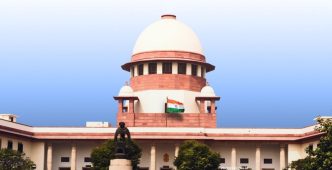
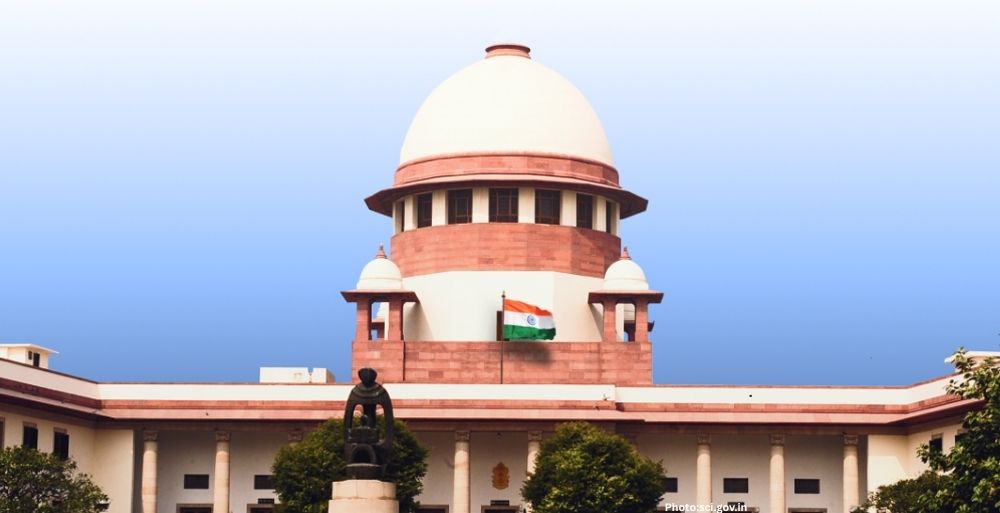
The Supreme Court of India has mandated the National Testing Agency to detail its implementation of reform recommendations following concerns about the security and integrity of the NEET examination system.
The Supreme Court of India convened on August 26, 2023, to address ongoing concerns regarding the National Eligibility cum Entrance Test (NEET), a critical examination for aspiring medical students in the country. During this session, the court scrutinized the current security measures surrounding the examination, particularly in light of previous incidents, including a notable paper leak that had raised widespread alarm. The government, represented by Solicitor General Tushar Mehta, defended the integrity of the NEET exam, asserting that the system is ‘foolproof and difficult to breach.’
Presiding over the case were Justices P.S. Narasimha and Alok Aradhe, who underscored the necessity for comprehensive reforms within the examination process. The bench specifically instructed the National Testing Agency (NTA) to provide detailed reports on the implementation of recommendations proposed by two significant committees: the seven-member Radhakrishnan Committee and the Nandan Nilekani Committee.
Origins of the Radhakrishnan and Nilekani Committees
The Radhakrishnan Committee was established by the Union Ministry of Education in response to a NEET-UG paper leak incident, which highlighted systemic vulnerabilities within the examination framework. Its mandate included recommending reforms to enhance the examination process, improve data security protocols, and refine the structure and functioning of the NTA. In parallel, the Nandan Nilekani Committee, led by the co-founder of Infosys, aimed to propose broader structural reforms designed to ensure the integrity and reliability of the NEET examination system.
During the proceedings, the Supreme Court bench acknowledged the systemic issues identified by the Radhakrishnan Committee, emphasizing the need for these reforms to be institutionalized. Justice Narasimha noted, ‘The Radhakrishnan Committee has correctly said it is a systemic problem which needs institutionalisation, which is the most important part of it. This process on paper everything is good. But then one exam happens and by the time the second exam happens it is a new picture altogether.’
Government’s Assurance on Examination Security
Solicitor General Mehta provided a robust defense of the government’s position, outlining the extensive safeguards integrated into the NEET examination process. He elaborated that the question paper is crafted by multiple moderators who are kept unaware of which questions will be included in the final exam. This measure is intended to enhance the integrity of the examination and mitigate the risk of leaks or malpractices.
Furthermore, Mehta highlighted the technological advancements implemented in the transportation of NEET question papers, noting that vehicles transporting these materials are equipped with GPS tracking systems. This enables close monitoring of their movements, ensuring that even minor deviations are recorded, thereby enhancing the security of the examination materials.
Context of Public Concerns and Legal Challenges
The Supreme Court’s deliberations also involved a series of petitions, including one filed by advocate Tanvi Dubey on behalf of the Federation of All India Medical Associations (FAIMA). These petitions reflect a growing concern among medical aspirants and stakeholders regarding the integrity and transparency of the NEET examination process. The backdrop of these developments includes increasing scrutiny of examination systems across India, particularly in light of instances of misconduct and irregularities that have historically affected various entrance examinations.
NEET serves as a crucial gateway for aspiring medical students, and its integrity is paramount to ensure fair access to medical education. The examination has faced criticism over its vulnerabilities, raising pressing questions about fairness and equity in the admission process to medical schools across the nation.
Implications for Future Medical Admissions
In response to the Supreme Court’s directives, the NTA is expected to submit a detailed affidavit outlining the specific steps taken to implement the recommendations from both the Radhakrishnan and Nilekani committees. The court’s insistence on institutionalizing reforms reflects a broader commitment to enhancing the credibility of the NEET examination process, which remains a key component of medical education in India.
As these developments unfold, stakeholders from various sectors—including educational institutions, medical associations, and student bodies—are closely monitoring the proceedings. The outcomes of this case may have significant implications for the future of medical admissions in India, influencing both policy reforms and public trust in the examination system.
Furthermore, the Supreme Court’s engagement with the NEET examination process is part of a larger trend in which the judiciary is increasingly involved in overseeing educational standards and examination integrity. This engagement underscores the judiciary’s role as a critical arbiter in ensuring that entrance examinations are fair, transparent, and equitable, thereby safeguarding the interests of students across the country.