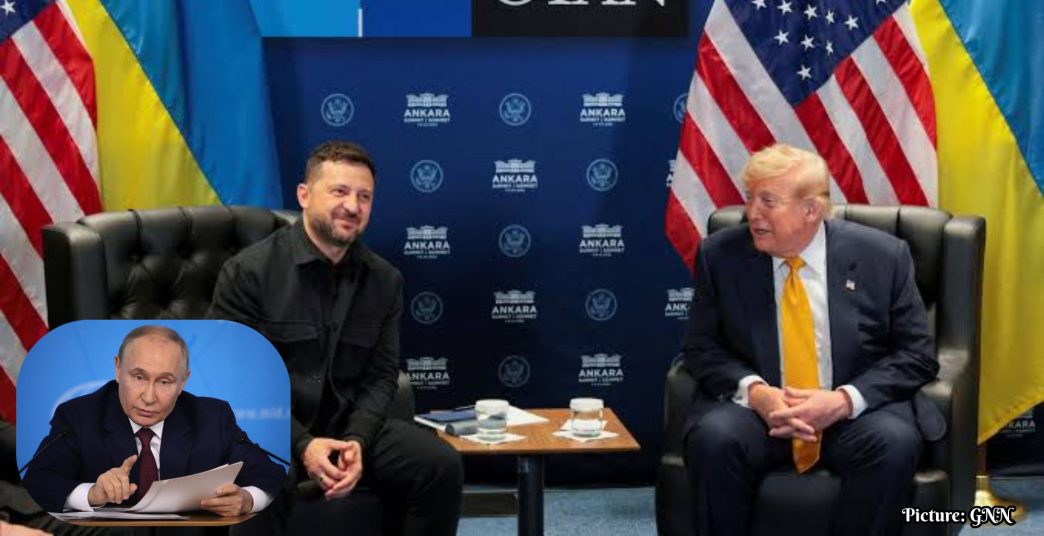
Russian President Vladimir Putin indicated a possible opportunity for peace with Ukraine, while NATO leaders voiced serious concerns regarding Russia’s military aggressiveness.
VLADIVOSTOK, Russia — In remarks delivered at the Eastern Economic Forum on Thursday, Russian President Vladimir Putin suggested that there is a “chance” for peace in the ongoing conflict with Ukraine. However, he also criticized Ukraine’s recent advisories to airlines urging them to avoid Russian airspace, describing such warnings as an act of “state terrorism.” Putin asserted, “Ultimately…the problem must be resolved by the countries involved in the conflict – Russia and Ukraine. Is there a chance [at peace]? In my view, yes, there is.”
Putin’s comments come at a time when diplomatic efforts to bring an end to the war, which began in 2014, have stagnated. The conflict has resulted in thousands of casualties and the displacement of millions, with both Kyiv and Moscow firmly entrenched in their positions regarding territorial disputes, security guarantees, and Ukraine’s military alignment, particularly in relation to NATO.
Shifts in Diplomatic Engagement
In response to Putin’s assertion, Ukraine’s Foreign Minister Andrii Sybiha expressed optimism about a potential shift in the diplomatic landscape. He stated that there may now be a “new dynamic in the peace efforts, with the return of this active phase of political and diplomatic engagement in many capitals around the world.” This sentiment reflects a broader hope among Ukrainian officials that renewed international focus could facilitate progress toward a resolution.
Despite such optimism, recent diplomatic initiatives spearheaded by the United States and European allies have yet to yield significant results. Reports indicate that U.S. CIA Director John Ratcliffe visited Moscow last week to deliver a stark warning to Russian authorities against further escalation of the conflict. This diplomatic engagement underscores the ongoing tensions and the complexity of the situation.
International leaders have also made calls for peace, with Indian Prime Minister Narendra Modi urging Putin to move away from what he described as “endless war” and to seek a peaceful resolution with Ukraine. Additionally, a spokesperson from the Chinese foreign ministry reiterated that “dialogue and negotiation are the only viable solution to the Ukraine crisis.” This statement follows a recent appeal from Ukrainian President Volodymyr Zelenskyy for Beijing to play a more substantial diplomatic role in addressing the ongoing conflict.
NATO’s Concerns about Russian Aggression
Putin’s optimistic perspective on peace stands in stark contrast to the alarming warnings issued by NATO regarding Russia’s military activities. NATO Secretary General Mark Rutte characterized Russia’s actions as becoming “increasingly reckless,” pointing to recent incidents involving missiles and drones crossing Europe’s eastern flank. He also referenced an alleged hybrid attack attributed to Russian operatives at Germany’s Leipzig airport last month.
Rutte emphasized the seriousness of the threats posed by Russia, stating, “The dangers Russia poses are clear, and we are working around the clock to ensure that we are prepared to keep our people safe.” He further asserted that if Russia believes it can exploit divisions within NATO or deter the alliance’s support for Ukraine, it is gravely mistaken.
Escalating Military Tensions
While diplomatic discussions continue, the military situation remains highly volatile. On Tuesday, President Zelenskyy urged airlines to avoid Russian airspace, citing a marked increase in Ukraine’s long-range drone operations targeting Russian military and energy infrastructure. Zelenskyy labeled Russian airspace as “completely unsafe” due to the heightened number of drones being operated in the region.
In response to these developments, Putin condemned Ukraine’s warnings as tantamount to a declaration of “state terrorism” and pledged to escalate military operations against Ukraine. This escalation coincides with Ukraine’s growing reliance on domestically produced drones to extend their operational reach and increase the economic and military burden of Russia’s invasion.
Moreover, Russian forces have intensified missile strikes against urban centers in Ukraine, exacerbating an already dire humanitarian situation and complicating Kyiv’s efforts to enhance its air defense capabilities. Reports indicate that the ongoing conflict has led to significant infrastructural damage and humanitarian crises, further straining resources and international relations.
The situation remains fluid, with continued monitoring of developments from both sides. As diplomatic channels appear strained, the international community is closely observing the dynamics of the conflict, awaiting any signs of a breakthrough or further escalation.
CNBC has reached out to the foreign ministries of both Russia and Ukraine for additional comments regarding these developments and the current state of negotiations.