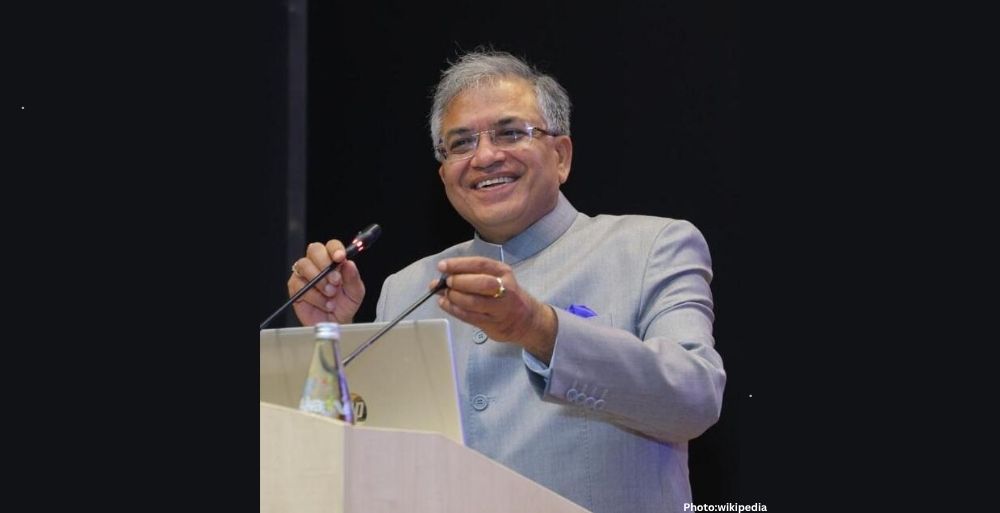
On October 17, 2026, hundreds of protesters gathered in London to voice their dissent against Chief Election Commissioner Gyanesh Kumar and the Special Intensive Revision (SIR) of electoral rolls, amidst a strong counter-protest supporting the Indian government.
On October 17, 2026, a substantial demonstration unfolded at Parliament Square in London, where hundreds of people convened to protest against Chief Election Commissioner Gyanesh Kumar and the Special Intensive Revision (SIR) of electoral rolls. The protest was organized primarily by the Opposition Congress in conjunction with various Indian student groups based in the United Kingdom, reflecting a growing discontent among segments of the Indian diaspora regarding electoral integrity and governance in India.
The rally, themed “Stop Vote Chori,” sought to raise awareness about alleged electoral malpractices perceived by the demonstrators. Activist Dhruv Rathee served as the keynote speaker, addressing the crowd in Hindi. He emphasized the necessity of advocating against what he termed “vote chori,” asserting, “These protests will stop the moment the Chief Election Commissioner is replaced by a candidate that is chosen in agreement between the government and Leader of the Opposition.” Rathee’s remarks struck a chord with attendees, who responded with slogans such as “Inquilab Zindabad” and “Vande Mataram,” culminating in a reading of the preamble of the Indian Constitution, which underscores the democratic values of justice, liberty, equality, and fraternity.
Counter-Protests from Supporters of the Indian Government
In stark contrast, a smaller yet vocal group of government supporters assembled nearby, chanting “Modi, Modi” in a show of allegiance to Prime Minister Narendra Modi’s administration. The Metropolitan Police maintained a physical separation between the two factions to prevent any potential escalation of tensions and ensure public safety. Hirdesh Gupta, founder of India Diaspora (ID) U.K., which organized the counter-protest, expressed unwavering support for Modi’s vision, stating, “The Indian diaspora in the U.K. stands firmly, shoulder to shoulder, with Modi Ji and his government in their vision of a strong, united, and developed India.”
This demonstration on October 17 is part of a broader series of protests that began with an “Emergency Protest” on October 13, called by the Cockroach Janata Party (CJP). The CJP and its supporters have been vocal in demanding the removal of Gyanesh Kumar and the cancellation of the SIR, which they argue undermines electoral integrity. The Election Commission of India has defended the SIR as a necessary measure aimed at updating electoral rolls by identifying deceased, duplicate, and otherwise ineligible entries, clarifying that the exercise is not intended to disenfranchise voters but to ensure the accuracy of electoral rolls.
Historical Context and Implications
The protests in London reflect a contentious political climate surrounding electoral reforms in India. The SIR process has drawn criticism from various political factions, civil society groups, and members of the diaspora, who argue that it could disenfranchise voters and alter electoral outcomes. Historically, electoral reforms in India have been fraught with controversy, often accompanied by allegations of bias and manipulation during major electoral cycles. The 2024 general elections are anticipated to be particularly pivotal, as political parties and their supporters prepare to navigate a landscape marked by heightened scrutiny and public dissent.
This recent wave of protests indicates a growing mobilization among Indian students and expatriates in the U.K., who are increasingly vocal about political issues affecting their homeland. The convergence of dissenting voices abroad could have significant implications for India’s political landscape, especially as the Indian government attempts to engage with its diaspora while addressing domestic concerns. The challenges faced by the Indian government in addressing the concerns of its diaspora are further compounded by the polarized views within the community regarding the current political trajectory of India.
The Role of the Indian Diaspora
The protests also underscore the complexities of the Indian diaspora’s role in influencing political discourse. While supporters of the Modi administration assert that the government is committed to enhancing democratic processes and fostering development, critics argue that measures like the SIR reflect an increasingly authoritarian approach to governance that undermines democratic norms. The contrasting narratives presented by the opposing groups at the protest highlight the deep divisions within the Indian community regarding the implications of current electoral policies and governance strategies.
As the situation continues to evolve, the Indian government’s response to the growing calls for accountability and reform from both domestic and international stakeholders will be crucial. The protests in London are unlikely to be isolated incidents; rather, they are indicative of a broader struggle over the future of democracy in India, as well as the diaspora’s engagement in these critical issues.
Looking Ahead
In the coming months, the impact of such demonstrations on the Indian electoral process and governance will be closely monitored. The increasing polarization of public sentiment within the Indian community abroad could shape the narrative surrounding India’s electoral politics, particularly as the 2024 general elections approach. As protest movements gain momentum, the Indian government may need to reassess its strategies to engage with the diaspora and address their concerns effectively.
Ultimately, the events of October 17 reflect not just a moment of dissent but a broader dialogue about the future of democracy in India and the role of its diaspora in influencing political discourse. The actions taken by both protestors and counter-protestors may well signal a pivotal moment in how Indian politics is perceived both at home and abroad.