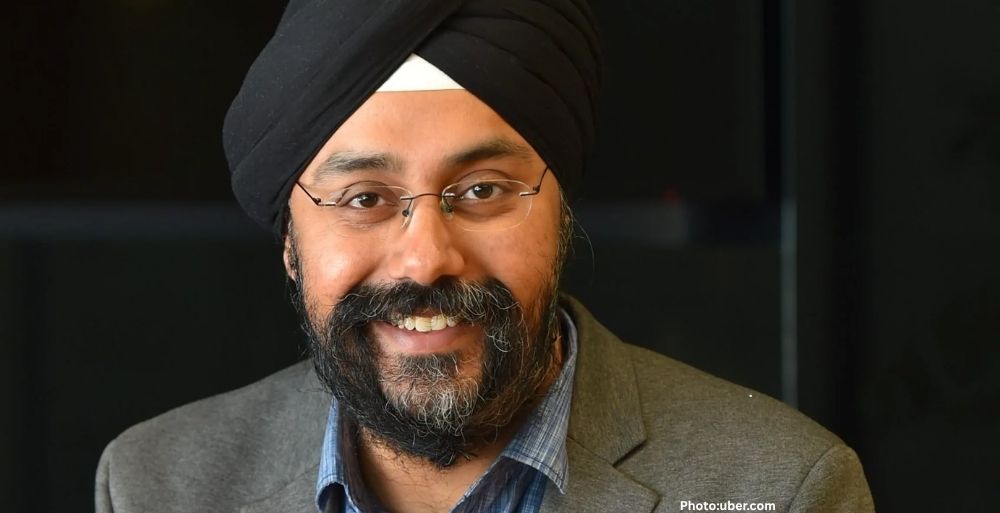
Prabhjeet Singh has stepped down from his position as President of Uber India and South Asia after nearly 11 years with the company, with reports indicating he is likely to take on a leadership role at OpenAI.
Prabhjeet Singh has officially resigned from his role as President of Uber India and South Asia, concluding a significant 11-year tenure with the ride-hailing company. His departure, confirmed by an Uber spokesperson, comes at a pivotal moment as the company intensifies its focus on growth in India, one of its most vital markets.
In a statement, an Uber spokesperson said, “India is one of Uber’s most important markets globally, an important driver of innovation and long-term growth. The strength of our business today reflects the incredible team and foundation built over the years. We thank Prabhjeet for his leadership and lasting contributions in his decade-long journey with Uber. We remain deeply committed to our next phase of growth in India.” Media reports suggest that Singh is poised to join OpenAI as India’s Managing Director, a move that could significantly influence the technology landscape in the country.
Background and Career Path
Singh’s journey with Uber commenced in August 2015, following a role as an Associate Partner at McKinsey & Company. His strategic insights and leadership capabilities allowed him to ascend through various positions within Uber, culminating in his appointment as President for India and South Asia in July 2020. In this capacity, Singh oversaw Uber’s mobility operations not only across India but also in Bangladesh and Sri Lanka.
Under Singh’s leadership, Uber diversified its service offerings beyond traditional four-wheeler ride-hailing, introducing various options, including Auto, Moto, and Shuttle services. He played a crucial role in strengthening collaborations with local public transport authorities and initiated several digital public infrastructure projects aimed at enhancing urban mobility. These efforts were instrumental in allowing Uber to adapt to the unique transportation needs and regulatory environments of the regions in which it operated.
Recent Developments at Uber
Singh’s resignation follows a notable visit by Uber CEO Dara Khosrowshahi to India, during which he announced the establishment of Uber’s first data center in the country in collaboration with the Adani Group. This initiative underscores Uber’s commitment to bolstering its technological infrastructure in India, signaling an ambitious push towards enhancing operational capabilities.
Earlier in 2023, the company infused nearly Rs 3,000 crore (approximately $330 million) into its Indian subsidiary, Uber India Systems Pvt Ltd. This financial injection is viewed as a strategic maneuver to strengthen its competitive position in a rapidly evolving market, particularly against rising local challengers such as Rapido. The significant investment reflects Uber’s broader strategy to sustain its market dominance amid increasing competition and regulatory scrutiny.
Implications of Singh’s Departure
Singh’s exit from Uber marks a pivotal transition for the company, raising questions about future leadership dynamics and strategic direction within Uber India. His departure may prompt the company to reassess its strategies in a challenging market characterized by fierce competition and shifting regulatory frameworks. The ride-hailing sector in India has witnessed rapid growth, yet it also faces obstacles, including regulatory challenges and evolving consumer preferences.
As Singh prepares to embark on his new venture at OpenAI, his extensive experience in navigating complex markets could provide valuable insights as the organization seeks to expand its footprint in India. OpenAI, a leader in artificial intelligence research and deployment, may benefit from Singh’s understanding of local market dynamics, regulatory landscapes, and technological trends.
The Broader Context of Singh’s New Role
OpenAI’s expansion into India aligns with the growing global interest in artificial intelligence and machine learning. As nations increasingly turn to technology to drive economic growth, Singh’s expertise in the Indian market could bolster OpenAI’s initiatives. His background in leading substantial operational growth at Uber positions him well to navigate the complexities of the Indian tech landscape.
The potential impact of Singh’s move to OpenAI could extend beyond the organization itself. As the tech industry in India evolves, the integration of AI technologies across various sectors—from transportation to healthcare—will likely accelerate. Singh’s leadership could influence how OpenAI tailors its products and services to meet the specific needs of Indian consumers and businesses.
Looking Ahead
Singh’s anticipated transition to OpenAI is poised to have broader implications for both companies and the tech industry in India. As AI technology becomes increasingly integral to various sectors, Singh’s expertise could influence OpenAI’s strategic initiatives in the region, fostering innovation that aligns with India’s unique market requirements. The collaboration between Singh and OpenAI could ultimately drive new advancements in AI applications, contributing to India’s position as a burgeoning hub for technology and innovation.
In conclusion, Prabhjeet Singh’s resignation from Uber India and his expected move to OpenAI highlight the fluid nature of leadership in the technology sector. His departure signifies not only a shift within Uber but also reflects the ongoing evolution of the tech industry in India as companies respond to changing market conditions and seek to capitalize on new opportunities for growth. The ripple effects of Singh’s leadership journey are likely to be felt across both organizations as they navigate an increasingly competitive landscape, and his new role at OpenAI could represent a significant step in shaping the future of AI in India.