
The Philippines welcomed 4.11 million foreign visitors from January to August 2023, reflecting a 3.7% increase compared to the same period last year, driven by improved flight connectivity and targeted marketing strategies.
In a significant boost for its tourism sector, the Philippines recorded 4.11 million foreign arrivals between January and August 2023, marking a 3.7% increase from the 3.97 million visitors during the same period in 2022. This upward trend is attributed to enhanced flight connectivity and strategic marketing campaigns aimed at attracting international travelers, according to data released by the Department of Tourism (DOT).
Top Source Markets
The United States remains the largest source of foreign tourists to the Philippines, contributing 818,318 arrivals in the first eight months of the year. South Korea follows as the second-largest market with 727,379 visitors. Other notable contributors include Japan with 350,191 arrivals, mainland China with 310,088, and Australia with 234,156 tourists. The top ten source markets also feature Canada (231,972), Taiwan (154,957), the United Kingdom (132,370), Singapore (126,812), and India (77,883), reflecting the diverse international appeal of the archipelago.
Strategic Goals for Tourism Growth
Tourism Secretary Dita Angara-Mathay has set ambitious targets for the industry, aiming to attract at least 6.8 million foreign visitors by the end of 2026, with hopes of reaching or exceeding 7 million. This goal is part of a broader recovery strategy following the substantial impact of the COVID-19 pandemic on global travel. The Philippine government is focusing on revitalizing tourism as a crucial pillar of the national economy, which contributed approximately 12.8% to the country’s GDP pre-pandemic.
To achieve these targets, the DOT is intensifying branding and promotional campaigns in key source markets, with particular emphasis on countries that have shown a strong interest in visiting the Philippines. Angara-Mathay noted that enhancing the visibility of the Philippines as a travel destination is essential for attracting more visitors and revitalizing the local economy.
Enhancing Connectivity
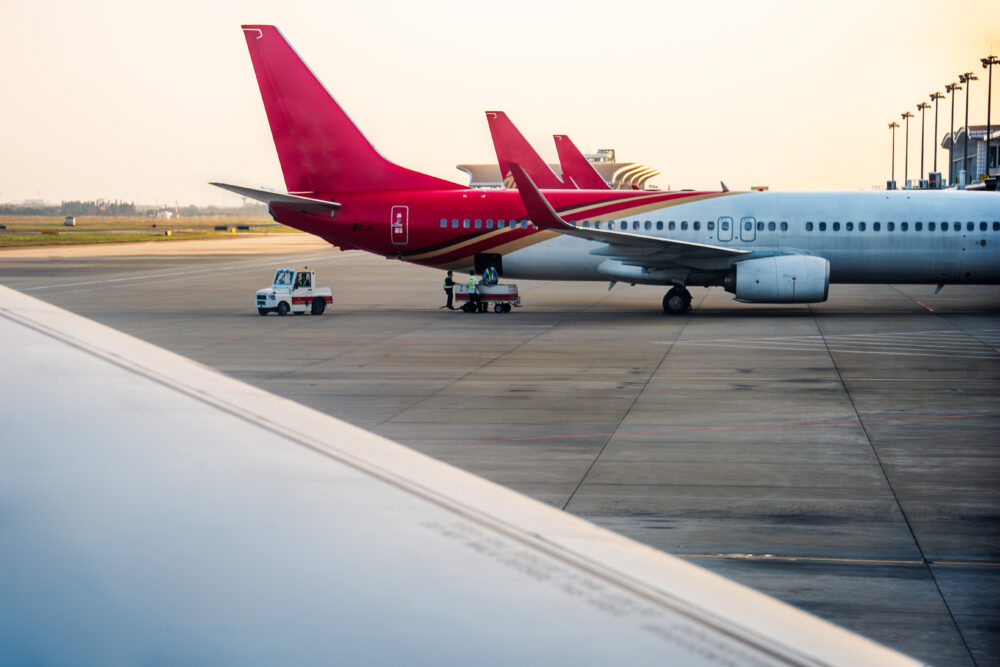
In conjunction with marketing efforts, the Department of Tourism is actively engaging with airlines to explore opportunities for establishing more chartered flights from secondary cities in South Korea and China to the Philippines. This initiative aims to improve accessibility for potential travelers, making it easier and more convenient to visit the country. By enhancing flight options, the DOT hopes to tap into the growing demand for international travel and capitalize on the increasing interest in the Philippines as a holiday destination.
Acknowledgments and Recognition
The Philippines has recently garnered international recognition, being named “Asia’s Leading Beach Destination” at the 2025 World Travel Awards. This accolade not only highlights the country’s breathtaking beaches and rich cultural heritage but also serves to enhance its reputation as a premier tourist destination. Such recognition is expected to further stimulate interest among travelers worldwide and potentially increase the number of visitors in subsequent years.
Historically, the Philippines welcomed approximately 6.4 million foreign tourists in 2019, just before the onset of the pandemic, which illustrates the significant recovery potential as travel restrictions ease. The increase in arrivals reported thus far in 2023 signifies a positive trend towards resuming pre-pandemic visitor levels.
Challenges Ahead
Despite these optimistic figures, the Philippine tourism sector faces ongoing challenges, including the need to maintain high safety standards and ensure the well-being of visitors in the wake of the pandemic. The government is committed to implementing health and safety protocols to reassure travelers and sustain their confidence in international travel.
Moreover, while the increase in tourist arrivals is promising, the Philippine government recognizes that sustaining this growth requires continuous adaptation to changing global travel patterns and preferences. The focus on marketing the unique experiences the Philippines offers—ranging from its stunning beaches to its vibrant culture and history—will be pivotal in appealing to a diverse array of international tourists.
Looking Forward
As the Philippines continues to navigate the evolving landscape of global tourism, the emphasis on strategic marketing initiatives, improved connectivity, and maintaining high service standards will be critical in achieving its ambitious tourism objectives. The government’s proactive approach in fostering partnerships with airlines and enhancing promotional efforts is expected to yield positive results.
In summary, the Philippines’ tourism sector is on a path to recovery, with promising growth indicators and strategic plans in place to attract a larger share of international visitors. As the government works toward its ambitious targets, the focus remains on revitalizing the sector while ensuring safety and sustainability in tourism operations.