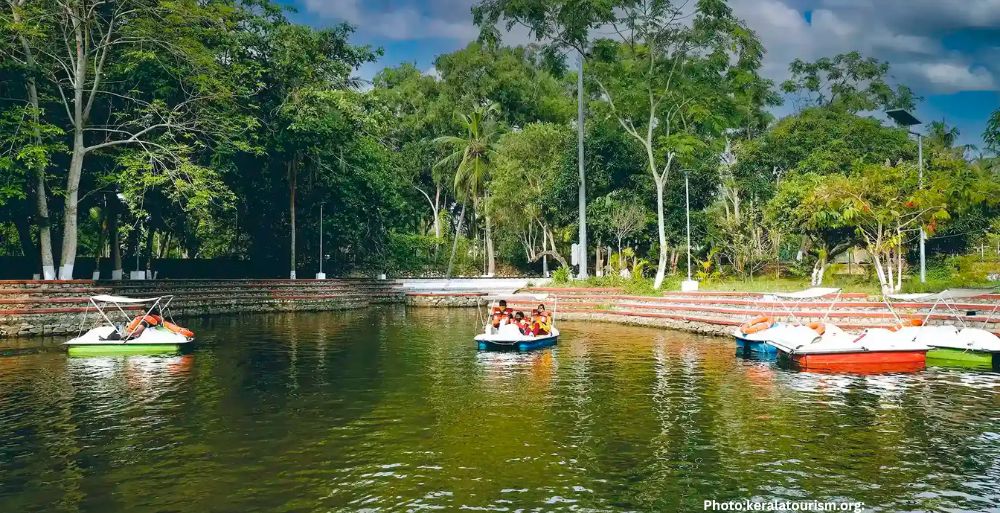
The Kerala government aims to transform Veli into a pivotal transport and tourism gateway, leveraging its strategic location near Thiruvananthapuram International Airport and historical waterways.
VELI, India – On Wednesday, the Kerala government, led by Chief Minister Satheesan, took a significant step towards transforming Veli into a major transport and tourism hub. This initiative capitalizes on Veli’s advantageous geographic location, nestled near the Thiruvananthapuram International Airport and close to the popular Shangumugham Beach. The government’s plan aims to integrate various modes of transport—air, rail, road, and water—making Veli a critical connector for both locals and tourists.
Launch of New Boat Service
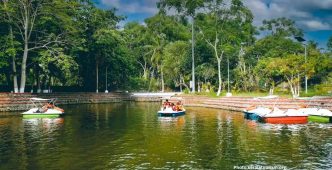
Transport Minister C.P. John, who represents the Veli constituency, inaugurated a new passenger-cum-tourism boat service from Veli Tourism Village. This service is designed to revive a historical waterway, creating a route that connects the Parvathy Puthanar canal to Kadinamkulam Lake. According to Minister John, this initiative is more than just an additional mode of transit; it is a concerted effort to restore the utility of an old waterway while simultaneously enhancing tourism experiences along Kerala’s scenic coast and backwaters.
The new service features a 24-seater solar-powered boat that travels a distance of 14 kilometers between Veli and Kadinamkulam, completing the journey in approximately two hours. This environmentally friendly approach not only promotes tourism but also aligns with Kerala’s broader sustainability goals.
Strategic Importance of Veli
Minister John envisions Veli as a key point in the tourism circuit that stretches from Kovalam to Varkala. Its proximity to both the airport and the Kochuveli railway station provides a unique logistical advantage, allowing visitors arriving by air to seamlessly connect to the city’s road, rail, and water transport systems from the same locality. This integration is expected to simplify travel for tourists and encourage longer stays in the region.
“Veli could become a key point in the tourism circuit stretching from Kovalam to Varkala,” he stated, highlighting that the new service could attract more tourists to the area, thereby boosting local economies and creating job opportunities.
The Historical Context of Waterways
In his remarks, Minister John also reflected on the historical significance of the Parvathy Puthanar waterway, established 202 years ago during the reign of Rani Parvathi Bai. He underscored the need to not only focus on new construction projects but also on the effective utilization of existing waterways. “Canals can remain clean only if they are used continuously,” he noted, emphasizing that regular use is vital for maintaining the ecological health and functionality of these waterways.
The historical context of these waterways is significant in understanding their potential. They have previously served as vital trade routes and played a crucial role in the region’s economic activities. The revival of these waterways could also be seen as a cultural restoration, reconnecting communities with their historical heritage.
Challenges and Future Prospects
The government’s ambition to turn Veli into a bustling transport and tourism gateway is not without its challenges. Minister John articulated the necessity of a comprehensive approach to ensure that the new infrastructure complements existing waterways. “Building new infrastructure alone is not enough,” he remarked, stressing the importance of regular use to keep these canals clean and functional.
For Veli, the launch of the new boat service symbolizes the beginning of a transformative journey. The government envisions a future where Veli evolves from a tranquil waterfront destination into a vibrant hub for transport and tourism, significantly contributing to the economic landscape of Thiruvananthapuram.
Broader Economic Implications
This initiative not only seeks to bolster local tourism but also aims to enhance the overall connectivity and accessibility of the region. The integration of Veli into the larger transport and tourism framework of Kerala could serve as a model for similar initiatives across the state, potentially fostering a renaissance of historical waterways and enhancing the overall travel experience in the region. The development is expected to bring in investments, improve infrastructure, and create job opportunities, particularly in tourism and hospitality sectors.
As the project unfolds, stakeholders, including local businesses and residents, will be closely monitoring its implementation and its impact on local communities, tourism, and transportation networks. The success of this initiative could set a precedent for future developments aimed at revitalizing other underutilized areas in Kerala. By transforming Veli into a transport and tourism hub, the government hopes to not only improve economic conditions but also strengthen the cultural identity and heritage of the region.
In conclusion, the transformation of Veli holds promise for the future of Thiruvananthapuram’s tourism and transport landscape. With the successful implementation of these plans, Veli could soon become a bustling nexus for travelers, connecting them to the rich natural beauty and cultural heritage of Kerala.