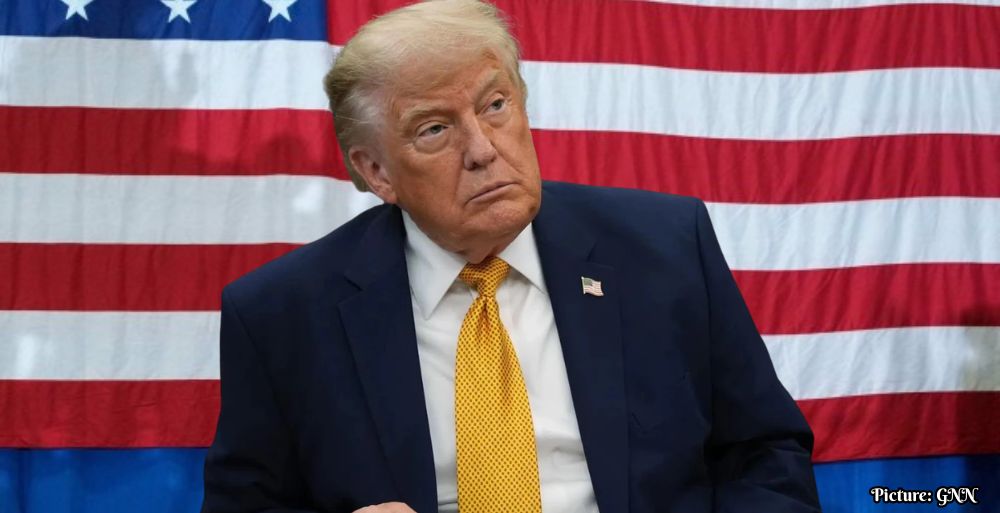
A recent Pew Research Center survey indicates a significant decline in global confidence in U.S. President Donald Trump and the overall perception of the United States as a reliable partner in international affairs.
The Pew Research Center released findings from a comprehensive survey conducted between February 8 and May 13, 2026, revealing widespread dissatisfaction with U.S. President Donald Trump’s leadership and a notable decline in favorable views of the United States across 36 countries. The research surveyed 42,151 adults to gauge international perceptions of both the U.S. and Trump, who is now in the second year of his second term.
Declining Confidence in Leadership
The survey results show that a median of only 23% of respondents across the surveyed nations express confidence in Trump’s ability to manage world affairs, a substantial drop from previous years. This decline is particularly evident in nations that have historically maintained robust ties with the U.S. For instance, confidence in Trump among Canadians has plummeted from 83% in 2022 to just 35% in 2026. In addition to Canada, other key allies such as Australia, Germany, and South Korea have recorded similar declines in confidence.
Overall ratings for the United States have similarly deteriorated, with favorable views decreasing significantly in countries like Indonesia, Italy, Nigeria, South Africa, South Korea, and Turkey. Notably, the share of the public that considers the U.S. a reliable partner has declined steeply since the last survey in 2022, when sentiments were more favorable under President Biden. Across 36 countries, a median of only 35% of adults believe the U.S. contributes positively to global peace and stability, reflecting a broader trend of skepticism towards American leadership.
Negative Views of U.S. Foreign Policy
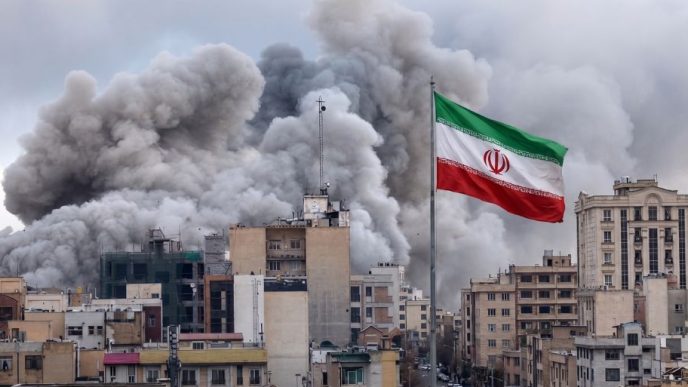
Trump’s handling of critical foreign policy issues has received overwhelmingly negative assessments. A majority of respondents disapprove of his approaches to various international challenges, including the ongoing conflict in Iran, where a median of 74% across nations expressed disapproval of his strategies. Notably, Israel is the sole country where a majority (73%) approve of Trump’s management of the situation, highlighting a stark contrast with other regions. This divergence suggests that while Trump has garnered some support in Israel, particularly among Jewish respondents, his overall global standing remains precarious.
Moreover, the survey indicates that Trump’s ratings for handling humanitarian aid and immigration remain low, despite some support from individuals aligned with right-wing populist movements in Europe. For example, while Trump received relatively better marks in countries like the Philippines and Kenya for his humanitarian policies, overall approval rates remain below majorities. The findings underscore a growing discontent with U.S. foreign policy, especially among traditional allies.
Historical Context of U.S. Perception
The findings reflect a significant historical shift in how the U.S. is perceived internationally. In 2013, during President Barack Obama’s second term, opinions were markedly more favorable, with three-quarters or more of respondents in multiple countries believing the U.S. respected personal freedoms. However, in 2021, this perspective began to decline, exacerbated by revelations from former NSA contractor Edward Snowden regarding government surveillance practices. Today, a median of only 39% of respondents believe the U.S. government respects individual liberties, a stark contrast to the 75% recorded in 2013. The current findings represent some of the lowest ratings for U.S. respect for personal freedoms in many countries surveyed, including Australia, Brazil, Chile, and Sweden.
Regional Variations in Sentiment
The survey also documents regional disparities in sentiment towards Trump and the U.S. Generally, Trump enjoys relatively higher approval ratings in countries such as the Philippines, Israel, Nigeria, Kenya, and Ghana. However, he faces significant disapproval in predominantly Muslim countries, including Turkey and among Palestinians, where confidence in Trump is notably low. In Israel, views of Trump are sharply divided along ethnic lines, with 79% of Jewish respondents expressing confidence in his leadership compared to only 13% among Arab respondents. Similarly, in Nigeria, Trump’s approval ratings differ dramatically between religious groups; 87% of Christians view him favorably, while only 33% of Muslims share this sentiment.
Implications for U.S. Foreign Relations
The decline in favorable views of the U.S. and Trump’s leadership could have far-reaching implications for American foreign relations, particularly as the country navigates complex geopolitical tensions. The survey indicates a growing skepticism about whether the U.S. considers the interests of other nations in its foreign policy decisions, with a median of only 32% believing the U.S. takes these interests into account. This finding suggests that many nations perceive U.S. foreign policy as increasingly unilateral and self-serving.
Furthermore, the data indicates that the erosion of trust and confidence among both allies and adversaries alike may hinder the U.S.’s ability to effectively engage in international diplomacy and collaboration. The findings serve as a critical reminder of the changing dynamics in global perceptions of American leadership and the necessity for nuanced engagement with the international community. As the U.S. continues to face challenges in its foreign policy approach, understanding these perceptions will be vital for future administrations in rebuilding relationships and fostering international cooperation.
Conclusions
In conclusion, the Pew Research Center’s survey illustrates a troubling trend of declining confidence in President Trump and the United States on the global stage. With negative assessments of American leadership and foreign policy strategies becoming more pronounced, the implications for U.S. diplomacy and international relations are significant. The challenge for the administration moving forward will be to address these perceptions and reestablish the United States as a trusted partner in global affairs.