OpenAI has successfully developed an ‘automated research intern’ and aims to create a fully independent AI scientist by March 2028, amidst notable rises in computational resource consumption and changing workplace dynamics.
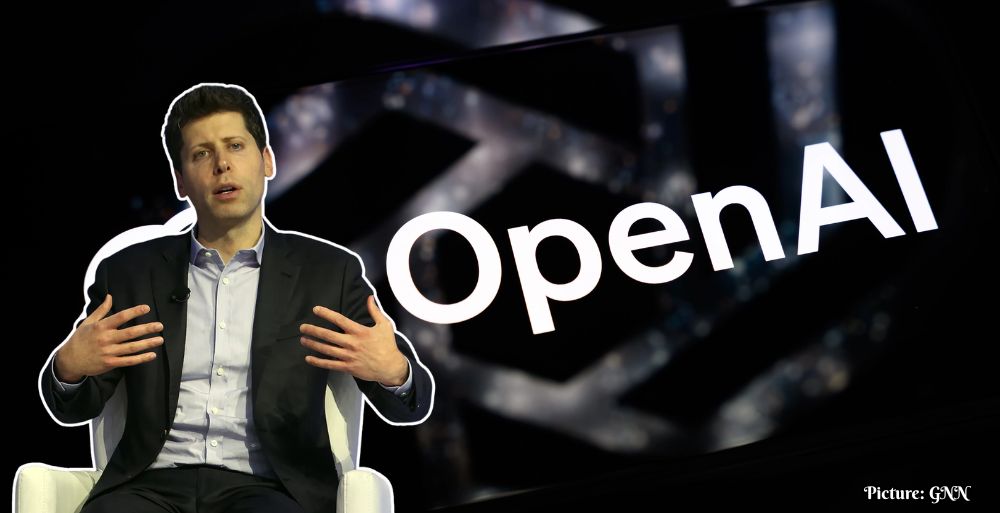
OpenAI, the prominent artificial intelligence research lab, has achieved a significant milestone with the development of an ‘automated research intern’. This milestone was announced by CEO Sam Altman, who initiated the project over a year ago. The organization now aims to further advance its innovations by engineering a fully autonomous AI scientist by March 2028, a goal that underscores the company’s commitment to pushing the boundaries of artificial intelligence.
Transformation in Research Operations
The update provided by OpenAI highlights how the integration of autonomous programming tools is transforming daily operations within its research environment. Researchers are increasingly delegating complex tasks to automated systems, moving away from manual coding toward a model that emphasizes supervision of AI-generated outputs. This shift has resulted in a notable increase in experimentation volume, enabling faster software releases and a redefined role for researchers as they oversee and validate the outputs of AI.
As part of this transition, the reliance on automated systems has significantly changed corporate troubleshooting dynamics. OpenAI reported a more than 50% decrease in daily help requests directed to its internal IT support desk since January. This decline suggests that employees are increasingly depending on autonomous bots to resolve software issues, which fundamentally alters how technology interacts with the workforce and raises questions about the future of IT support roles.
Rising Computational Resource Consumption
The rapid adoption of AI tools has led to a dramatic increase in the consumption of computational resources at OpenAI. By mid-August, the median researcher was using over $600 worth of computational tokens each day, a sizeable increase from the $162 daily average recorded in July. The highest-consuming 10% of researchers are spending upwards of $7,000 in tokens daily, indicating significant financial implications associated with this technological evolution.
These statistics are based on market estimates derived from external API pricing schedules, rather than OpenAI’s internal production costs. Altman previously disclosed that the company’s heaviest internal user processes approximately 100 billion tokens each month. This scale was illustrated by Peter Steinberger, a developer at OpenClaw, who shared data from an internal dashboard showing an estimated monthly invoice of $1.3 million, a cost that is fully borne by OpenAI.
Corporate Challenges and the ‘Tokenmaxxing’ Phenomenon
The swift advancement of programming agents has sparked a debate within the technology sector, creating a divide between productivity advocates and skeptics of AI workflows. Earlier this year, many enterprise firms encouraged employees to utilize generative models, implementing internal leaderboards to showcase the most active users. This led to a phenomenon dubbed ‘tokenmaxxing’, where employees maximized their AI interactions without a clear focus on practical outcomes.
However, as operational expenses began to outpace tangible efficiency gains, many companies, including major players like Amazon and Meta, have reassessed their strategies. Both firms have dismantled their internal usage leaderboards, indicating a more cautious approach to the integration of AI into their corporate infrastructures. This shift reflects a growing recognition of the need for balance between innovation and operational sustainability.
Wider Implications for the Tech Industry
The developments at OpenAI are emblematic of broader trends within the technology sector, where increased automation is reshaping the roles of human workers. The company’s advancements in creating an ‘automated research intern’ and its aspirations for a fully independent AI scientist illustrate the potential benefits and challenges of integrating sophisticated AI systems into research and corporate environments. As firms navigate these changes, the implications for workforce dynamics, productivity, and operational efficiency will continue to unfold.
OpenAI’s journey highlights critical questions about the future of work in an AI-driven landscape. As organizations explore the capabilities of AI, they must also grapple with the ethical and practical considerations of such technologies. The ongoing evolution of AI tools and their impact on traditional roles will likely lead to significant shifts in workplace dynamics, necessitating a reevaluation of how companies approach innovation and employee engagement.
In conclusion, the strides made by OpenAI in the development of its ‘automated research intern’ and the ambitious plans for a fully autonomous AI scientist by 2028 underscore both the potential and challenges associated with advanced AI integration. The changing patterns of technology usage and corporate policies will shape the future of work, compelling stakeholders to consider how best to harness AI’s capabilities while maintaining a focus on effectiveness, productivity, and the crucial role of human oversight.