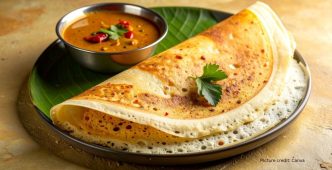
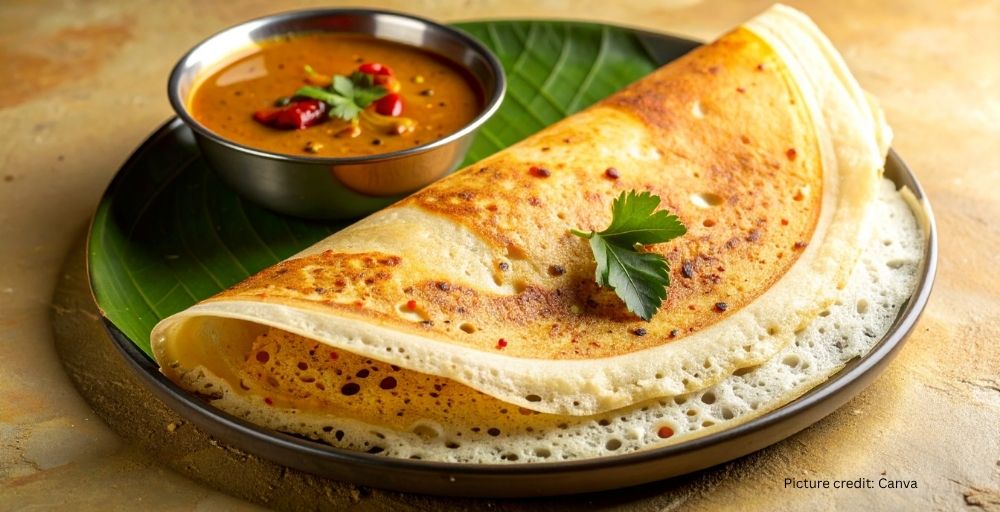
Masala dosa, a traditional South Indian dish, has secured the sixth position in TasteAtlas’s global ranking of pancakes, reflecting its growing international recognition.
In a notable recognition of Indian cuisine, masala dosa has been ranked sixth among the world’s best pancakes by TasteAtlas, a platform dedicated to documenting global food culture. This ranking highlights the increasing appreciation for Indian culinary traditions, as masala dosa is not only a beloved dish in its home country but also gaining traction in international food circles. Furthermore, Indian cuisine as a whole was acknowledged in the same report, earning the 13th position on TasteAtlas’s list of “100 Best Cuisines in the World.”
The rankings were established based on an extensive collection of over 590,000 user ratings from nearly 19,000 dishes, providing a broad perspective of public culinary preferences. Masala dosa achieved an impressive rating of 4.3, placing it alongside other highly regarded savory dishes in the pancake category. This recognition underscores not only the dish’s popularity but also the growing trend of culinary diversity and appreciation for international flavors.
Understanding Masala Dosa
Masala dosa is traditionally prepared by spreading a fermented batter made of rice and lentils on a hot flat surface, resulting in a thin, crispy crepe. The dish is typically filled with a spiced potato mixture, which adds a unique combination of flavors and textures that is both satisfying and nutritious. It is commonly served alongside lentil-based sambar and coconut chutney, which enhance its taste and nutritional profile.
The TasteAtlas ranking also included two other dosa variants: the broader dosa category ranked 15th with a rating of 4.2, while paper dosa, known for its ultra-thin and crispy texture, claimed the 35th position with a rating of 4.1. The inclusion of multiple dosa variants in these rankings reflects a growing recognition and appreciation for Indian cuisine beyond its traditional borders, indicating a shift in dining preferences globally.
Pancake Classification and Global Context
TasteAtlas classifies dosa under the “pancake” category due to its cooking method, which involves batter cooked on a flat surface. However, it is essential to note that dosa significantly differs from the conventional sweet pancakes commonly known in Western cuisines, both in terms of ingredients and flavor profiles. The top five entries in the global pancake list showcase a variety of regional specialties, including Latvia’s kartupeļu pankūkas, different variations of French crêpes, and China’s jianbing. This diversity highlights the rich tapestry of pancake preparations from both European and Asian cuisines. Within this group, masala dosa stands out as one of the few savory, fermented dishes, illustrating its unique position in the global culinary landscape.
The Cultural Significance of Dosa
Widely consumed across India, dosa is often enjoyed as a breakfast item or a snack, celebrated for its versatility and adaptability. The dish boasts numerous regional variations, including Mysore masala dosa, rava dosa, and onion dosa, each offering distinct flavors and preparation styles. This adaptability has contributed to its increasing popularity in Indian restaurants around the world, further solidifying its status as a culinary ambassador of Indian cuisine.
Masala dosa has previously made appearances in various international food rankings, including those published by the Huffington Post, underscoring its recognition as one of the most emblematic dishes of Indian cuisine globally. Its rise in the TasteAtlas rankings not only reflects its culinary merits but also the growing global interest in Indian gastronomy and the cultural narratives surrounding it.
The recognition of dishes like masala dosa serves to foster greater appreciation and understanding of diverse culinary traditions in a world that is increasingly interconnected through travel and cultural exchange. By elevating such dishes to international acclaim, platforms like TasteAtlas play a critical role in promoting cultural heritage and enhancing global dining experiences.
The Impact of Global Rankings
The impact of rankings such as those by TasteAtlas can be profound, influencing dining trends, tourism, and culinary exploration. With a growing number of international travelers seeking authentic culinary experiences, the recognition of masala dosa and similar traditional dishes can encourage a new wave of interest in Indian cuisine. As restaurants and chefs worldwide adapt and incorporate these dishes into their menus, there is potential for increased cultural exchange and appreciation.
Moreover, as international food critics and influencers highlight traditional dishes, there is a concurrent rise in the desire among consumers to explore authentic flavors from different cultures, which can further promote diversity in global cuisine. This shift not only benefits the culinary landscape but also encourages chefs and restaurateurs to innovate while staying connected to their cultural roots.
In conclusion, the recognition of masala dosa in the TasteAtlas rankings is a testament to the dish’s enduring appeal and its ability to transcend geographical and cultural boundaries. As global interest in Indian cuisine continues to rise, masala dosa stands as a symbol of culinary heritage that invites diners around the world to explore the rich flavors and traditions of India.