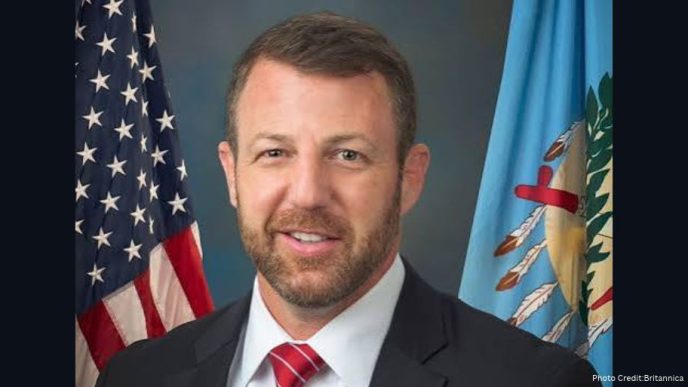

Mary Peltola’s projected victory in Alaska marks a significant milestone for the Democratic Party, solidifying their majority in the Senate with key wins across contested races.
ANCHORAGE, Alaska – Mary Peltola is projected to secure victory in Alaska, adding to a remarkable series of Senate wins for the Democratic Party in the 2026 elections. This victory is part of a broader trend, as Democrats achieved wins in every competitive Senate race they faced, increasing their majority to 56 seats, just four short of a filibuster-proof majority.
The Democratic Party had initially aimed to gain four seats to secure a majority in the Senate. This target appeared ambitious at the start of the year, particularly in states where former President Donald Trump had strong support in the 2024 elections. However, the party not only met this goal but exceeded it, with victories recorded in North Carolina, Maine, Ohio, Texas, Iowa, and Kansas. Among these six races, five were considered toss-ups on election day.
Unexpected Wins in Key States
Democrats also registered a surprising victory in South Carolina, where Annie Andrews defeated Republican Darline Graham, who had assumed the nomination following the death of her brother, longtime Senator Lindsey Graham. This outcome was unexpected, as few anticipated a Democrat could represent South Carolina in the Senate so soon.
Additionally, a recent win in Mississippi saw Scott Colom defeat incumbent Republican Senator Cindy Hyde-Smith in a closely contested race. Colom’s campaign featured innovative digital advertising strategies, including one that humorously addressed Hyde-Smith’s comments about alternative protein sources in the face of rising beef prices. Colom’s ad suggested that voters might consider electing a different senator instead.
In Alaska, as of 94 percent of the vote reported, Peltola was projected to win with 50.12 percent, surpassing incumbent Republican Senator Dan Sullivan, who garnered 45.79 percent. This victory allowed Peltola to avoid the need for ranked-choice voting.
In her victory statement, Peltola emphasized the pressing issues facing Alaskans, stating, “From Juneau to Utqiagvik, the message from Alaskans is clear: the status quo in DC is not working for Alaska. Over the course of this campaign, I’ve spoken with elders in tears about empty fish racks; families struggling to find housing they can afford; and parents in the Bush faced with the impossible choice of heating their homes or putting food on the table. Today we take a monumental step forward in addressing those issues and putting Alaska first.” Peltola is positioned to become the first Native Alaskan to serve in the Senate.
Controversies and Challenges Ahead
Despite the celebratory atmosphere surrounding her campaign, Peltola’s victory was not without controversy. An independent candidate, also named Dan Sullivan, contested the election, leading to speculation about potential connections to Peltola’s campaign, a claim her team has denied. Following the last ballot drop, Peltola outperformed the combined votes of the two Dan Sullivans, but legal challenges regarding the electoral process remain a possibility.
Nevertheless, the Democratic Party is poised to celebrate these significant electoral gains on Wednesday. The victories in Alaska, South Carolina, and Mississippi are seen as pivotal in solidifying a Senate majority that could last for years. Senators elected in these races, along with many others in states won by Democrats, will serve six-year terms, complicating efforts for Republicans to reclaim the Senate majority in the upcoming 2028 and 2030 elections.
Implications for Future Governance
The outcomes of these elections carry substantial implications for the remainder of President Trump’s administration, as well as the political landscape heading into the 2028 elections. Should a Republican candidate win the presidency, they may face a Democratic-controlled Senate, which could hinder their legislative agenda. Conversely, if a Democrat is successful, they will likely benefit from a Senate majority to confirm nominees and advance legislation.
The election night results highlighted several races that had initially been considered toss-ups, yet the significance of these victories cannot be understated. In Kansas, Adam Hamilton’s victory marks the first time a Democrat will serve in the Senate from the state in nearly a century. In Texas, Democrat James Talarico’s win over Republican Ken Paxton represents a historic milestone, as Texas has long been viewed as a challenging target for Democrats. Furthermore, Democrats achieved a significant win in Iowa, a state that has shifted increasingly red in recent years, and in Maine, they successfully unseated long-time incumbent Republican Senator Susan Collins.
Ohio also saw a notable shift, with former Senator Sherrod Brown returning to the Senate two years after his defeat, filling a seat originally won by Vice President Vance when he was a Republican senator. Brown will need to seek re-election in 2028 to maintain his position.