The Kerala government, during the vibrant Athachamayam celebrations, announced plans to designate Thrippunithura as a heritage city, aiming to preserve its rich cultural and historical legacy.
THRIPPUNITHURA, KERALA – In a noteworthy development for regional heritage conservation, Chief Minister V.D. Satheesan announced the government’s intention to officially designate Thrippunithura as a heritage city. This declaration was made during the inauguration of the annual Athachamayam celebrations, a festival that heralds the onset of the Onam season and showcases the town’s rich cultural tapestry.
As Thrippunithura, historically significant as the former capital of the Cochin royal family, prepares for the Athachamayam procession, the town has transformed into a vibrant spectacle filled with colorful decorations, cultural performances, and community festivities. The Chief Minister’s announcement comes at a time when the town’s heritage is not only celebrated but is also at risk of being overshadowed by modernization.
Historical Context of Thrippunithura
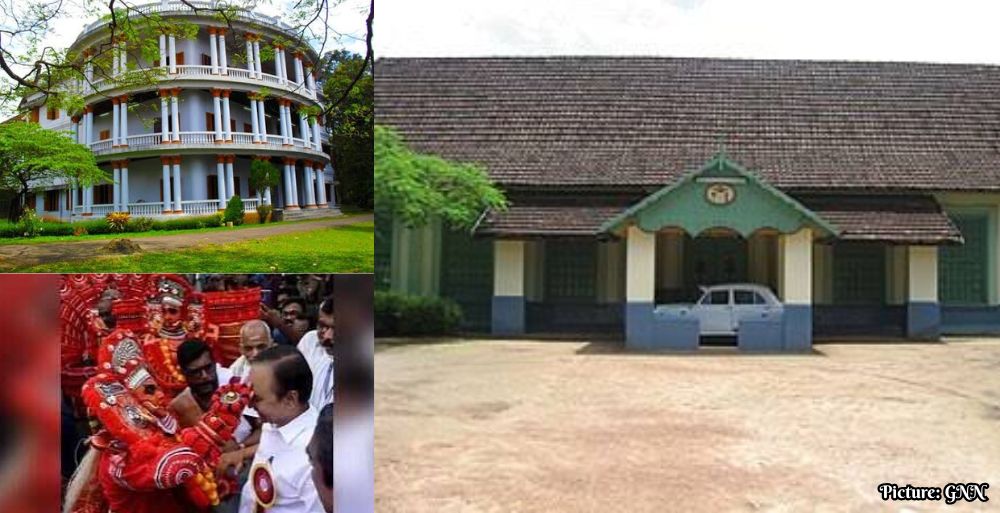
Thrippunithura is steeped in history, being the erstwhile seat of power for the Cochin royal family. The town is famed for its palatial structures, ancient temples, and museums that offer insights into Kerala’s royal past and cultural heritage. Significant landmarks, such as the Thrippunithura Temple and the Hill Palace Museum, serve as reminders of the town’s illustrious history and attract numerous visitors each year.
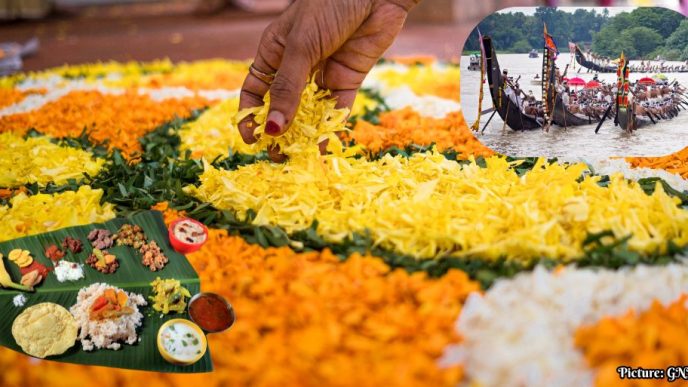
The Athachamayam procession itself is a highlight of Kerala’s cultural calendar, featuring traditional art forms, music, and grand displays with caparisoned elephants. This year’s celebrations not only mark the festival but also signify a renewed commitment to preserving the town’s cultural identity. Chief Minister Satheesan commented, “We aim to explore measures that will help preserve and promote our heritage, ensuring that cultural traditions remain an integral part of our future development.” This statement reflects the government’s recognition of the need for a balanced approach to urban development and heritage conservation.
Cultural Significance and Tourism Potential
The proposed designation of Thrippunithura as a heritage city is expected to significantly enhance conservation efforts for its historic structures and sites. By acknowledging the town’s cultural significance, the government aims to elevate Thrippunithura’s status as a cultural tourism hub, which is essential for the local economy. The rich tapestry of its traditions and history already attracts tourists, and the heritage-city initiative is poised to further solidify its prominence as a destination for those interested in Kerala’s royal heritage and traditional arts.
Tourism experts suggest that this initiative could invigorate local businesses and create new opportunities for artisans and cultural practitioners. Increased tourist activity is likely to stimulate investments in infrastructure and services, enhancing the overall visitor experience and supporting the local economy. Additionally, heritage designation could provide access to national and international funding aimed at preserving cultural sites.
Challenges and Strategies for Preservation
The government’s commitment to preserving Thrippunithura’s heritage comes at a crucial moment when many historic towns grapple with the pressures of urbanization and modernization. The designation of Thrippunithura as a heritage city aims to create a framework that balances new developments with the preservation of the town’s cultural identity. This initiative is part of a broader trend in India where several towns have sought heritage status to protect their historical integrity amidst rapid urban growth.
As the Athachamayam celebrations unfold, the excitement surrounding the heritage-city proposal enhances the significance of the festivities. The event not only celebrates the cultural vibrancy of Thrippunithura but also reflects the community’s pride in its historical identity. It serves as a reminder of the importance of cultural heritage in maintaining community cohesion and identity.
Looking ahead, the government will likely engage with various stakeholders, including local historians, cultural experts, and residents, to formulate a comprehensive heritage management plan. This collaborative approach is essential to ensure that community voices are integral to preservation efforts, fostering a sense of ownership and responsibility towards the town’s cultural assets. Such engagement is vital for the successful implementation of the heritage-city initiative, as it will help align development goals with the aspirations of the local population.
Conclusion
The potential designation of Thrippunithura as a heritage city marks a significant step towards recognizing and safeguarding its historical and cultural importance. With careful planning and active community involvement, this initiative has the potential to enhance the town’s appeal as a cultural tourism destination while ensuring the preservation of its rich legacy for future generations. As Kerala continues to celebrate its traditions and heritage, Thrippunithura stands at the forefront of these efforts, embodying the rich history and cultural depth of the region.