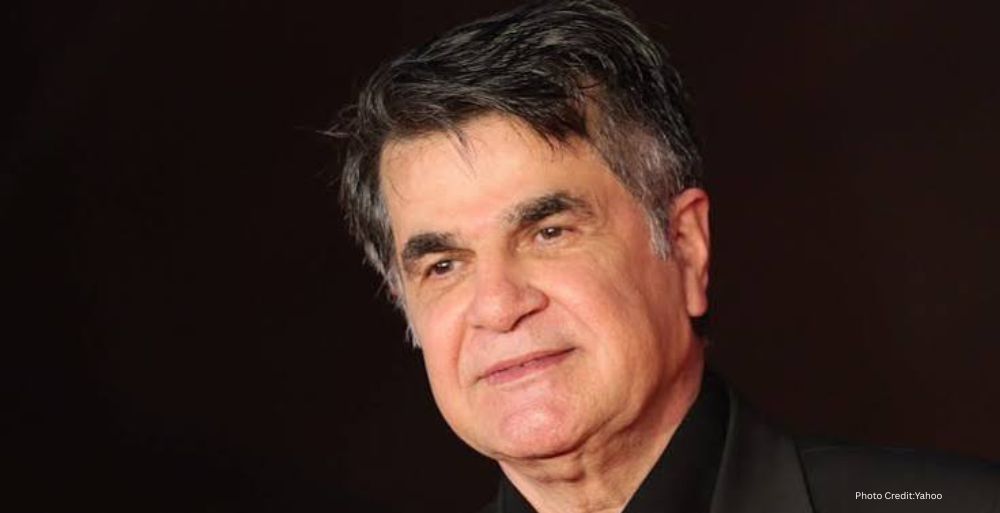
Jafar Panahi, a prominent Iranian filmmaker, has received a five-year and one-month prison sentence from a Tehran Revolutionary Court, marking a serious escalation in his ongoing legal battles with the Iranian authorities.
Tehran, Iran – Jafar Panahi, an internationally renowned Iranian filmmaker and winner of the prestigious Cannes Palme d’Or, has been sentenced to five years and one month in prison by a Tehran Revolutionary Court, according to reports from Emtedad News Agency, a reformist media outlet in Iran. This new sentence is a substantial increase from the previously anticipated one-year jail term stemming from charges related to propaganda against the Iranian state.
Mostafa Nili, Panahi’s attorney, disclosed to Emtedad that the court’s ruling was issued in absentia, meaning Panahi was not present during the proceedings. In addition to the lengthy prison sentence, the court has ordered the confiscation of Panahi’s assets and imposed a two-year ban on his use of social media and travel. The exact charges that led to this latest ruling remain undisclosed, raising serious questions about the transparency and fairness of the judicial process in Iran.
Unfolding Circumstances Leading to the Sentence
Recent developments have further complicated Panahi’s situation. Just last week, reports indicated that his bank accounts had been frozen, prompting him and his lawyer to visit the Tehran prosecutor’s office to seek clarification on the matter. During this visit, they were informed of the court’s verdict. Notably, despite having returned to Iran on March 30, 2026, following his attendance at the Oscars—where his film “It Was Just an Accident” was nominated as France’s candidate for Best International Feature Film—Panahi’s legal troubles have intensified amidst a backdrop of rising tensions in the country.
This visit to Iran came at a time when Panahi was already facing significant risks due to his previous one-year prison sentence, which stemmed from accusations of engaging in propaganda activities against the Iranian government. His return to Iran has drawn attention, especially given the climate of escalating legal and political pressures that artists and activists face within the country. Panahi has expressed a commitment to his homeland, stating, “I am the kind of person who needs to be in his country. I need to breathe there and work there. And even if they want to go ahead with that prison sentence, they can go ahead. Nothing will change my mind about going back.”
Panahi’s History with the Iranian Authorities
Jafar Panahi’s history with the Iranian government is marked by repeated confrontations over the past two decades. In 2010, following his conviction for propaganda against the state, he was issued a ban from filmmaking, speaking to the press, and traveling abroad. This ban did not deter him; Panahi continued to create films through clandestine means, showcasing his determination to pursue artistic expression despite governmental repression.
His activism has not gone unnoticed. In July 2022, Panahi was arrested during protests organized by a coalition of filmmakers advocating for freedom of expression and artistic rights in Iran. After spending approximately seven months in detention, he was released under contentious circumstances. The lifting of his travel ban in April 2023 allowed him to attend the Cannes Film Festival, where he premiered “It Was Just an Accident,” a film that delves into the complex emotions of former prisoners toward a torturous guard, drawing parallels to his own experiences of incarceration.
Broader Implications for Artistic Freedom in Iran
The recent ruling against Panahi underscores the broader implications for artistic freedom and expression in Iran. His case is emblematic of the ongoing struggle faced by artists in a country where government censorship and repression are rampant. Many Iranian filmmakers, writers, and artists have experienced similar harassment, imprisonment, or outright bans when their work challenges state narratives or addresses sensitive social issues.
In recent years, the Iranian government’s crackdown on dissent has intensified, particularly following widespread protests in 2022 that were fueled by various socio-political grievances, including economic hardship and calls for increased freedoms. The response to these protests has often involved heightened scrutiny of artistic communities, with authorities seeking to silence dissenting voices. Panahi’s resilience and continued commitment to his craft serve as a poignant reminder of the precarious position of artists operating under oppressive regimes.
The international community has expressed growing concern regarding the treatment of artists in Iran, with many advocates calling for greater protections for freedom of expression. As Panahi’s situation continues to unfold, it is likely to attract significant attention, both domestically and internationally. Observers will be watching closely to see how this ruling impacts not only Panahi but also the broader artistic community in Iran, which remains under constant threat from government suppression.
In conclusion, the legal challenges faced by Jafar Panahi highlight the critical intersection of art and politics in Iran, where creative expression is frequently stifled by authoritarian measures. His case serves as a rallying point for advocates of artistic freedom and human rights, emphasizing the need for continued vigilance and support for those who dare to speak out against oppression.