On April 27, 2026, Iran presented a proposal to the United States for reopening the Strait of Hormuz, a key maritime route for global oil, as negotiations regarding nuclear issues remain postponed. President Trump is set to convene a meeting to deliberate on this development with his national security team.
On April 27, 2026, Iran, through intermediaries from Pakistan, formally submitted a proposal to the United States aimed at reopening the strategically critical Strait of Hormuz and halting ongoing military hostilities in the region. This information was reported by Axios, which cited a U.S. official alongside two additional knowledgeable sources.
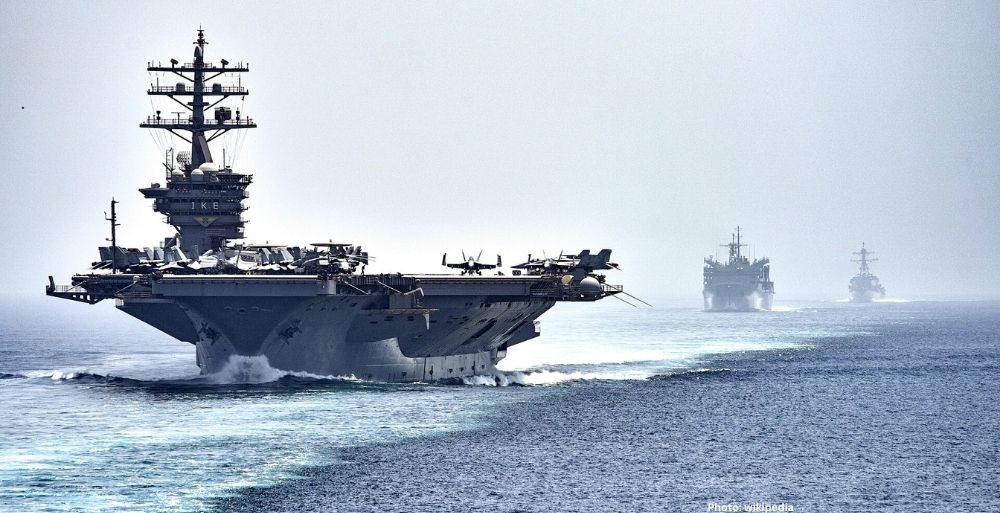
The proposal stipulates that the U.S. must lift its blockade on Iranian maritime assets transiting the Strait, a significant leverage point for the U.S. in negotiations addressing Iran’s nuclear ambitions. President Donald Trump, however, has indicated his intention to maintain the blockade until a comprehensive agreement is finalized with Tehran, underscoring the complexities surrounding this diplomatic overture.
Presidential Response and National Security Implications
In light of Iran’s proposal, President Trump is expected to convene a situation room meeting with top national security and foreign policy advisors to discuss potential responses. This meeting reflects the heightened tensions and strategic considerations that characterize U.S.-Iran relations, particularly in the context of ongoing military engagements and economic sanctions.
During a recent interview with Fox News, Trump articulated concerns regarding the implications of disrupted maritime routes through the Strait of Hormuz, which serves as a conduit for approximately 20% of the world’s oil supply. “When you have vast amounts of oil pouring through your system… if for any reason this line is closed because you can’t put it into containers or ships… what happens is that line explodes from within,” Trump warned, emphasizing the urgency of the current situation. He added, “they say they only have about three days before that happens,” indicating the precarious nature of the Strait’s operational status.
Iran’s Diplomatic Outreach
Iranian Foreign Minister Abbas Araghchi recently concluded a diplomatic visit to Oman, where he engaged in discussions on various bilateral matters and regional developments. Following his talks, Araghchi expressed gratitude to the Omani government for its hospitality and reiterated the importance of ensuring safe navigation through the Strait of Hormuz. “Our neighbors are our priority,” he stated on social media platform X, framing his comments within the broader context of Iran’s diplomatic strategy aimed at fostering regional cooperation amid escalating tensions with the U.S.
Araghchi’s visit to Oman was preceded by meetings with Pakistani officials in Islamabad, further illustrating Iran’s efforts to consolidate support from neighboring countries during a period marked by heightened geopolitical challenges. This diplomatic tour indicates Tehran’s intent to stabilize regional dynamics while U.S.-Iran negotiations remain stalled.
Historical Context and Strategic Importance of the Strait
The Strait of Hormuz is of paramount importance to global energy markets, as it facilitates the passage of a substantial portion of the world’s oil supply. The strategic significance of this waterway is magnified by its role in U.S.-Iran relations, which have been characterized by tension and conflict for decades. The current U.S. blockade on Iranian maritime assets is emblematic of a longstanding strategy aimed at exerting pressure on Iran, particularly related to concerns about its nuclear program.
Iran has faced considerable economic challenges as a result of U.S. sanctions, which have severely limited its ability to engage in international trade and affected its economic stability. By proposing the reopening of the Strait, Iran appears to signal a willingness to negotiate, possibly in an effort to alleviate some of the economic pressures it faces. However, the insistence on lifting the U.S. blockade presents significant hurdles, as it represents a critical component of U.S. leverage in any potential negotiations.
Future Implications for U.S.-Iran Relations
As the situation continues to evolve, the U.S. administration’s response to Iran’s proposal will play a pivotal role in determining the trajectory of U.S.-Iran relations and the broader stability of the region. The outcome of the forthcoming situation room meeting could set a precedent for future diplomatic engagement or further escalation of conflict.
The international community is closely monitoring these developments, as the implications of U.S. actions in response to Iran’s overture could reverberate beyond the region, potentially influencing global oil prices and international relations. The delicate balance of power in the Gulf region hinges on how both nations navigate this complex landscape of diplomacy and military readiness.