The Reserve Bank of India faces challenges as inflation breaches its upper limit of 6%, with rising prices affecting a broad range of goods beyond food.
NEW DELHI – India’s retail inflation surged to 6.09% in October, a significant increase from 5.54% in September, marking the first time in two years that it has surpassed the Reserve Bank of India’s (RBI) upper tolerance limit of 6%. This rise in inflation has raised alarms not only regarding the cost of living but also about the broader economic implications and the potential responses from the central bank.
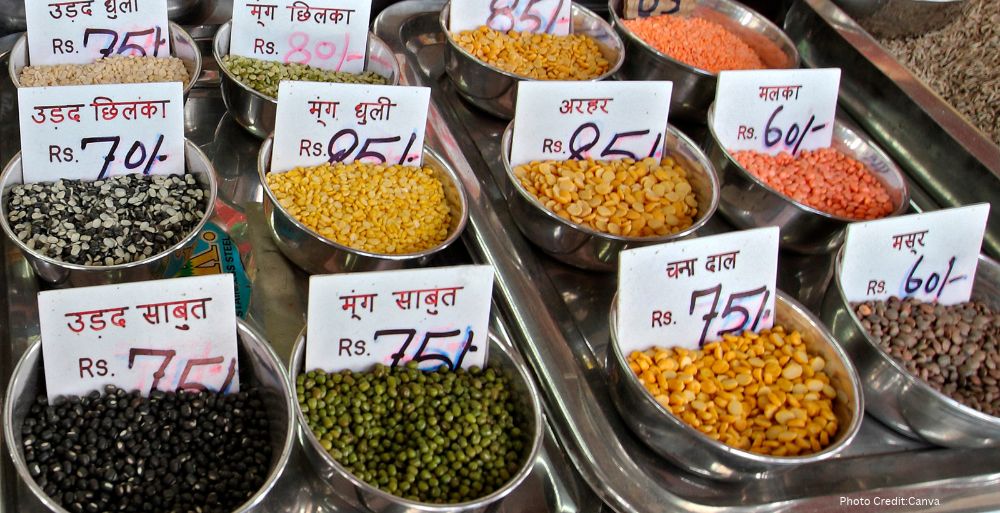
The primary driver of this inflationary pressure remains food, with food inflation climbing to 8.94%, contributing significantly to the overall increase. However, the situation has evolved beyond just rising vegetable and grocery prices, as data indicates a broader swell in inflation across various consumer price index (CPI) sub-groups.
Broader Inflationary Pressures
In October, 19 of the 43 CPI sub-groups recorded inflation rates of 4% or more, a notable increase from 14 sub-groups in September. This shift suggests that inflationary pressures are not confined to food products alone. The RBI has a target inflation rate of 4%, with a tolerance band of 2% to 6%, and the breach of the upper limit is particularly concerning for policymakers.
As households contend with rising prices, the immediate impact is felt in their grocery bills. The price of onions, for instance, has more than doubled compared to a year ago, while garlic inflation has exceeded 60%. Other staples, such as ginger and lemon, also remain costly, exacerbating the financial strain on families, especially those with limited budgets.
The inflationary landscape is uneven, with rural inflation reaching 6.63% in October, compared to 5.41% in urban areas. Rural food inflation stood at 9.09%, higher than the urban rate of 8.68%. This disparity underscores the vulnerability of rural households, which often allocate a larger share of their income to food purchases.
Inflation Hotspots Beyond Food
While food prices remain a significant concern, the latest data from the Ministry of Statistics and Programme Implementation (MoSPI) reveal that some of the fastest price increases are occurring outside the grocery sector. Categories such as restaurants, personal care, and transportation have seen substantial price hikes, creating a more complex inflationary environment.
Unlike temporary spikes in food prices that may be manageable, widespread increases across various essential goods and services can disrupt household budgets significantly. For example, while housing inflation remained relatively stable at 2.90% and health inflation at 2.05%, the broader inflationary trends indicate a more persistent challenge for consumers.
Implications for Monetary Policy
The recent inflation breach arrives at a critical juncture for the RBI’s monetary policy. In October, the central bank raised its repo rate by 25 basis points to 5.50%, signaling a shift towards calibrated tightening. This policy adjustment effectively rules out immediate rate cuts, leaving the options of further rate hikes or a pause on the table.
Experts suggest that the October inflation figures strengthen the case for another rate increase in December. Siddharth Maurya, Founder and Managing Director of Vibhavangal Anukulakara, expressed concern over the inflation trajectory, noting that the rising price levels pose significant challenges for lower- and middle-income households. He indicated that the likelihood of a 25 basis point interest rate hike in December has increased, aligning with expectations from economists surveyed by Reuters.
Future Outlook and Concerns
The immediate worry is whether inflation will stabilize or continue to rise. Some economists predict that inflation could remain above the RBI’s upper tolerance limit for an extended period due to potential weather-related disruptions, ongoing food supply constraints, and the pass-through of higher input costs to consumers.
The RBI faces a delicate balancing act. While higher interest rates can curb demand and help contain inflation expectations, they also make borrowing more expensive. This could hinder household spending and business investment, further complicating economic recovery efforts.
The real challenge for the RBI will be whether food inflation begins to decline before price increases in other categories become entrenched. If food prices remain high while other non-food costs continue to rise, the central bank may find it increasingly difficult to bring overall inflation back within the permissible range.
For households, the next few months may present challenges extending beyond just the cost of groceries. The rising cost of maintaining a standard monthly budget could become a significant concern, impacting overall economic stability and growth.