The introduction of IMAX technology in Indian cinema presents significant opportunities for filmmakers and exhibitors alike, but challenges regarding content creation and financial investment remain critical.
As Indian cinema navigates new technological advancements, SS Rajamouli’s upcoming film, Varanasi, is poised to play a pivotal role in the evolution of the IMAX experience in the country. Starring prominent actors Mahesh Babu and Priyanka Chopra, the film is notable for being one of the first non-English films shot with IMAX-certified digital cameras. This film’s release comes at a time when the demand for premium cinematic experiences, particularly in IMAX format, is on the rise in India.
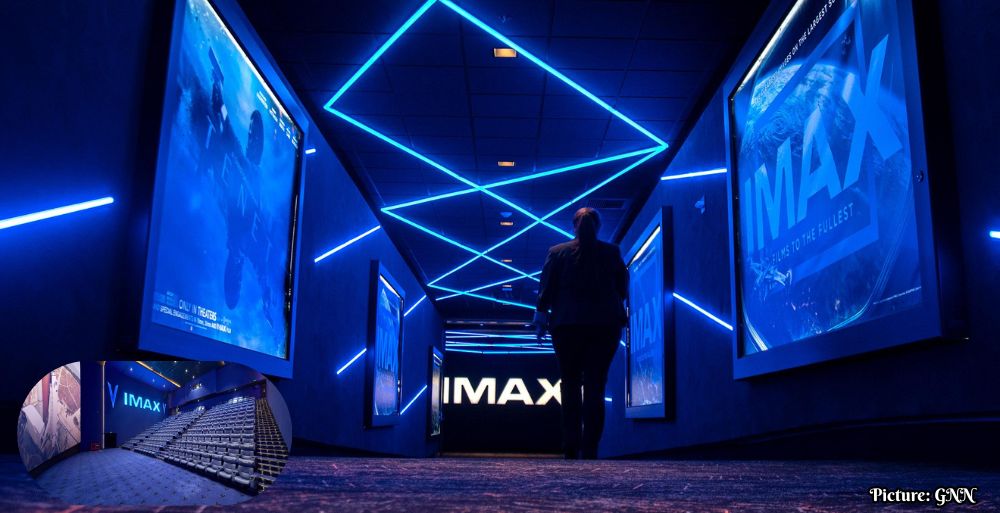
The recent release of Christopher Nolan’s The Odyssey in India highlighted a significant gap in the market: the country currently has only 34 IMAX screens, limiting the availability of this premium viewing experience. Audiences have shown a willingness to pay a premium for the IMAX experience, as evidenced by the success of The Odyssey. However, the limited number of screens raises questions about the future of IMAX in India and the barriers to expanding this format.
The Cost of IMAX Expansion
Sanjeev Kumar Bijli, Executive Director of PVR INOX, articulated the challenges surrounding the expansion of IMAX screens in India during an interview with NDTV. According to Bijli, each IMAX screen requires an investment of approximately Rs 10-11 crore (around $1.2 million to $1.3 million), a substantial financial commitment that not all exhibitors are prepared to make without a predictable return on investment. He noted that while films like The Odyssey perform well, not every Hollywood release guarantees success in the IMAX format.
Bijli emphasized the need for more local content specifically designed for IMAX. He stated, “We need more Hindi and regional filmmakers, that is, Tamil and Telugu filmmakers, to make IMAX-worthy films. If we have more content, then I think we’ll be more comfortable investing in the IMAX format.” This perspective underscores the interconnected relationship between content creation and the financial viability of premium screens.
The Filmmakers’ Perspective
Filmmakers, on the other hand, also face challenges in creating content that justifies the investment in IMAX technology. Namit Malhotra, Global CEO of DNEG and producer of Ramayana, which has been filmed for IMAX, highlighted the necessity of premium cinematic experiences in the current market. He described the situation as a “chicken-and-egg” dilemma: filmmakers need to take risks on premium formats, while exhibitors need to invest in more screens to support this content.
Malhotra noted, “More screens give filmmakers the confidence to make bigger bets, and more IMAX-ready films give exhibitors a reason to invest.” This cyclical relationship illustrates the need for collaboration between filmmakers and exhibitors to foster a thriving IMAX ecosystem in India.
The Financial Viability of IMAX Films
Concerns about the costs associated with filming for IMAX formats have also been voiced by industry veterans. Filmmaker Shekhar Kapur has expressed skepticism about the current affordability of IMAX for standard-budget Indian films, stating, “At this moment IMAX is too expensive for normal budget for Indian films.” However, he remains optimistic about the potential impact of advancing technology. Kapur believes that as the film industry adapts to artificial intelligence and other technological innovations, it may become feasible to produce films in various formats, including both regular and IMAX screens.
“It’s possible to make every film available in whatever format you want – normal screens and IMAX. That technology is here now,” Kapur remarked, suggesting that future advancements could alleviate some financial burdens faced by filmmakers.
The Technical Demands of IMAX Filmmaking
Creating films specifically for IMAX is not merely about enlarging the visual presentation; it necessitates a comprehensive reevaluation of filmmaking techniques. IMAX cameras are significantly heavier than traditional cinema cameras, requiring specialized rigs and trained crews. Furthermore, the loud operation of film-based IMAX cameras may necessitate soundproofing measures during filming.
The demands of framing also increase, as IMAX screens can showcase taller and more expansive images, compelling directors and cinematographers to be meticulous in their visual compositions. Focus and lighting must be precisely managed, as even minor errors can be magnified on a larger screen. The logistical challenges extend to film stock costs and shooting time, necessitating careful planning and execution by filmmakers.
As Varanasi prepares to push these boundaries, Rajamouli stands as a testament to the capability of Indian cinema to think on a global scale. His work may contribute not only to the advancement of IMAX technology in India but also to the creation of a culture where IMAX films are a standard expectation, rather than an exception.
The future of IMAX in India hinges on a dual commitment: filmmakers willing to innovate and take risks on premium formats, and exhibitors prepared to invest in the infrastructure necessary to support these bold creative endeavors. As the industry evolves, the potential for IMAX to become a staple of Indian cinema remains within reach.