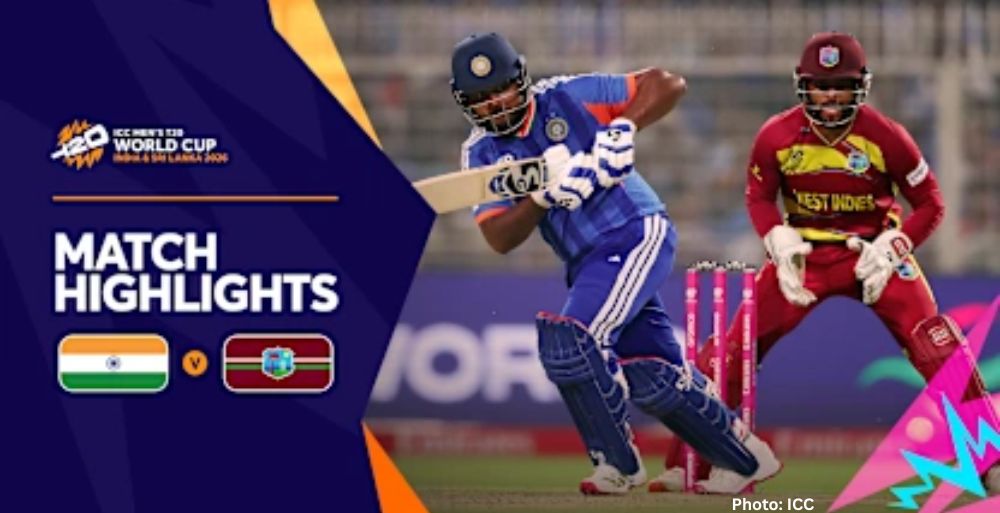
BENGALURU — As anticipation reached a fever pitch across the cricket-enthused nation, the M. Chinnaswamy Stadium played host to the ultimate showdown of the bilateral series between India and the West Indies. With the five-match T20 series locked evenly at 2-2 following dramatic swings in momentum across previous fixtures, the toss took on immense psychological and tactical weight for both coaching staff and leadership groups.
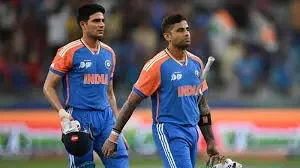
Indian skipper Shreyas Iyer called correctly at the toss and wasted little time in opting to chase, signaling a strategic preference to test the home side’s batting depth under lights. The decision follows a series of encounters where target-setting and scoreboard pressure have heavily influenced match outcomes, most notably during the previous high-scoring thriller in Hyderabad where West Indies squared the series.
Tactical Stability Versus Roster Adjustments
Entering the series finale with everything on the line, the Indian team management opted for complete continuity, naming an unchanged playing eleven from the squad that contested the fourth T20I. The stability reflects a vote of confidence in a lineup featuring explosive openers, a versatile middle order spearheaded by Iyer and Tilak Varma, and a pace-and-spin attack anchored by Arshdeep Singh and Axar Patel.
Conversely, the West Indies introduced two notable changes to their starting composition in a bid to counter India’s tactical versatility. Opening batter Kamil Pooran made way for young prospect Jewel Andrew. Pooran, who initially broke into the international setup on the back of strong performances in the Caribbean Premier League (CPL), struggled to find fluent form during the tour, accumulating just 58 runs across three innings at a strike rate of 145.
Additionally, the visitors welcomed back dynamic all-rounder Romario Shepherd, who recovered in time to bolster the pace-bowling department after missing the third T20I due to an injury. Fast bowler Quentin Sampson made way to accommodate Shepherd’s return.
Pitch Dynamics and Environmental Factors at Chinnaswamy
The build-up to the decisive encounter featured extensive discussions regarding the playing surface and outfield conditions. Grounds authorities at the M. Chinnaswamy Stadium utilized a freshly relaid square, introducing variables that left captains evaluating how the pitch would behave over forty overs of fast-paced cricket.
Furthermore, observations of the outfield indicated that the newly relaid turf lacked the immaculate, uniform smoothness traditionally associated with premier international venues. Analysts noted that minor surface irregularities could induce occasional hesitation among fielders when diving or fielding ground balls under pressure, putting an extra premium on clean execution and safe catching.
Despite these physical uncertainties, both teams walked out to a packed house characterized by deafening applause and a high-voltage atmosphere. The stadium’s legendary acoustics amplified the intensity as the national anthems concluded and players took their positions on the field.
Squad Lineups for the Series Finale
The complete team sheets submitted at the toss underline the depth and tactical variety deployed by both sides for this high-stakes showdown:
- India Playing XI: Abhishek Sharma, Sanju Samson (wk), Ishan Kishan, Shreyas Iyer (capt.), Tilak Varma, Naman Dhir, Nitish Kumar Reddy, Axar Patel, Prince Yadav, Mayank Yadav, and Arshdeep Singh.
- West Indies Playing XI: Shai Hope (capt. & wk), Jewel Andrew, Shimron Hetmyer, Rovman Powell, Sherfane Rutherford, Romario Shepherd, Roston Chase, Shamar Springer, Keemo Paul, Shamar Joseph, and Gudakesh Motie.
With the series deadlocked, analysts anticipated a fierce tactical battle in the powerplay overs, where India’s aggressive batting approach would collide directly with the West Indies’ renewed pace attack. As the first legal delivery was bowled, the culmination of weeks of strategic planning hung in the balance, with both nations vying to lift the prestigious bilateral trophy.