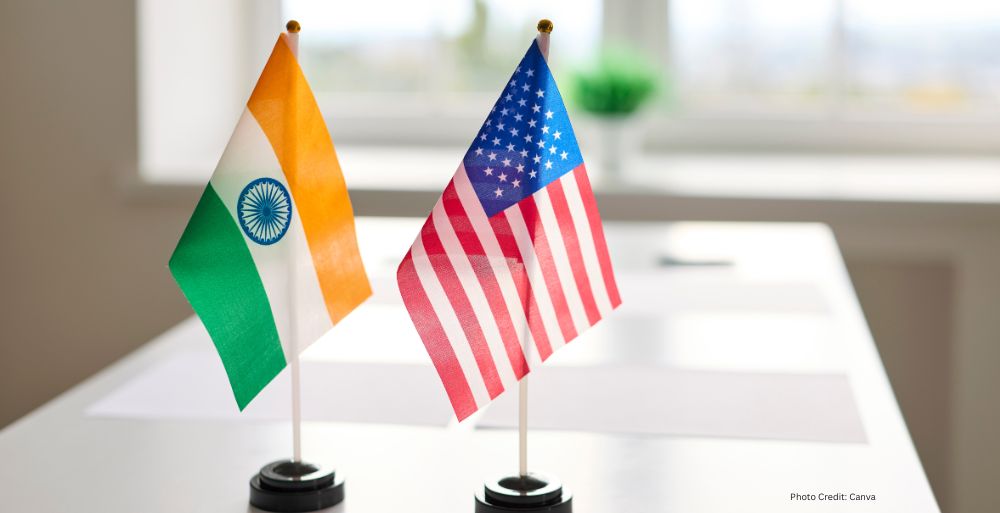
India’s Ministry of External Affairs questions the U.S. Commission on International Religious Freedom’s silence on hate crimes against the Indian community, emphasizing its diplomatic practices.
NEW DELHI – In a press briefing on November 10, 2023, India’s Ministry of External Affairs (MEA) spokesperson Randhir Jaiswal publicly defended the nation’s ongoing diplomatic engagement with lobbying firms in Washington, D.C. Simultaneously, he criticized the U.S. Commission on International Religious Freedom (USCIRF) for what he described as the commission’s silence regarding hate crimes and attacks against the Indian community in the United States. This exchange reflects the continuing tensions between the Indian government and the USCIRF, which is a U.S. government-funded body responsible for monitoring religious freedom worldwide.
During the briefing, Jaiswal labeled the USCIRF a “biased organization with a political agenda.” He asserted that the commission has repeatedly failed to address significant incidents involving attacks on religious sites and racial abuse directed towards Indians in the U.S. He stated, “As I have said before, the USCIRF is a biased and ill-informed organization with a blatantly political agenda. It is particularly telling that the USCIRF and its Commissioners have consistently chosen to remain silent on attacks on religious places in the U.S. and on the hate crimes and racial abuse targeted at the Indian community in the U.S. A prejudiced entity can hardly be taken seriously.”
Historical Context of Lobbying Practices
Jaiswal’s remarks come as part of a broader defense of India’s historical engagement with lobbying firms in Washington, which spans back to 1948. This practice is positioned as a normal diplomatic approach aimed at facilitating communication with various U.S. stakeholders, including the administration and members of Congress. Jaiswal emphasized that all engagements are conducted in alignment with U.S. laws, specifically the Foreign Agents Registration Act (FARA), which mandates that lobbying firms publicly disclose their activities. He stated, “Such engagements are undertaken in accordance with the applicable U.S. laws, including the Foreign Agents Registration Act (FARA), under which the activities of these firms are publicly disclosed.” This historical context highlights India’s long-standing efforts to maintain a robust presence in U.S. policymaking circles.
India’s Position on the Russia-Ukraine Conflict
In addition to addressing the criticisms aimed at the USCIRF, Jaiswal discussed India’s diplomatic stance regarding the ongoing conflict between Russia and Ukraine. He reaffirmed that dialogue and diplomacy are essential pathways to achieving peace in the region. India has maintained a balanced approach, engaging with both Moscow and Kyiv to support international efforts aimed at ending the conflict. Recently, Prime Minister Narendra Modi communicated with Ukrainian President Volodymyr Zelenskyy, where they discussed the humanitarian implications of the war and potential pathways to restoring peace.
Jaiswal remarked, “The Prime Minister reiterated India’s firm commitment to contributing in every possible way towards a peaceful resolution.” He also noted that External Affairs Minister S. Jaishankar has engaged with Russian Foreign Minister Sergey Lavrov to explore diplomatic solutions, addressing issues related to safety in the Black Sea, food security, and energy exports. “On the issue of the food corridor, we have exchanged ideas. India remains in touch with both sides, as well as other interested parties, to contribute towards the return of peace to the region,” he added, reflecting India’s proactive role in international diplomacy.
Concerns Over Disinformation and Image Distortion
Furthermore, Jaiswal responded to reports alleging that Chinese influencers have been misrepresenting parts of Dhaka, Bangladesh, as Delhi in their content. He called such attempts unfortunate, suggesting they could undermine the credibility of those involved. He urged the appropriate authorities to take action against these efforts, saying, “Such efforts to present a distorted picture of any country are unfortunate. In so far as efforts by foreign elements to portray parts of Dhaka as Delhi are concerned, peddling of false narratives only undermines the credibility of the actors involved and those behind them in such an exercise.” This comment underscores India’s concern over how its image is portrayed internationally and the potential ramifications of disinformation in the age of social media.
India-U.S. Relations Amid U.S. Midterm Elections
When questioned about the U.S. midterm elections, Jaiswal refrained from offering comments, emphasizing that the electoral process is an internal matter for the United States. However, he highlighted the strong bipartisan support for the India-U.S. relationship, stating, “The India-United States relationship enjoys strong bipartisan support in the U.S. We continue to work to further strengthen our Comprehensive Global Strategic Partnership with the U.S.” This statement indicates India’s strategic approach to maintaining and enhancing its relations with the United States, particularly amid a politically charged environment in Washington.
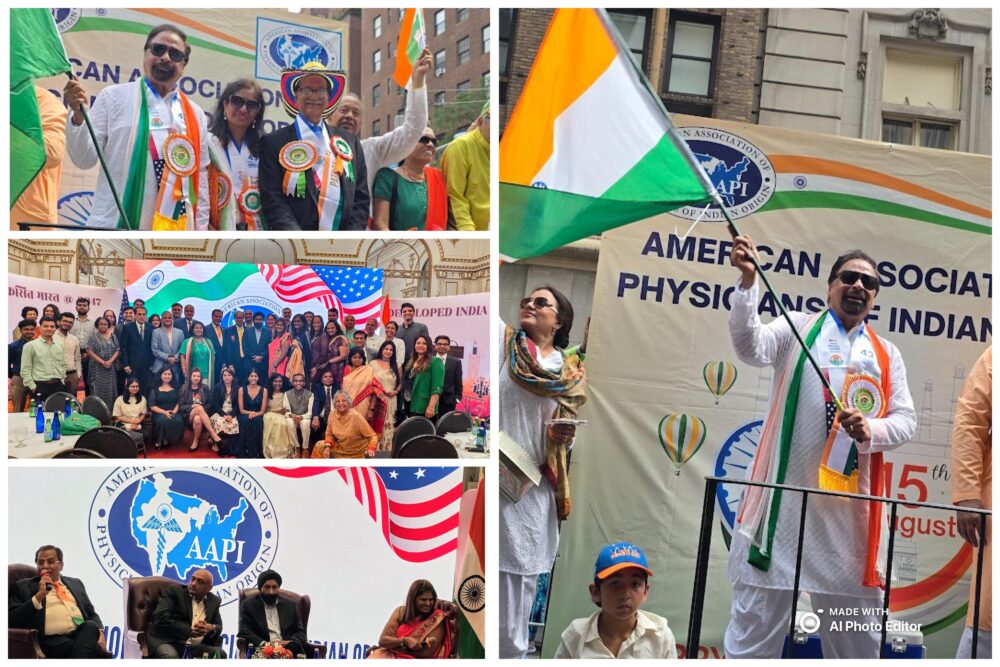
India’s remarks come at a time of heightened scrutiny regarding how the Indian government navigates its international relations, especially concerning its diaspora in the United States and its engagement with foreign lobbying firms. As both nations continue to face various geopolitical challenges, including regional security issues and economic cooperation, India’s diplomatic strategies and their implications remain a critical area of focus for analysts and policymakers alike. The ongoing dialogue between the two nations, particularly in light of India’s criticism of the USCIRF and its engagement in global conflicts, underscores the complexities of international relations in an era defined by rapid change and uncertainty.