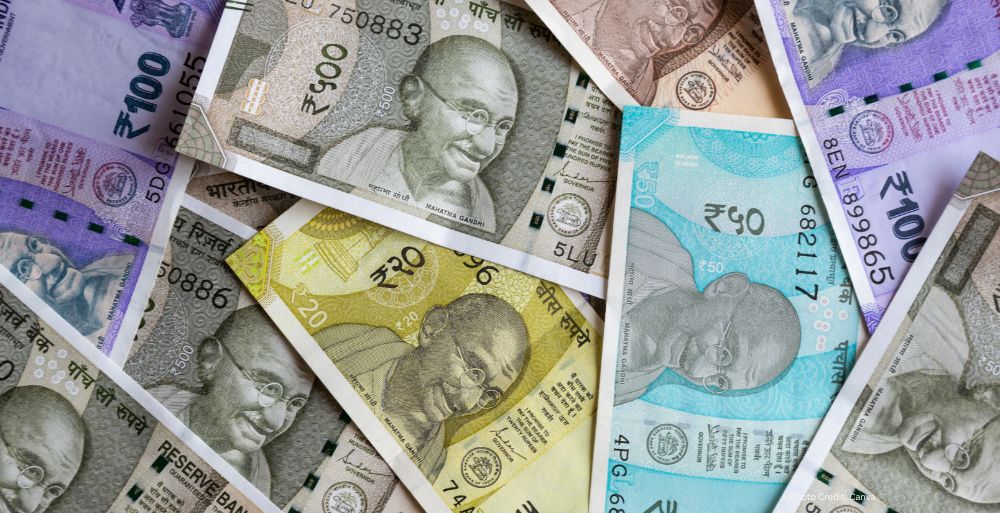
The International Monetary Fund has called on India to implement more flexibility in its currency exchange rates, arguing that such a shift would better position the nation to absorb global economic shocks.
The International Monetary Fund (IMF) has urged the Indian government to allow the Indian Rupee to operate with greater flexibility in response to international market fluctuations. The recommendation is particularly relevant as the Reserve Bank of India (RBI) continues to intervene in foreign exchange markets to stabilize the currency. Krishna Srinivasan, the director of the IMF’s Asia and Pacific Department, made these statements during a press conference in Mumbai on Wednesday.
During the briefing, Srinivasan emphasized the importance of allowing currencies to respond naturally to market forces, particularly in the face of ongoing global economic challenges. He stated, “Countries which allow exchange rates to move have benefited more,” indicating that a flexible exchange rate could serve as a crucial mechanism for absorbing external pressures. Although he did not directly name the RBI, his remarks resonated with ongoing discussions regarding India’s monetary policy approach.
Context of Forex Market Interventions
The RBI has a longstanding practice of intervening in forex markets to prevent excessive volatility in the value of the Rupee, a strategy often aimed at maintaining economic stability during crises or periods of uncertainty in the global economy. However, Srinivasan argued that such interventions offer limited advantages beyond the immediate term and may ultimately impede the currency’s capability to act as a buffer against external shocks. This perspective reflects a growing consensus among economists that allowing for more flexibility could enhance resilience.
As of October 2023, the Indian economy is facing several challenges, including rising inflation rates and fluctuating commodity prices, exacerbated by geopolitical tensions and ongoing supply chain disruptions. The IMF has previously forecasted that the Indian economy is expected to grow at 6.3% in the fiscal year 2023-24, but these projections hinge on effective monetary and fiscal policies. The Indian government has been tasked with navigating these headwinds while maintaining economic stability.
Historical Perspective on Currency Flexibility
Historically, many countries that embraced flexible exchange rates have reaped benefits in terms of economic resilience. For example, during the late 1990s Asian financial crisis, countries like Thailand and Indonesia that allowed their currencies to float recovered more robustly than those that adhered to fixed exchange rate regimes. The IMF’s stance aligns with this historical perspective, suggesting that flexibility can enhance a country’s capacity to withstand shocks from global markets.
The RBI’s interventions typically involve the buying and selling of foreign currencies to influence the Rupee’s value. While these actions can provide temporary relief from volatility, the IMF’s position indicates that such measures may not adequately address underlying economic vulnerabilities. By allowing the currency to adjust naturally, the market-driven responses could ultimately lead to a more stable economic environment.
Implications for India’s Monetary Policy
The IMF’s recommendations arrive at a critical juncture for India’s economic policy, as the country grapples with both domestic and international challenges. The RBI has been particularly vigilant in its monetary policy approach, especially as inflationary pressures persist. Current inflation rates in India have hovered around 6-7%, raising concerns about consumer purchasing power and overall economic health.
If India opts to adopt a more flexible exchange rate policy, it may need to brace for short-term fluctuations in the value of the Rupee. Such a transition would likely involve substantial adjustments in monetary policy and may require the RBI to establish a clearer framework for managing forex volatility. Furthermore, effective communication with markets would be essential to build confidence in this new approach.
The Future of the Indian Rupee
As the IMF advocates for greater flexibility in exchange rates, India’s policymakers are faced with a pivotal decision. Balancing the need for currency stability with the potential benefits of allowing the Rupee to respond to global market dynamics may significantly influence the country’s economic trajectory in the coming years. The success of such a strategy will depend on the government’s ability to implement comprehensive economic reforms and maintain investor confidence in the Indian economy.
In addition to potential adjustments in exchange rate policy, the Indian government must consider the broader implications of its monetary policy on trade, investment, and overall economic growth. A more flexible exchange rate could facilitate better alignment with global economic conditions, potentially enhancing India’s competitiveness in international markets.
Conclusion
As discussions around foreign exchange interventions and currency flexibility continue, the RBI and Indian policymakers have an opportunity to reassess their strategies in light of the IMF’s recommendations. A shift toward a more flexible exchange rate could not only help the Rupee absorb external shocks but also contribute to long-term economic stability and growth. The coming months will be critical as India navigates these complex challenges, balancing the dual objectives of stability and responsiveness in its economic policy.