A potential merger between Elon Musk’s SpaceX and Tesla could create the largest merger in history, with both companies valued at a combined total of approximately $3.5 trillion.
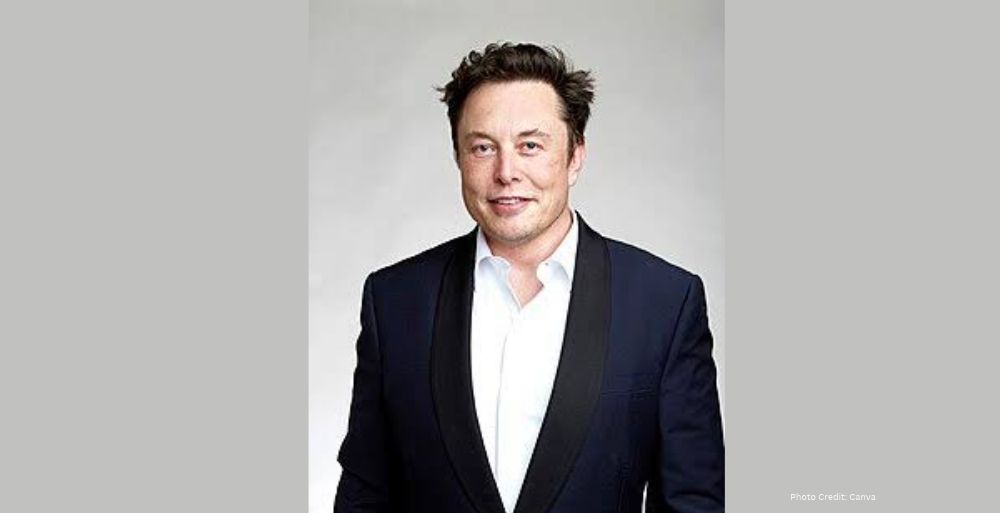
Elon Musk, the chief executive of both SpaceX and Tesla, has confirmed that discussions about a merger between the two companies are actively taking place. In a press conference on Tuesday, Musk responded affirmatively when asked if a merger would be beneficial, stating, “Yes.” He elaborated that special committees have been established to evaluate the potential deal, although he emphasized that no agreements have been finalized and that the outcome remains uncertain.
Currently, Tesla is valued at approximately $1.5 trillion (£1.1 trillion), while SpaceX’s valuation stands at about $2 trillion. If realized, this merger would set a record as the largest merger in corporate history, surpassing past deals such as the $165 billion merger between AOL and Time Warner in 2000. However, any potential merger would require substantial backing from Tesla’s shareholders, a necessary hurdle Musk himself referred to as a “quite a high hurdle.” Although Musk is a significant shareholder, he is precluded from participating in direct discussions with shareholders regarding the merger.
Market Reactions and Expert Opinions
Despite the challenges of securing shareholder approval, some analysts express optimism regarding the merger’s feasibility. David Nicholson, chief technology advisor at the market research firm The Futurum Group, stated, “In my opinion, 100%. It’s just a question of when.” Investment analyst Dan Sheehan from Telos Wealth Advisors echoed this sentiment, indicating that shareholders might be inclined to support the merger due to the complementary nature of the technologies developed by both companies. He noted, “The technology the companies develop complement each other,” suggesting that a merger could enhance both companies’ positions in the market.
However, Sheehan cautioned that Tesla shareholders might end up with a “smaller slice of a much larger and more complex business.” He added, “There’s no real precedent for how a public company like Tesla gets priced in this,” highlighting the complexities involved in merging two such high-value firms. Following Musk’s announcement, shares of SpaceX increased by 8% in after-hours trading, while Tesla’s shares rose by 2%, indicating positive market sentiment regarding the potential merger.
Implications for Customers and Product Development
Experts also weighed in on what a merger might mean for Tesla customers. Many believe that immediate changes to Tesla vehicles are unlikely, even if the merger proceeds. Nicholson suggested that vehicles may become “an afterthought” compared to the potential synergies between Tesla and SpaceX’s technological capabilities. Earlier this year, Tesla announced a shift in its production strategy, prioritizing the Model Y and Model 3 while redirecting some resources toward manufacturing humanoid robots, known as Optimus.
The integration of Tesla’s self-driving technology and robotics with SpaceX’s AI and satellite systems could lead to significant advancements in vehicle capabilities. As Sheehan pointed out, “The question is how much priority cars get inside a company increasingly driven by AI infrastructure.” Recent showcases of Tesla’s Roadster have hinted at potential incorporation of SpaceX technology into future Tesla products, which may enhance customer attraction and engagement.
Elon Musk’s Strategic Interests
For Musk, the merger represents an opportunity to consolidate his influence over the combined entity. As the world’s richest individual and the first trillionaire, a merger would grant him greater voting control than he currently possesses at Tesla. Analysts suggest that a unified company would streamline Musk’s ability to implement his AI strategy effectively. Sheehan noted, “The deal itself doesn’t add to Musk’s wealth, but it concentrates it further in one stock.” This concentration could provide Musk with enhanced strategic power as he navigates the rapidly evolving technological landscape.
However, such a move could also attract increased scrutiny over Musk, who has already become a polarizing figure in the U.S. political landscape. The potential merger may encounter additional regulatory challenges, particularly if Democrats, who have historically expressed criticism of Musk’s business practices, gain more influence in the upcoming midterm elections. Shareholders have backed Musk’s initiatives in the past; for instance, last year, Tesla investors approved an unprecedented compensation package for Musk valued at around $1 trillion.
Nicholson remarked, “I honestly don’t think Musk will be keeping track of what the merger will do for his wealth.” Instead, he suggested that the merger aligns with Musk’s broader ambitions, including his long-term goal of colonizing Mars, a vision Musk has consistently articulated through both SpaceX and Tesla. By merging these two companies, Musk could potentially enhance his ability to drive innovation in both the automotive and aerospace industries, ultimately bringing him closer to achieving his audacious objectives.