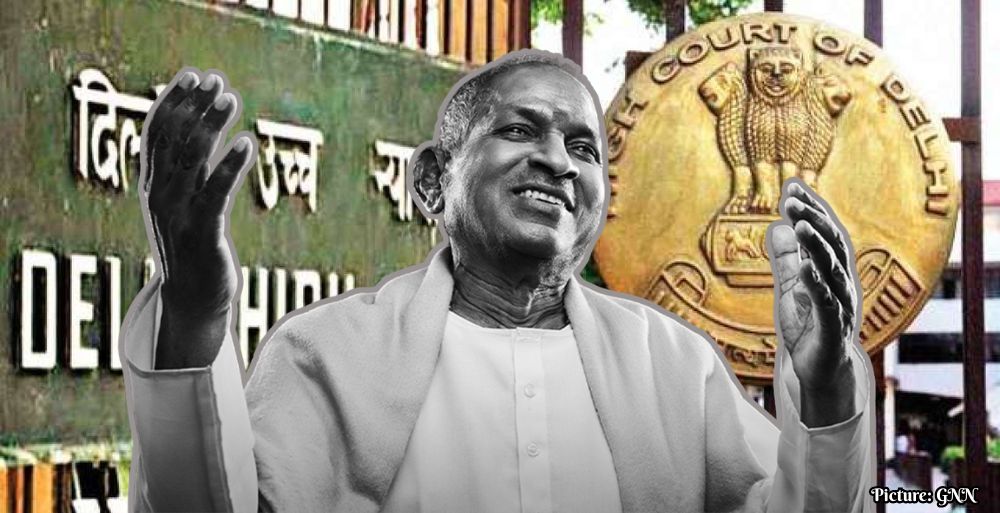
The Delhi High Court has ruled in favor of Saregama India Ltd., restraining composer Ilaiyaraaja from broadcasting songs from 134 films, affirming the distinction between musical composition and sound recording copyrights.
The Delhi High Court delivered a significant ruling on July 1, 2026, in a copyright dispute involving the prominent music label Saregama India Ltd. and renowned composer Ilaiyaraaja. The court’s decision prohibits Ilaiyaraaja from broadcasting or communicating songs associated with 134 films dating back to 1976 until further notice. Justice Tushar Rao Gedela emphasized that while Ilaiyaraaja retains copyright over the musical compositions he created, these rights do not extend to the sound recordings embedded in the films, which are owned by the producer, Saregama.
Background of the Dispute
The conflict originated from two copyright infringement lawsuits filed by Saregama against Ilaiyaraaja and Black Madras Films, a related entity. The music label asserted that from 1976 to 2001, it entered into assignment agreements with various film producers, acquiring copyrights for both the sound recordings and the underlying literary and musical works featured in these films. Saregama claimed to have consistently commercialized these rights since their acquisition.
The dispute intensified when Saregama discovered in February 2026 that Ilaiyaraaja had allegedly uploaded the same sound recordings to various digital platforms, including Amazon Music, Apple Music, JioSaavn, and Spotify, while asserting ownership of these works. Furthermore, Saregama accused Ilaiyaraaja of licensing the song “Naguva Nayana” from the 1980 Kannada film Pallavi Anupallavi to Black Madras Films for use in the film Mask, despite Saregama’s claims of ownership over the recording.
Legal Framework
The Copyright Act of 1957 delineates various types of copyrights applicable to different components of a song. A musical work refers to the composition or melody crafted by the composer, while a sound recording encompasses the performance that integrates music, lyrics, and vocals. These elements are recognized as distinct copyrighted works.
According to Section 17 of the Act, the initial owner of copyright is generally the author. In this context, the composer is considered the author of a musical work, while the producer is identified as the author and first owner of a cinematograph film. Given that a cinematograph film includes its corresponding soundtrack, the producer typically holds the copyright for the sound recording.
Additionally, Section 13(4) clarifies that copyright in a cinematograph film or sound recording does not influence the separate copyright in the underlying works. This provision allows a composer to maintain copyright over the musical composition, even if the producer possesses the copyright for the sound recording included in the film.
The Supreme Court of India, in the case of Indian Performing Right Society Ltd. v. Eastern Indian Motion Pictures Association (1977), established that a producer could override a composer’s rights when the music was created as a supplementary component to the film. The court reiterated that a composer could only claim copyright in their work if an explicit agreement exists between them and the film’s owner reserving their copyright.
Details of the Court’s Ruling
In its ruling, the Delhi High Court articulated that Ilaiyaraaja possesses rights solely concerning the musical composition of the songs, excluding the lyrics and sound recordings. The judgment highlighted that the indelible rights of ownership and authorship, as conferred by the Copyright Act, rest initially with the producer and subsequently with Saregama through various assignment deeds executed by the producers with the label.
The court concluded that the producer of a cinematograph film is the copyright owner of the sound recording integrated into that film. As such, Ilaiyaraaja’s rights are limited to the musical composition alone. The judgment specified, “musical composition and cinematograph film are two separate and distinct works.” It further clarified that once a sound recording is incorporated into a film, it becomes part of that film, granting copyright ownership to the producer.
Consequently, the Delhi High Court approved Saregama’s request for an interim injunction, which restricts Ilaiyaraaja from broadcasting or communicating the disputed songs through online platforms, including Amazon Music and JioSaavn, while the case is ongoing or until further orders are issued. The court noted, “Since there is no denial to the broadcasting of songs which are subject matter of the suit referred cinematograph films, the defendant/Ilaiyaraaja, prima facie, appears to be indulging in acts which would tantamount to infringement.”
The ruling encompasses an extensive catalog of 134 films, featuring notable titles such as Annakkili (1976), 16 Vayathiniley (1977), Mullum Malarum (1978), Netrikkann (1981), and Raaja Paarvai (1981). This decision underscores the ongoing complexities surrounding copyright ownership in the Indian film industry.