A contentious debate surrounding new voting legislation is heating up as the midterm elections approach, with implications for voter access and election integrity.
As the midterm elections approach, a significant debate has emerged over newly proposed voting legislation that could reshape the electoral landscape in the United States. The legislation, introduced by a coalition of Democratic lawmakers, aims to expand voter access while implementing stricter regulations on voter identification amidst growing concerns about election security and allegations of voter suppression.
The proposed bill, known as the Freedom to Vote Act, seeks to establish automatic and same-day voter registration, enhance accessibility for voters with disabilities, and require states to offer at least 15 consecutive days of early voting. Furthermore, it mandates that all voting machines be equipped with paper ballots and undergo regular audits to ensure election integrity.
Context and Historical Background
Historically, voting rights have been a contentious issue in the United States. The Voting Rights Act of 1965 was landmark legislation aimed at overcoming legal barriers that prevented African Americans from exercising their right to vote. Despite significant progress, various states have enacted laws that critics argue disproportionately impact minority voters. The reauthorization of the Voting Rights Act has faced significant political hurdles in recent years, leading to renewed calls for comprehensive voting reform.
According to a report by the Brennan Center for Justice, over 400 bills aimed at restricting voting access were introduced in state legislatures across the country in 2021, with some measures enacted into law. These developments have fueled a nationwide debate about the balance between securing elections and ensuring access to the ballot box, highlighting a growing divide in public sentiment.
Current Legislative Landscape
As of now, several states have adopted laws requiring voters to present identification before casting their ballots, while others have made it easier to vote by mail. Proponents of stricter voter ID laws argue that these measures are essential for preventing fraud, citing instances of alleged electoral misconduct. In contrast, opponents contend that these laws disproportionately disenfranchise marginalized groups, including low-income individuals and people of color.
Senator Amy Klobuchar, a lead sponsor of the Freedom to Vote Act, emphasized the importance of making voting accessible to all Americans. She stated, “In a democracy, we should be working to make it easier for people to vote, not harder. This legislation is about ensuring that every American has access to the ballot box, no matter where they live or their circumstances.” Klobuchar’s remarks echo a broader Democratic narrative that seeks to position the party as a champion of voting rights.
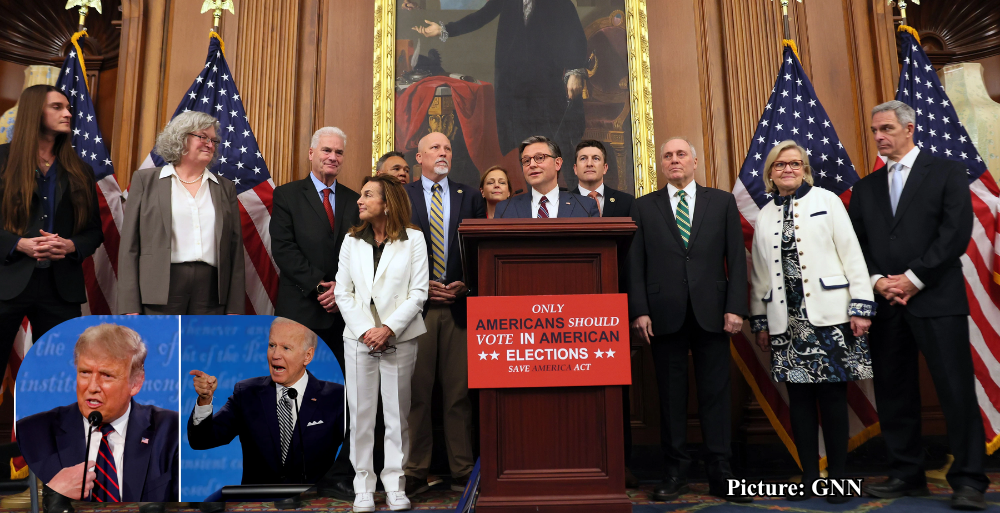
Conversely, Republican lawmakers have expressed strong opposition to the bill, arguing that it undermines state control over elections. House Minority Leader Kevin McCarthy criticized the legislation, stating, “This bill is a federal takeover of our elections and will lead to more chaos and confusion at the polls.” This rhetoric reflects a broader Republican strategy to frame the legislation as an overreach of federal authority, appealing to party constituents who prioritize state sovereignty.
Public Sentiment and Implications
Public opinion on voting legislation remains divided along partisan lines. A recent poll conducted by Gallup indicates that 62% of Americans believe that voting access should be expanded, while 35% express concern about potential voter fraud. This survey highlights the ongoing debate about the integrity of elections, which has been exacerbated by misinformation about the electoral process and claims of widespread fraud made by some political leaders.
As the midterms approach, the implications of this legislative battle could be significant. Experts suggest that the outcome of the voting legislation debate may influence voter turnout, particularly among demographic groups that are historically underrepresented in elections. Voter participation rates among young people, minorities, and low-income individuals have consistently lagged behind those of white, affluent counterparts, raising concerns about equity in the electoral process.
Furthermore, the push for expanded voting rights is not merely a matter of policy but also a crucial component of the broader ideological struggle between Democrats and Republicans. With control of Congress at stake, both parties are mobilizing their bases around the issue of voting rights, making it a central theme in campaign strategies leading into the elections. This legislative battle could serve to galvanize voters on both sides, potentially reshaping turnout dynamics.
Looking Ahead
As lawmakers prepare for a critical vote on the Freedom to Vote Act, the coming weeks will be pivotal in determining the future of voting rights in the United States. Observers are closely monitoring the negotiations, as the potential passage of this legislation could mark a significant shift in how elections are conducted and how accessible the voting process is to the American public.
The outcome of this debate will likely resonate beyond the midterms, influencing future election cycles and shaping the ongoing conversation about democracy and representation in the United States. With advocacy groups on both sides of the aisle actively engaging voters, the stakes are high as the nation approaches another critical electoral moment.