
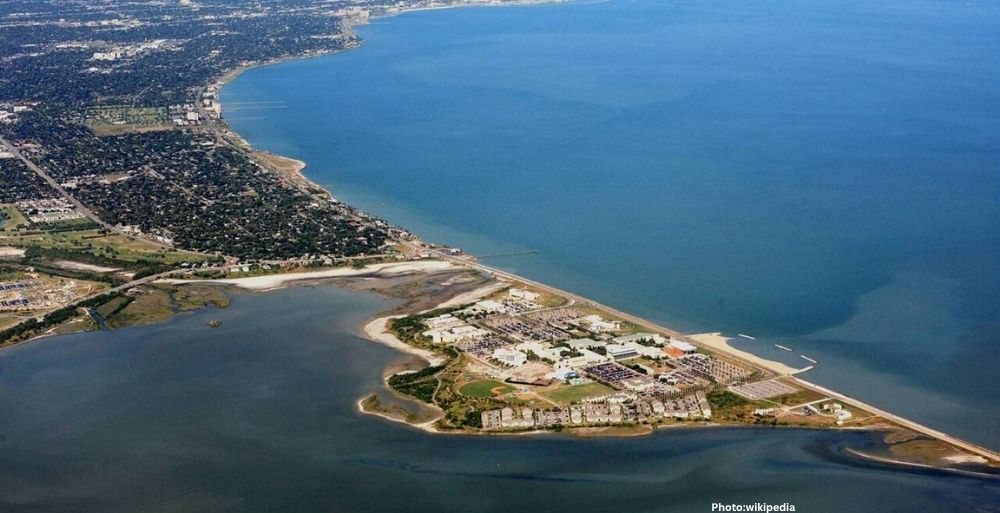
Corpus Christi, Texas, is on the verge of becoming the first major U.S. city to completely run out of water due to a severe drought and inadequate water management practices, prompting significant reductions in water consumption.
Corpus Christi, Texas, a city with a population of over 500,000, is teetering on the brink of a water crisis that could see it become the first major city in the United States to completely deplete its water supply. This alarming situation arises in the context of a prolonged drought that has persisted for over five years, compounded by what experts describe as inadequate water management and planning.
According to a report from Inside Climate News, city manager Peter Zanoni announced on Monday that the city will implement a mandatory reduction in overall water consumption by 25 percent, which translates to nearly 16 million gallons a day, effective as soon as September. This unprecedented measure aims to conserve the dwindling water reserves in the city’s reservoirs, which are nearing empty.
“We have no precedent to follow. There’s no manual, there’s no video,” Zanoni stated during a city council meeting, underscoring the unprecedented nature of the challenges facing Corpus Christi. The lack of a clear plan for how to achieve these cuts raises significant concerns regarding the potential impacts on residents, schools, hospitals, and local businesses that rely heavily on water for their operations.
Impact on Local Businesses and Residents
Local businesses are already expressing uncertainty about how these water restrictions will impact their operations. A spokesperson for H-E-B, a major grocery chain that operates the largest bakery in Corpus Christi, indicated to Climate News, “We don’t have enough information from the city to make a statement on how we would proceed or how this would affect our business.” This uncertainty highlights the broader implications of the water crisis for the local economy and community services.
The effects of the impending water shortages are likely to be felt across various sectors. Schools may face challenges in maintaining hygiene standards, hospitals could encounter difficulties in providing essential services, and households will need to adapt to significant changes in water availability. The potential for a complete depletion of water resources not only jeopardizes the daily lives of residents but poses substantial risks to the broader economic stability of the region.
Historical Context and Future Implications
The warnings regarding water scarcity in South Texas have been mounting for decades. The region, characterized by its dry climate and increasing temperatures attributed to climate change, has faced significant challenges in maintaining its water supply. Historical patterns indicate that without substantial changes in water management and conservation strategies, cities like Corpus Christi are at risk of facing dire water shortages.
Shannon Marquez, a professor at the Columbia Water Center, has warned that the challenges facing Corpus Christi could serve as a precursor to similar crises across the United States if proactive measures are not taken. “What we’re seeing in Corpus Christi is really not an isolated crisis,” Marquez stated. “It’s very consistent with how things are going to unfold if we don’t start to plan.” This assertion emphasizes the urgency for comprehensive water management strategies that take into account the realities of climate change and increased corporate water use.
As the eighth largest city in Texas, Corpus Christi plays a vital role in the state’s economy, serving as a hub for industrial activities, including chemical plants and oil facilities. The potential for complete depletion of water resources could have far-reaching implications, not only affecting local residents but also disrupting regional supply chains and economic activities reliant on water.
Regional and National Implications
The situation in Corpus Christi is emblematic of a broader issue facing many areas in the United States where access to clean and sufficient water is becoming increasingly precarious. As drought conditions intensify in various regions, the importance of effective water stewardship has never been more critical. The implications of the crisis extend beyond local boundaries, as water scarcity can influence agricultural productivity, energy generation, and public health systems nationally.
Local authorities are now faced with the urgent task of developing effective strategies for water conservation and management. The challenges presented by climate change and prolonged drought conditions necessitate a reevaluation of current practices to prevent further depletion of vital water resources. Experts stress the importance of comprehensive planning and community engagement in addressing these critical issues.
In response to the crisis, city officials are encouraged to explore innovative solutions, such as rainwater harvesting, advanced irrigation practices, and infrastructure improvements aimed at reducing water loss. Long-term strategies will also need to include public education campaigns to inform residents about conservation efforts and the significance of sustainable water use.
The ongoing crisis in Corpus Christi serves as a stark reminder of the urgent need for sustainable water management practices and proactive measures to mitigate the impacts of climate change on local water supplies. As the city prepares to implement significant reductions in water use, the situation will be closely monitored as a potential harbinger of future water crises in other regions across the United States. The lessons learned from Corpus Christi’s struggles could offer valuable insights into the management of water resources in a changing climate.