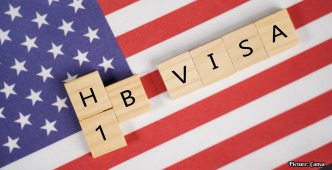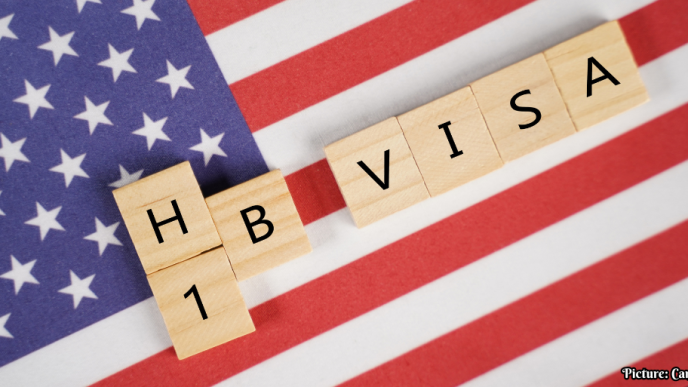
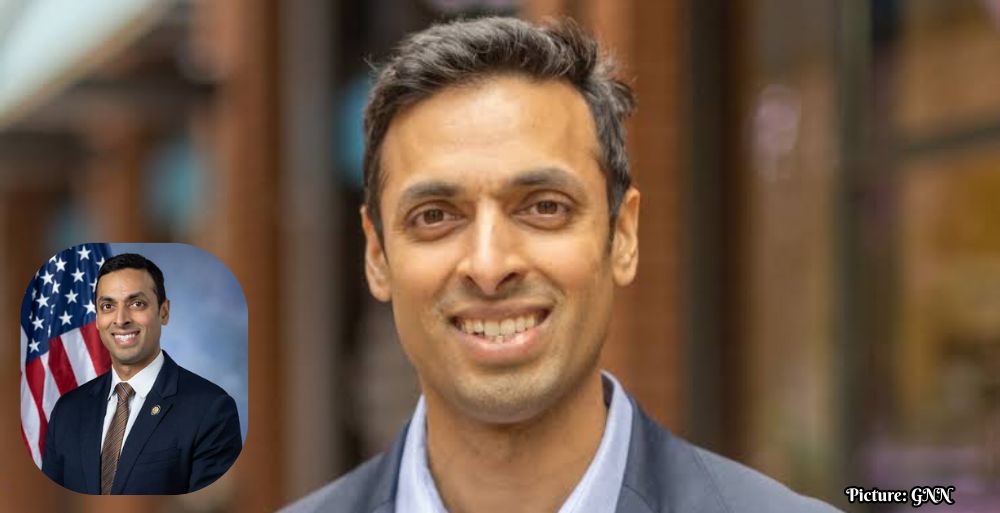
Congressman Suhas Subramanyam of Virginia’s 10th District supports the H-1B visa program, emphasizing its importance in addressing workforce shortages while advocating for targeted reforms to enhance its effectiveness without compromising benefits to American workers.
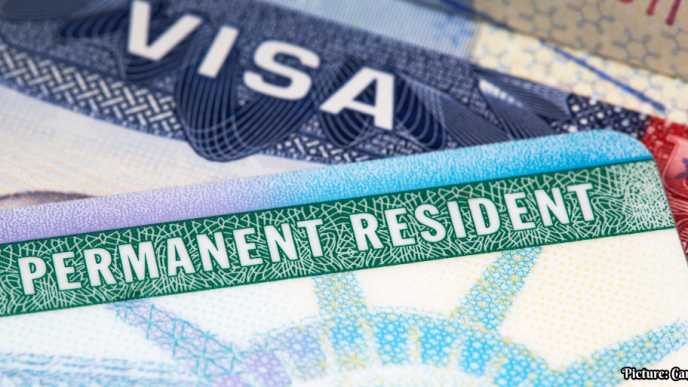
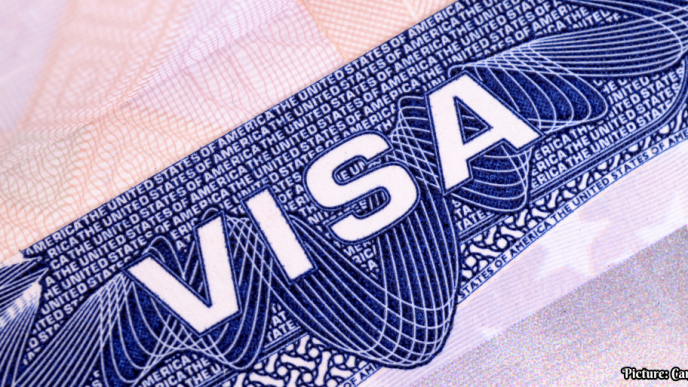
In a recent interview with the Indo-American News Service (IANS), Congressman Suhas Subramanyam, a Democrat representing Virginia’s 10th Congressional District, reiterated his strong support for the H-1B visa program, highlighting its vital role in filling workforce gaps across various sectors in the United States. The program, which allows U.S. employers to hire foreign professionals in specialty occupations, has been a focal point of immigration debates, particularly regarding its impact on American workers and job markets.
A Defense of the H-1B Visa Program
Subramanyam articulated that the H-1B visa program has not only facilitated the inflow of skilled labor but has also contributed significantly to the American economy by fostering entrepreneurship among immigrants. He stated, “This is not a zero-sum game. In fact, a lot of folks that come in on, let’s say, H-1B visas, they actually end up starting companies, creating jobs for Americans.” His comments come in the context of ongoing discussions about the benefits and challenges of immigration policies that affect the labor market, particularly in high-demand fields such as technology, engineering, and healthcare.
The Congressman’s remarks resonate deeply within his constituency, which includes a large population of immigrants and technology professionals. Many constituents have shared similar narratives of transitioning from H-1B visa holders to U.S. citizens who actively contribute to their communities. “There’s so many in my community who started off as H-1B visa holders who are now citizens and who are giving back so much to the community,” he noted, emphasizing the positive contributions of immigrants to local economies and social fabric.
Reform, Not Repeal
While expressing his support for the H-1B program, Subramanyam acknowledged that certain aspects of the visa system require reform to ensure that American workers are not overlooked in hiring processes. He remarked, “There are some issues with the program that we need to fix. We do wanna make sure that Americans have a shot at jobs.” This statement highlights an important aspect of the immigration debate: balancing the needs of a diverse workforce with the necessity of protecting job opportunities for U.S. citizens.
The Congressman’s call for reform aligns with broader discussions about the need for targeted changes to the H-1B program to enhance its effectiveness. Advocates for reform suggest measures such as increasing the transparency of the hiring process, ensuring fair wages, and implementing stronger protections for U.S. workers, thereby addressing concerns about the potential displacement of American employees.
Challenges of Anti-Immigrant Narratives
Subramanyam also voiced strong criticism against the tendency to scapegoat immigrants for economic challenges faced by American workers. He noted, “There are other systemic problems that are preventing that, that we need to address, but, you know, an age-old tactic is to blame immigrants for the economy or for anything that’s going wrong.” This perspective underscores ongoing debates within political circles regarding the scapegoating of immigrant communities during economic downturns, suggesting that such narratives distract from addressing deeper systemic issues.
He advocated for a collaborative approach to improving conditions for all workers, stating, “Instead of blaming, why don’t we work together and why don’t we make sure that this world, this community, is great for everyone?” This sentiment reflects a growing number of lawmakers and advocates who are pushing for comprehensive immigration reform that acknowledges the contributions of immigrants while addressing domestic workforce needs.
The Role of Indian Americans
Reflecting on the contributions of Indian Americans to the United States, Subramanyam stated, “We’re Indian American, but we are American. And, you know, we’re proud of this country, and we want the next 250 years to be just as strong as the first 250.” This assertion not only reinforces the significance of diversity within the American identity but also highlights the integral role Indian Americans play in the nation’s economic landscape.
The H-1B visa program, established in 1990, permits U.S. employers to hire foreign professionals for specialized occupations, addressing critical labor shortages in various fields. Data from U.S. Citizenship and Immigration Services (USCIS) indicates that Indian nationals have consistently constituted a significant percentage of H-1B beneficiaries, particularly in sectors requiring advanced technical skills. As of 2020, approximately 70% of H-1B visa holders were from India, illustrating the program’s profound impact on the professional landscape in the United States.
Current Immigration Climate
Subramanyam’s advocacy for the H-1B program comes at a time when immigration policies are under intense scrutiny from various stakeholders. While some groups advocate for stricter immigration controls, others argue for reforms that balance the needs of American workers with the benefits of a diverse workforce. The Congressman’s remarks reflect a nuanced understanding of the complexities involved in shaping effective immigration policy, particularly in light of the economic challenges posed by the ongoing labor shortage in many sectors.
As the political discourse on immigration continues to evolve, Subramanyam’s position highlights the importance of recognizing the contributions of immigrants while fostering an environment conducive to job creation and economic growth for all citizens. His statements signal a commitment to ensuring that the H-1B program remains a vital component of the U.S. immigration system while addressing legitimate concerns regarding workforce dynamics.