Proper foot care is crucial for maintaining comfort and preventing potential health issues, particularly as daily wear and tear can lead to serious complications if neglected.
Your feet, often taken for granted, endure significant stress each day, playing a vital role in mobility and overall health. When discomfort arises, it can hinder daily activities and focus. Therefore, regular foot care is essential to keep them in optimal condition.
Daily Inspection and Hygiene
Every day, individuals should inspect their feet for any abnormalities, including cuts, sores, or discoloration of toenails. Conditions such as swelling or rashes can signal underlying issues that may require medical attention. A daily hygiene routine is also crucial, as feet are prone to sweat and can develop fungal infections like athlete’s foot. Proper washing techniques are necessary; the recommended water temperature for washing feet is between 90 and 95 degrees Fahrenheit, ensuring that all areas, especially between the toes, are thoroughly cleaned.
Drying and Moisturizing
After washing, it is essential to dry feet properly. Many people overlook the importance of drying between the toes, which is a common area for fungal growth. Once feet are dry, applying cornstarch or talcum powder can help absorb moisture and keep feet dry. For those dealing with infections, medicated foot powders can alleviate itching and discomfort.
While soaking feet may seem relaxing, prolonged exposure to water can lead to dry, cracked skin, increasing the risk of pain and infection. Instead, it is advisable to wash, dry, and apply powder as needed, reserving soaking for other uses, such as cooking.
Nail Care and Foot Exercises
Proper toenail care is also critical. Toenails should be cut straight across to prevent ingrown nails, which can be painful and lead to infections. If individuals struggle with toenail care, including thick or discolored nails, consulting a podiatrist is recommended. Regular foot inspections can help catch any problems early, preventing more serious conditions from developing.
In addition to daily inspections and care, simple foot exercises can enhance circulation and flexibility. Wiggling toes for a few minutes daily and moving ankles can help improve blood flow. Avoiding prolonged leg crossing and tight socks is also essential for maintaining optimal circulation, as restricted blood flow can lead to various foot conditions.
Foot Health and Pain Management
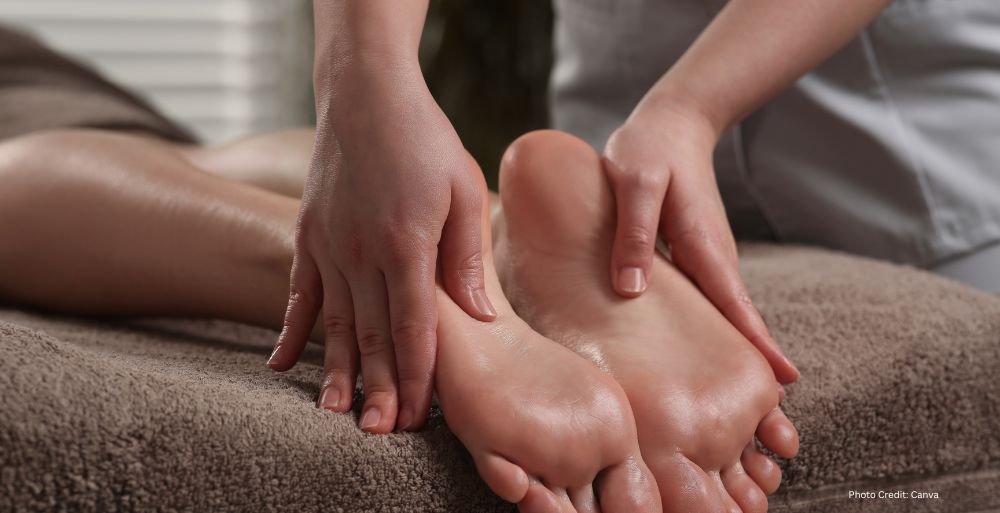
Engaging in foot stretches and massages can be beneficial for individuals suffering from conditions like plantar fasciitis, an injury characterized by pain in the sole of the foot due to overuse. Consulting a healthcare provider or physical therapist can provide tailored advice on suitable stretches and exercises. Incorporating these practices into a regular routine can help alleviate discomfort and improve overall foot health.
For callused areas, using a pumice stone post-bath or shower can help maintain smooth skin. It is important to avoid cutting calluses or using chemical treatments, which could lead to infections. When receiving pedicures, ensuring that tools are sanitized and that technicians follow proper hygiene practices is crucial for avoiding complications.
Choosing the Right Footwear
Footwear choices significantly impact foot health. It is advisable to try on new shoes at the end of the day when feet are at their largest to ensure a proper fit. Ample room for toes is essential, and individuals should be cautious of styles that may cause discomfort, such as high heels or pointed-toe shoes, which can exacerbate foot problems over time.
Regular physical activity is beneficial for foot health, encouraging blood circulation and overall well-being. Activities like walking, biking, and swimming require appropriate footwear to provide necessary support. Individuals uncertain about suitable shoe types should consult a healthcare professional. Investing in quality shoes can prevent many common foot issues, contributing to long-term foot health.
Seasonal Foot Care
Protecting feet from environmental factors is another important aspect of care. In summer, wearing sandals or shoes can shield feet from hot pavement, and applying sunscreen to the tops of feet can prevent sunburn. Many people overlook the top of their feet when applying sunscreen, but this area is susceptible to burns. During winter, insulated boots are recommended to keep feet warm and protected from the elements.
Special Considerations for Diabetic Patients
For individuals with diabetes, foot care becomes even more critical. Diabetes can impair blood flow and damage nerves, leading to pain, numbness, and slow-healing sores. Regular check-ups with a podiatrist can help manage foot health effectively, especially when symptoms such as foot shape changes or non-healing sores arise. Diabetic patients should conduct daily foot inspections and report any changes to their healthcare provider promptly.
Conclusion
In conclusion, comprehensive foot care is essential for maintaining comfort and preventing serious health issues. By following these recommended practices, individuals can ensure their feet remain healthy and functional, supporting overall mobility and well-being. Regular attention to foot health can greatly enhance quality of life, making it vital for individuals of all ages to incorporate these practices into their daily routines. By prioritizing foot care, we can mitigate potential complications and promote a healthier, more active lifestyle.