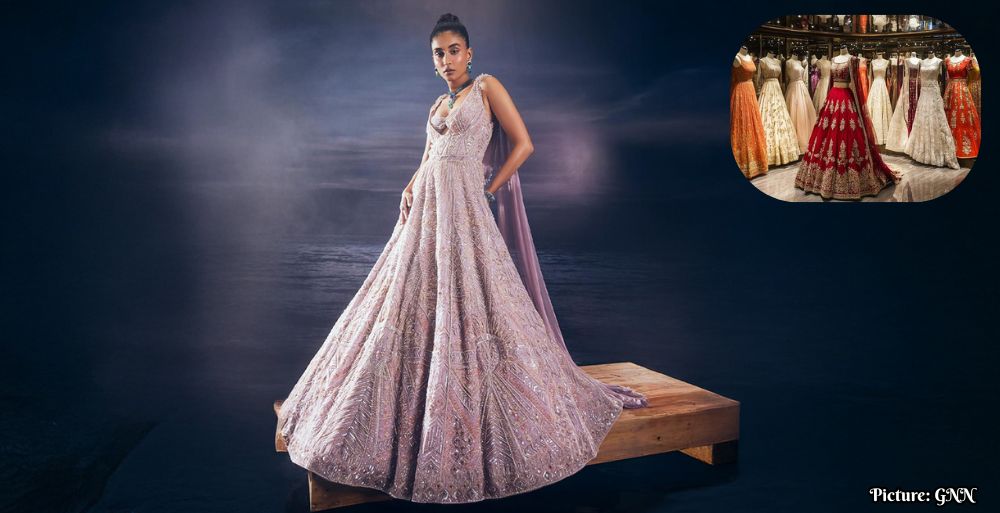
The Indian fashion industry is experiencing a significant transformation, with local designers gaining global recognition while relying heavily on bridal couture as their financial foundation.
New Delhi — For decades, India has been an unsung player in the world of fashion, primarily known for its embroidery and garment export houses that produced fashion items for international luxury brands. However, a marked shift has occurred in recent years, as Indian designers increasingly assert their presence on the global stage.
Notable figures such as Rahul Mishra have become fixtures at prestigious events like Paris Haute Couture Week, where he has showcased his collections to an international audience. This trend continued earlier this month when Manish Malhotra made his debut at the same event, with fashion luminary Anna Wintour seated in close proximity. Gaurav Gupta’s designs have graced the red carpets of the Grammys and the Cannes Film Festival, while Sabyasachi, a preferred designer for Indian brides, is set to present at New York Fashion Week in September, where he also operates a flagship store.
“Consumers today follow designers, collections, and cultural moments from around the world. When they see Indian craftsmanship celebrated in Paris, on the Met Gala carpet, or by international artists, it creates a sense of pride and strengthens their connection with the brand,” Malhotra noted, highlighting the growing global interest in Indian fashion. His clientele includes high-profile personalities from both Bollywood and Hollywood, such as Kim Kardashian and Jennifer Lopez.
Despite the glamour associated with these global events, the backbone of many Indian fashion brands remains bridal couture. “It gives us a strong foundation to continue investing in our ateliers, our artisans, and the preservation of craftsmanship,” added Malhotra, underlining the crucial role that bridal fashion plays in the business models of these designers.
India Couture Week: A Barometer of Trends
In Delhi, the annual India Couture Week stands as one of the industry’s most anticipated events, organized by the Fashion Design Council of India. This showcase sets trends for the busy wedding months that commence in October, with brides often awaiting the event to finalize their attire.
This year’s event unfolded amid a tense political backdrop, as youth-led protests against the government captured national attention. Traditionally, Bollywood stars participate in these shows, but this year, their absence was notable. The protests culminated in the resignation of India’s education minister, but the Couture Week proceeded as planned.
The event kicked off with a stunning collection by Anamika Khanna at the luxurious Taj Falaknuma Palace in Hyderabad, where she showcased an array of designs crafted by female artisans from Barmer, Rajasthan, and Kalighat, West Bengal. Subsequent shows featured prominent designers such as Rahul Mishra, Falguni Shane Peacock, and Kunal Rawal, with several designers opting for independent presentations around the same time.
The Emergence of New Talent
Among the highlights of this year’s India Couture Week was Masaba Gupta’s much-anticipated debut. Her collection, which includes a sherwani jacket worn over an anarkali dress, features playful motifs and bright colors that reflect her unique design aesthetic. “The money made from bridalwear fuels the rest of the business, pays for our dreams, and future plans,” Gupta stated, emphasizing the financial significance of bridal fashion.
The Indian wedding industry is a colossal market, valued at $130 billion by US investment firm Jefferies, and is second only to China in size. Jewelry and clothing constitute a substantial portion of spending, with many families allocating significant portions of their savings for weddings.
Cultural Significance of Weddings
As Tarun Tahiliani, a veteran designer in Indian festive wear, articulated, “Weddings are the universal ‘big’ occasion people dress up for. It’s a cultural phenomenon here.” With guest lists often exceeding hundreds and celebrations stretching over several days, Indian weddings combine traditional rituals with lavish festivities.
The peak wedding season typically runs from October to April, aligning with auspicious dates. Recently, the wealthy have expanded their celebration itineraries to include pre-wedding galas and themed events, leading to a year-round demand for new attire among wedding guests.
Designers like Gupta are responding to this evolving landscape. “I create options for people around the wedding,” she explained, recognizing the growing market for occasion wear beyond just bridal garments.
International Brands Take Notice
The lucrative wedding market has not gone unnoticed by international luxury brands, including Jimmy Choo, Gucci, and Bvlgari, which release limited-edition collections during India’s festive seasons to tap into the burgeoning luxury spending. Bain & Company projects that this market will more than triple to reach €25 to €30 billion ($27 to $32 billion) by 2030.
Mishra, who recently collaborated with Tod’s on a line of embroidered shoes and handbags, highlighted the two distinct segments of the bridal market: one comprising brides purchasing their first designer piece and the other consisting of affluent brides seeking custom wardrobes for multiple events. “More than 50% of my business comes from formalwear,” he said, indicating a shift in consumer preferences.
The Evolution of Bridal Fashion
As Indian designers gain recognition on international platforms, there is a noticeable shift in the type of bridal wear being showcased. Mishra noted that traditional bridal colors are being replaced with more contemporary styles. “We closed my Paris show with a lehenga-inspired gown, which sets the tone for my upcoming collection in India,” he stated, highlighting the interplay between his domestic and international offerings.
The increased global visibility also facilitates a deeper connection with the Indian diaspora, who seek to bridge their cultural heritage with contemporary fashion. “NRIs are successful, making money in dollars, and want to show their foreign friends how we celebrate,” Tahiliani remarked, emphasizing the cross-cultural exchange that is occurring.
While traditional garments remain staples, designers are increasingly introducing modern interpretations aimed at younger consumers. “Women today want to be comfortable, have fun, and dance,” Tahiliani noted, reflecting changing consumer attitudes toward wedding attire.
Ultimately, while the Indian fashion industry is making strides in global visibility, bridal couture continues to underpin the sector’s economic stability and cultural significance. As designers innovate and evolve, the balance between traditional craftsmanship and contemporary fashion is likely to shape India’s presence in the global fashion narrative for years to come.