
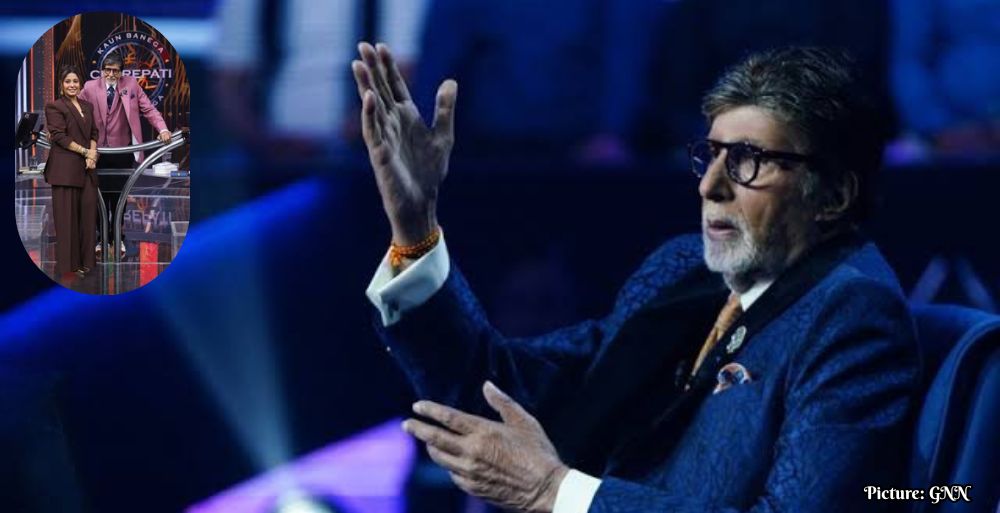
Amitabh Bachchan commends Generation Z for their ability to find joy in everyday moments rather than waiting for life to achieve perfection, marking a significant cultural shift in attitudes towards happiness.
MUMBAI, India — In a recent episode of the widely popular quiz show Kaun Banega Crorepati 18, veteran Bollywood actor Amitabh Bachchan shared his reflections on Generation Z, praising their refreshing perspective on happiness and fulfillment. The seasoned actor noted that today’s youth tend to embrace the present, often finding joy in ordinary moments rather than postponing their happiness for future achievements.
Bachchan’s observations reflect a noticeable generational shift in attitudes toward success and well-being. He articulated that individuals from Gen Z are less inclined to wait for their lives to reach a state of perfection before allowing themselves to experience joy. Instead, they prioritize enjoying the journey of life, which marks a departure from the traditional focus on milestones and accomplishments that previous generations often emphasize.
Embracing the Present
“Deviyo aur sajjano, dekhiye, mujhe Gen Z, yaani aaj ki jo naujawan peedhi hai, unse milkar bahut achha lagta hai. Inko khush rehne ke liye bhi koi badi wajah nahi chahiye,” Bachchan stated, highlighting the ease with which today’s youth find happiness. He elaborated, “Ye un logon mein se nahi hain jo zindagi ke perfect hone ka intezaar karte hain, balki ye kehte hain ki zindagi ko sirf achieve nahi karna hai, use enjoy bhi karna hai. So, jo hai, jahan hai, jitna bhi hai, usi mein khushi dhoondh ke raho.” This perspective suggests that Gen Z values the present moment and seeks to derive satisfaction from their current experiences.
This generational ethos can be attributed to various social and cultural factors. As the world has evolved over the past few decades, younger generations, particularly those belonging to Gen Z, have been shaped by rapid technological advancements, social media, and a shifting cultural landscape. These developments have fostered a culture that places a high value on authenticity, mental well-being, and mindfulness, contrasting with the traditional markers of success such as home ownership or career advancement.
Language and Communication Across Generations
This is not the first time Bachchan has addressed the topic of younger generations. In a previous episode, he humorously attempted to decode contemporary phrases commonly used by Gen Z, showcasing his engagement with the evolving language. He remarked, “Aaj kal ki… Gen Z hai ya Gen A hai, pata nahi kya bolte hain… Sir, ajeeb-ajeeb bhasha banti rehti hai,” expressing his bemusement over modern expressions. He recounted instances where younger individuals told him, “You are rocking,” leading him to respond, “patthar toh humne abhi tak uthaya nahi,” revealing his confusion regarding the phrase’s literal interpretation.
Such exchanges illustrate Bachchan’s willingness to bridge the generational gap, reflecting a mutual curiosity and understanding between different age groups. His lighthearted observations about the evolution of language serve to promote dialogue and foster appreciation for the differences that exist between generations. By acknowledging these variances, Bachchan demonstrates an openness to learning from younger audiences, highlighting the importance of intergenerational communication.
Cultural Context and Broader Implications
Bachchan’s comments resonate within a larger cultural context, where the conversation surrounding generational differences continues to evolve. The COVID-19 pandemic has notably accelerated shifts in priorities for many individuals, prompting a heightened focus on living in the moment and cherishing everyday experiences. For Gen Z, who have grown up amidst the rise of social media and digital communication, this perspective champions authenticity and an appreciation for life’s simple pleasures.
Furthermore, the growing recognition of mental health and well-being as integral components of a fulfilling life has influenced how younger generations approach happiness. This cultural shift reflects broader societal changes, including a departure from traditional pressures to achieve specific milestones, leading many to seek fulfillment through experiences rather than possessions.
Fostering Intergenerational Understanding
Bachchan’s reflections not only celebrate the values embraced by Gen Z but also encourage constructive dialogue across generations. By recognizing and appreciating the perspectives of younger individuals, he promotes an environment conducive to intergenerational understanding and respect. This dialogue is crucial as society navigates the complexities of changing values and beliefs across age groups.
As cultural figures like Amitabh Bachchan engage with contemporary issues, their influence can help bridge divides and foster collaboration among diverse populations. The actor’s ability to connect with younger audiences, combined with his humorous take on generational language differences, contributes to a narrative of understanding and collaboration among varying age groups.
Conclusion
Amitabh Bachchan’s insights into Generation Z’s approach to happiness highlight a significant cultural transition. His ability to relate to younger audiences, coupled with his lighthearted observations on language evolution, underscores the importance of dialogue in bridging generational gaps. As society continues to navigate these dynamics, the contributions of influential figures like Bachchan play a pivotal role in fostering understanding and appreciation of diverse perspectives, ultimately enriching the cultural discourse.