In a decisive referendum, Alberta voters overwhelmingly chose to remain part of Canada, with 76% supporting unity and only 24% backing a move towards independence.
EDMONTON, Alberta – In a critical referendum held on Monday, voters in Alberta decisively rejected a proposal to initiate a process for the province’s independence from Canada. Unofficial results indicate that approximately 76% of voters supported remaining within the federation, while about 24% favored pursuing a path towards separation. This outcome represents a significant affirmation of Canadian unity, particularly for Prime Minister Mark Carney, who has championed the importance of collaboration among the provinces.
With over 1.5 million votes counted, the results reflect a broader sentiment among Albertans, who appear to prioritize stability and partnership within Canada over the uncertain prospects of independence. Carney, a native of Edmonton, expressed his satisfaction with the results, stating, “Albertans made a clear choice. They chose unity, to build together, and to take care of each other. Above all, Albertans chose Canada.” He underscored that this decision would facilitate collective efforts to diversify trade, enhance infrastructure projects, and solidify Canada’s status as a global energy leader, with Alberta positioned as a key player.
Context of the Vote
While the overwhelming majority of voters favored remaining a part of Canada, the referendum was not strictly framed as a vote on independence. This nuance has been a point of contention among separatist leaders. Keith Wilson, a prominent figure in the separatist movement, acknowledged a “silver lining” in the results, suggesting that the significant minority—representing at least a quarter of Albertans—indicates a desire for the province to be treated more fairly within the Canadian federation.
Premier Danielle Smith of Alberta welcomed the preliminary results, stating, “Albertans have voted for a stronger Alberta in a united Canada,” through a message on social media. The applause echoed at a pro-Canada gathering in Edmonton, where supporters celebrated the decisive outcome.
The ballot presented to voters included ten distinct questions addressing various pressing issues such as immigration, healthcare, education, and the province’s constitutional powers, with the independence question being one of the most contentious. According to Elections Alberta, voter turnout was notably high; approximately 43% of eligible voters, or around 1.3 million Albertans, participated before the official voting day through advance and mail-in ballots. This figure points to a potentially higher turnout than during the province’s previous referendum in 2021.
Political Implications
In the days leading up to the referendum, political leaders at both the provincial and federal levels campaigned vigorously across Alberta, advocating for unity. Carney cautioned against the potential repercussions of a vote favoring separation, warning that it could serve as a “dangerous bluff” that would usher in deep-seated uncertainty and lost opportunities for both Albertans and Canadians. He articulated a strong message at a rally, stating, “A vote against Canada is a dangerous bluff that will lead to years of deep uncertainty and lost opportunities for Albertans and Canadians.”
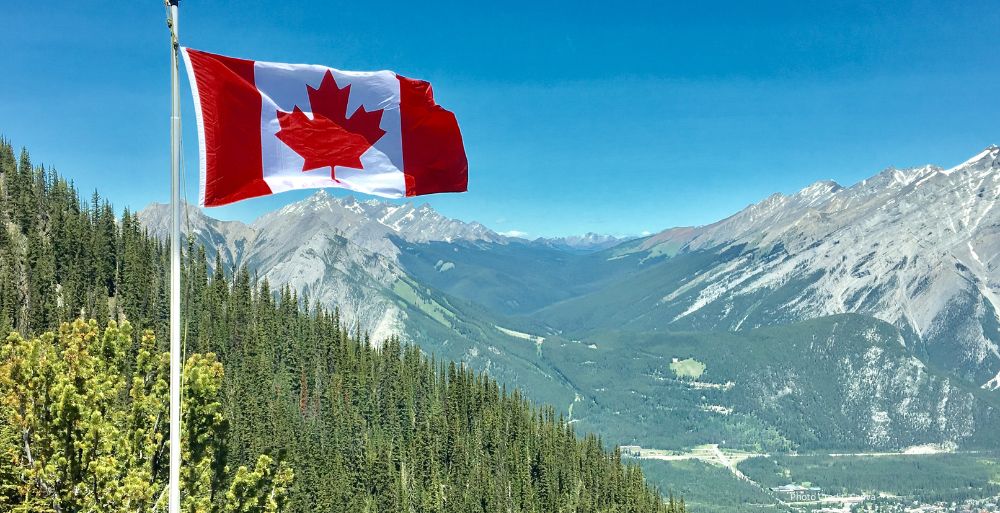
Conservative Party leader Pierre Poilievre, who represents a parliamentary seat in Alberta, also urged voters to consider the broader implications of their choices. He reminded the crowd, “Canada is more than a government. It is a people, a flag, a land, a history and a promise,” emphasizing that voting for separation could undermine the foundational values and aspirations of the Canadian identity. His message resonated with many who view Canada as integral to their collective future.
Future of the Separatist Movement
Despite the referendum’s outcome, some separatist leaders remain undeterred in their quest for independence. Smith’s leadership of the United Conservative Party has been significantly influenced by the internal dynamics within her party, where separatist sentiments have played a role in her rise to power. However, the referendum has also become a political liability for her administration, especially given the party’s recent decline in popular support, including losses in what were once secure conservative constituencies.
Calgary Mayor Jeromy Farkas, a vocal opponent of the independence movement, articulated a vision for Alberta’s future that firmly aligns with its role within Canada. He stated, “I am Canadian because I’m Canadian, not in a transactional way and regardless of the flavour of prime minister.” Farkas emphasized the importance of unity, suggesting that no electoral outcome would definitively resolve the separatist issue, as those advocating for independence view their cause as a long-term struggle.
The ongoing discourse surrounding Alberta’s role within Canada showcases the province’s complex political landscape, characterized by both strong federalist and separatist sentiments. As the final results of the referendum continue to be tallied, the implications for Alberta’s political future remain uncertain, highlighting enduring debates over provincial autonomy and national unity. The referendum results not only serve to reaffirm the current political alignment but also pose critical questions about how Alberta can navigate its relationship with the federal government in the years to come.