On August 4, 2026, an Air India flight from Phuket to Delhi experienced severe turbulence, resulting in injuries to 17 individuals, including 13 passengers and four crew members, prompting an investigation by the Directorate General of Civil Aviation (DGCA).
On August 4, 2026, Air India flight AI2379, operating a route from Phuket, Thailand, to Delhi, India, encountered a significant in-flight incident characterized by severe turbulence. This turbulence led to injuries among 13 passengers and four crew members, raising serious concerns regarding aviation safety protocols. The incident occurred approximately 2.5 hours into the flight while the aircraft was cruising over the Odisha region, as reported by Air India officials.
Details of the Incident
The aircraft, with a total of 137 individuals on board, experienced a sudden altitude drop of roughly 300 feet, as tracked by the flight monitoring service FlightRadar24. According to an Air India spokesperson, the event was described as a “brief in-flight turbulence-related event.” Following this incident, the flight continued to operate normally and successfully landed at Indira Gandhi International Airport in Delhi at 11:07 AM IST.
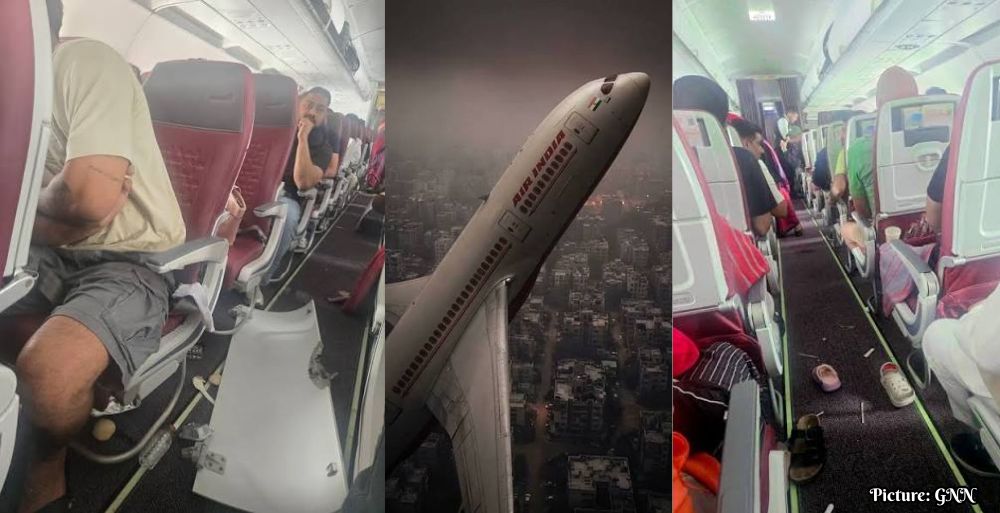
Thirteen passengers and four crew members reported injuries, leading to their transportation to local hospitals for medical evaluations. Initial reports indicated that five of the injured passengers were discharged after receiving treatment. The incident garnered considerable attention on social media, particularly due to videos that surfaced showing a visible crack in the ceiling of the passenger cabin, which has raised questions about potential structural issues with the aircraft.
Response from Officials and Ongoing Investigations
The Directorate General of Civil Aviation (DGCA) has initiated a formal investigation into the circumstances surrounding the turbulence incident. The investigation will include a thorough examination of the flight data recorder and cockpit voice recorder, which have been secured for analysis. Minister for Civil Aviation Ram Mohan Naidu expressed his concern regarding the incident and took the initiative to visit the injured passengers at Fortis and Medanta hospitals, emphasizing the government’s commitment to ensuring passenger safety.
Naidu remarked, “The well-being of passengers is our top priority, and we are taking this incident very seriously. The DGCA will thoroughly investigate to determine the root causes and ensure such incidents are prevented in the future.” His comments come amidst a broader context of growing scrutiny on aviation safety in India, particularly following the crash of Air India flight AI-171 just a year prior, which has yet to see the final investigative report released.
Aviation Safety in India: A Critical Overview
This turbulence incident occurs at a time when aviation safety is under intense public and regulatory scrutiny in India. The lingering questions surrounding the AI-171 crash investigation have heightened anxiety about the effectiveness of regulatory bodies such as the DGCA in safeguarding passenger safety. As the domestic aviation sector continues to recover from the significant disruptions caused by the COVID-19 pandemic, the need for strict adherence to safety protocols has become increasingly paramount.
The DGCA’s investigation will likely delve into various factors, including weather conditions at the time of the flight, the actions taken by the flight crew in response to the turbulence, and the maintenance history of the aircraft involved. Such inquiries are vital for identifying any lapses in safety protocols and ensuring that appropriate measures are implemented to mitigate the risk of similar incidents in the future.
Impact on Passengers and the Broader Aviation Industry
Incidents like the turbulence experienced on flight AI2379 can evoke fear and anxiety among passengers, potentially affecting their willingness to fly with certain airlines. For the aviation industry, which has been striving to restore passenger confidence in the aftermath of the pandemic, maintaining transparency and effective communication in the wake of such events is crucial. The visibility of incidents like this, coupled with proactive measures from airlines and regulatory bodies, will play a significant role in rebuilding public trust in air travel.
Additionally, as demand for air travel continues to rebound post-pandemic, there is an urgent need for stringent regulatory oversight of safety standards. The findings from the DGCA’s investigation into this incident may prompt a reevaluation of existing safety protocols and training for flight crews, particularly in managing in-flight turbulence and related emergencies.
Conclusion
In conclusion, while the turbulence experienced by Air India flight AI2379 resulted in injuries to several individuals, the airline’s swift response in ensuring medical assistance for the injured reflects a commitment to passenger welfare. As the DGCA conducts its investigation, the outcomes will be critical in understanding the causes of this incident and in shaping future aviation safety standards in India. The aviation sector must prioritize safety to maintain public confidence as it navigates recovery and growth in a post-pandemic landscape.