A series of limited military strikes by the U.S. against Iran were confirmed by President Donald Trump, targeting an Iranian air defense system in Qeshm Island, coinciding with heightened regional tensions and recent electoral defeats for the Republican Party.
WASHINGTON — On Friday, President Donald Trump announced that the U.S. military executed limited strikes against Iran, specifically targeting an Iranian air defense system situated on Qeshm Island, a strategic location within the critical Strait of Hormuz. This military action follows significant electoral setbacks for Trump’s Republican Party in the recent midterm elections, raising questions about the administration’s foreign policy direction.
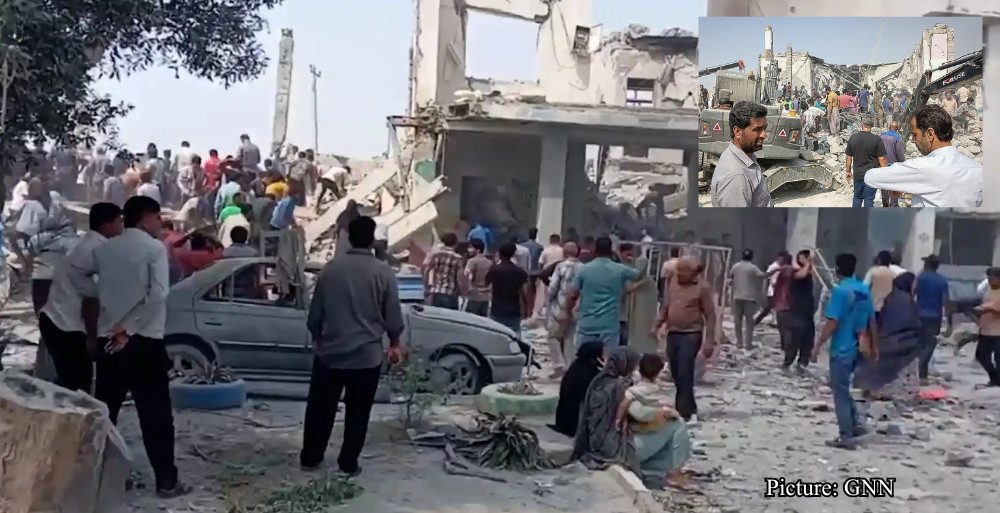
Reports from Iranian state media indicate that explosions were reported in the Suza area of Qeshm Island, a region crucial for oil shipments in and out of the Persian Gulf. President Trump characterized the military action as “minor,” stating, “They knocked out — they built a little bit of an anti-aircraft device and we knocked it out in about 15 minutes, maybe five,” during a brief exchange with reporters upon his arrival in West Palm Beach, Florida.
While the President did not provide further specifics regarding the target, U.S. officials have previously indicated that a substantial portion of Iran’s air defense capabilities had been either destroyed or severely degraded during a series of strikes attributed to Israel in June 2025 and early in the current conflict. Defense analysts have assessed that Iran will likely attempt to rebuild its military infrastructure over time, despite ongoing military pressure.
Recent Military Actions
This latest round of strikes marks the first military engagement following the Republican Party’s significant losses in the midterms, where they lost control of both chambers of Congress. Analysts attribute part of this electoral setback to widespread voter dissatisfaction with the Trump administration’s handling of the conflict with Iran, compounded by rising fuel prices that have impacted various sectors of the global economy.
In addition to Friday’s strikes, U.S. Central Command reported that earlier in the week, defensive strikes were also conducted in the vicinity of Qeshm and Hengam Islands, as well as the mainland area of Bandar Abbas. These actions underscore the heightened tensions in the region amidst ongoing conflict and diplomatic negotiations.
Diplomatic Efforts and Nuclear Concerns
Following these military developments and electoral outcomes, President Trump has alternated between aggressive rhetoric and indications that discussions to resolve the conflict are ongoing. He stated, “We are talking to Iran. We have been,” suggesting that the U.S. military maintains a strategic advantage in the conflict, despite the recent challenges faced by his administration.
Amid these tensions, U.S. Central Command has announced a reward of up to $20 million for information regarding Iran’s nuclear program, including details about its facilities, personnel, and any movements related to its nuclear capabilities. This reward is part of a broader strategy aimed at addressing concerns surrounding Iran’s nuclear ambitions, which have long been a focal point of U.S. foreign policy.
Despite ongoing discussions, Iran has firmly stated that it will not engage in negotiations without certain concessions from the U.S. These include lifting sanctions, ending the blockade on Iranian ports, and addressing regional hostilities, particularly those involving Israeli operations in Lebanon. Iranian officials argue that these issues must be resolved to achieve any meaningful diplomatic progress.
According to the International Atomic Energy Agency, Iran currently possesses approximately 972 pounds of uranium enriched to 60% purity, a level alarmingly close to weapons-grade enrichment of 90%. This has raised concerns not only within the U.S. but also among its allies in the region, prompting calls for urgent diplomatic engagement to prevent further escalation.
Regional Diplomatic Developments
In light of the escalating situation, a series of diplomatic communications have emerged in recent days among leaders in the Persian Gulf region. These discussions aim to ease tensions and prevent a further military confrontation. Defense Secretary Pete Hegseth recently engaged in a conversation with his Qatari counterpart, Sheikh Saoud bin Abdulrahman Al Thani, to discuss the ongoing developments and potential pathways to reduce conflict.
Additionally, Iranian Foreign Minister Abbas Araghchi has been in discussions with his Iraqi and Tunisian counterparts, addressing the regional tensions and exploring Iran’s vision for resuming negotiations with the U.S. Reports indicate that Araghchi and Iraqi Foreign Minister Fuad Hussein shared insights on the necessary steps toward diplomacy.
Egypt’s Foreign Minister Badr Abdelatty has also communicated with Araghchi, emphasizing the critical need for both sides to demonstrate flexibility to reach compromise solutions that could prevent further escalation. He highlighted the importance of political negotiations to avert another round of military confrontation that could lead to violence and destruction in the region.
As diplomatic efforts intensify, the future of U.S.-Iran relations remains uncertain, with military actions and political negotiations shaping the complex geopolitical landscape. The ongoing conflict and the potential for further military engagement underscore the urgent need for a comprehensive diplomatic resolution that addresses the multifaceted challenges posed by Iran’s nuclear program and its regional activities.