U.S. Ambassador to India Sergio Gor hosted a Diwali celebration at the American Embassy in New Delhi, highlighting the festival’s growing recognition in the United States and its cultural significance to Indian and South Asian communities.
NEW DELHI—On Thursday, U.S. Ambassador to India Sergio Gor hosted a vibrant Diwali celebration at the American Embassy in New Delhi, extending festive greetings to members of the South Asian community observing the festival of lights. In a message shared via social media platform X, Ambassador Gor expressed his sentiments, stating, “Great to celebrate Diwali at our Embassy in New Delhi. Wishing all who are observing the holiday a very Happy Diwali!” This event underscores the increasing recognition of Diwali in the United States, where it has evolved into a significant cultural and religious occasion celebrated by millions of Americans, particularly those of Indian and South Asian heritage.
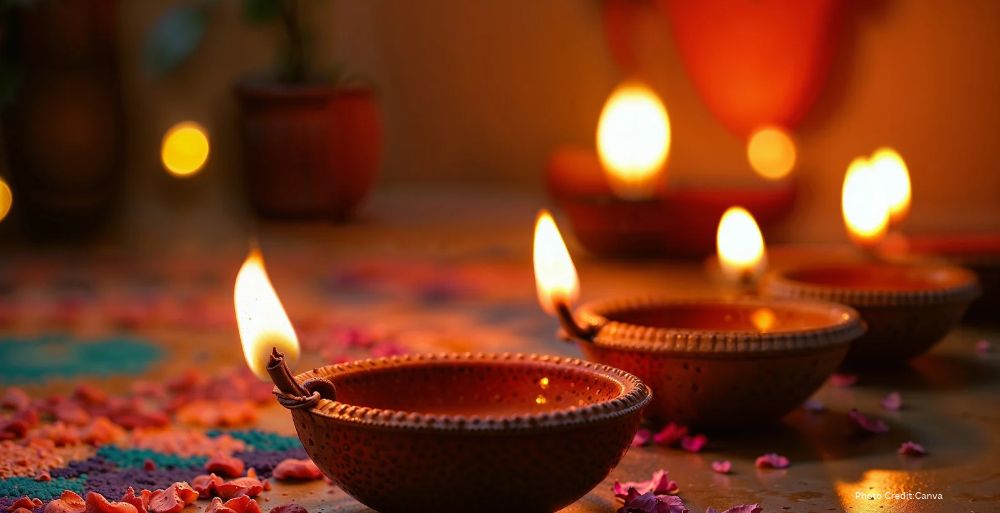
Diwali, which translates to ‘row of lights,’ is celebrated by various religious groups, including Hindus, Jains, Sikhs, and some Buddhist communities. The festival encompasses a diverse range of traditions and customs that differ not only across religions but also within regional practices. For many, Diwali marks the triumph of light over darkness and good over evil, making it a universal celebration that resonates beyond religious boundaries.
Growing Recognition at Government Levels
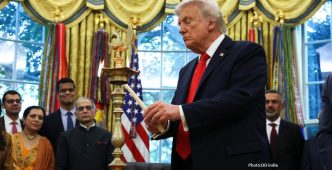
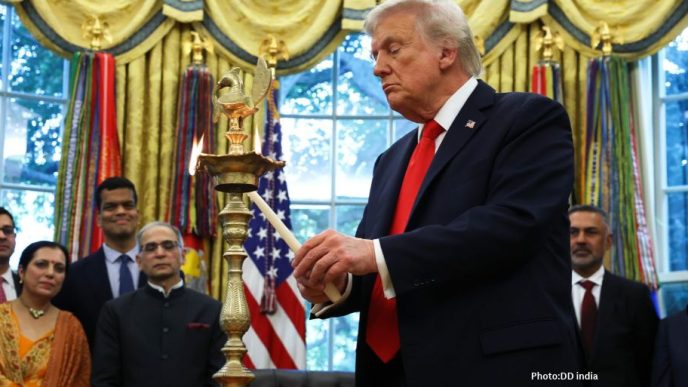
The acknowledgment of Diwali has gained significant traction in the U.S. government over the past two decades. A pivotal moment in this recognition occurred in 2009 when President Barack Obama became the first sitting American President to participate in a Diwali celebration at the White House. This historic event established a precedent that has been honored by subsequent administrations. Notably, President Donald Trump also hosted a Diwali celebration at the White House on October 21, 2025, reinforcing the festival’s importance to Indian American communities.
The evolving recognition of Diwali at high levels of government reflects a broader societal trend toward inclusivity and acknowledgment of diverse cultural practices. As the Indian American population continues to grow, so too does the visibility of their cultural traditions. In recent years, federal acknowledgment has been complemented by state and local initiatives, which have further institutionalized the celebration of Diwali.
State and Local Celebrations
Recognition of Diwali has expanded beyond federal initiatives, particularly in states and metropolitan areas with large South Asian populations. For instance, in 2023, New York City made a historic move by officially designating Diwali as a public school holiday, allowing students to observe the festival with their families for the first time in 2024. This decision was celebrated by community leaders and parents alike, as it reflects a growing recognition of the cultural significance of Diwali in American society.
Similarly, Indian American communities across the nation—particularly in regions such as New York, New Jersey, and the San Francisco Bay Area—organize various celebrations, including temple services, cultural performances, and community gatherings. These events not only foster a sense of community among Indian Americans but also serve to educate the broader public about the significance of Diwali and its customs.
U.S. Postal Service Commemorates Diwali
In a sign of growing recognition, the U.S. Postal Service (USPS) recently unveiled a new Diwali Forever stamp at the Indian Embassy in Washington, D.C. This stamp, featuring a traditional rangoli design, was printed in a run of 20 million copies, reflecting strong interest and advocacy from the Indian American community. A USPS official remarked that the print run was “a little bit on the higher side” due to the significant community support, indicating the importance of this cultural milestone to Indian Americans. The official expressed enthusiasm for the Indian community to enjoy these stamps, while also catering to collectors who appreciate unique commemorative items.
The new stamp is only the second issued by the Postal Service to honor Diwali; the first was released in 2016. The first-day-of-issue ceremony was attended by community leaders and officials, including USPS Vice President Gambhir, who officiated the dedication. These initiatives not only serve to commemorate the festival but also symbolize the growing recognition of the contributions of Indian Americans to the cultural landscape of the United States.
Conclusion
Ambassador Gor’s celebration in New Delhi is part of a larger trend of diplomatic and governmental efforts recognizing Diwali and its importance to Indian communities both in the United States and globally. As Diwali continues to gain traction in American cultural and political spheres, it exemplifies the growing diversity and inclusivity of the American societal fabric. With each passing year, the festival’s significance strengthens, reinforcing the bonds between the United States and India, while celebrating the rich cultural heritage that Indian Americans bring to the nation.