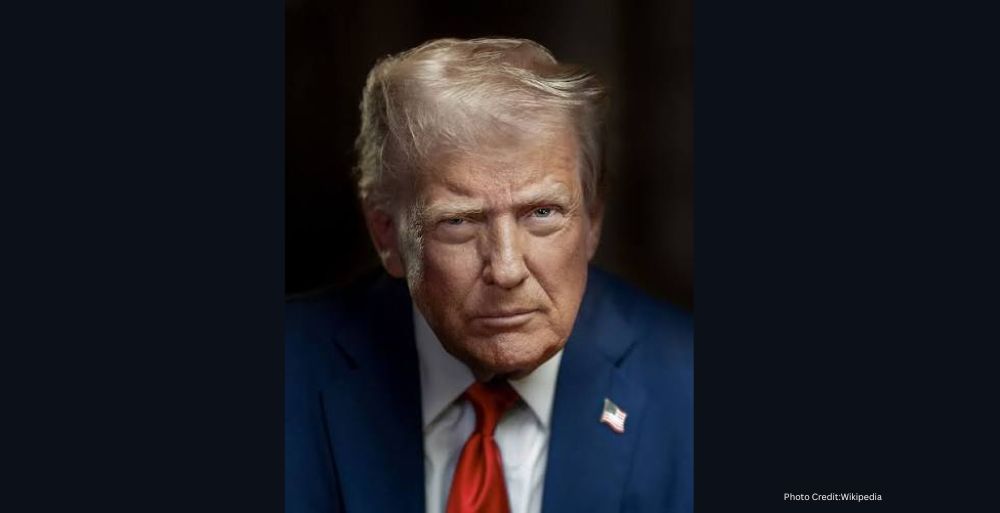
During a rally in Lubbock, Texas, former President Donald Trump announced plans to repeal methane regulations established by the Biden administration, arguing it would reduce costs for consumers and incentivize domestic oil production.
Former President Donald Trump announced on Tuesday evening, during a rally in Lubbock, Texas, that his administration intends to terminate regulations related to methane emissions that were enacted under President Joe Biden’s administration. Trump claimed that this regulatory rollback would save consumers and energy producers an estimated $45 billion and allow for the extraction of an additional 210 million barrels of oil—approximately equivalent to ten days of U.S. petroleum consumption.
“Tonight, I’m officially terminating Biden’s expensive and unnecessary methane regulations to save consumers and energy producers,” Trump stated, asserting that the existing rules imposed “crippling regulations” that contributed to rising prices for small oil and gas operators. This announcement comes amid criticism directed at his administration regarding high fuel prices, which have been attributed to ongoing geopolitical tensions, including the U.S. conflict with Iran.
Support from the Environmental Protection Agency
In a subsequent press release, Lee Zeldin, the administrator of the Environmental Protection Agency (EPA), expressed approval for Trump’s decision, referring to it as a move to “end the war on oil and natural gas” by revising regulations that govern the oil and gas industry under the Clean Air Act. The EPA’s projections suggest that the proposed changes could lead to significant savings for consumers and businesses, particularly benefiting small businesses engaged in oil production. Specifically, the agency estimates that the regulatory changes could produce an additional 210 million barrels of oil and approximately 1.41 trillion cubic feet of natural gas.
Background on Methane Regulations
The Biden administration’s methane rule, finalized in 2024, was the first federal regulation requiring existing oil and gas facilities to minimize methane emissions, leaks, flaring, and venting. This rule followed an earlier regulation established during the Obama administration in 2016, which applied only to new and modified sources. The Biden-era rule included a super emitter program, compelling companies to investigate major leaks identified by third-party monitoring, using EPA-approved remote sensing technology.
Despite some public support from oil and gas executives for the previous methane rule, industry trade groups and corporations have reportedly been working behind the scenes to weaken these regulations. Records obtained via the Freedom of Information Act by Fieldnotes, an oil and gas watchdog organization, indicate that discussions regarding methane regulations took place at least 38 times between industry representatives and the EPA during the first year of the Biden administration.
Julia Kane, a researcher at Fieldnotes, criticized the Trump administration’s approach, stating, “The oil and gas industry says it’s a ‘good-faith’ partner eager to help craft regulations, but time and time again it’s worked behind the scenes to delay and weaken them.” Kane’s comments reflect concerns that the administration is prioritizing industry interests over environmental protections.
Industry Perspectives
Trump’s rally also featured a shout-out to Harold Hamm, founder of Continental Resources, who was present in the audience. Continental Resources had previously expressed opposition to certain provisions within the Biden-era methane rule, particularly those limiting the routine flaring of associated gas.
Since the EPA announced in March 2025 that it would cease enforcement of oil and gas regulations, it is estimated that operators in the sector have leaked, vented, or flared natural gas valued at $7 billion, according to calculations from the Environmental Defense Fund. Rosalie Winn, senior director and lead counsel at the Environmental Defense Fund, criticized the Trump administration’s regulatory approach, stating, “What this administration is doing is enabling the worst polluters in the industry to continue to make ever more money off the back of American consumers while they’re wasting energy.”
Implications for Climate Policy
The move to repeal the methane regulations is likely to have significant implications for U.S. climate policy. Last year, the United States emitted more methane from its oil and gas sector than any other nation, contributing to at least a quarter of current global warming. The rollback of these regulations may hinder efforts to address climate change and emissions reduction, raising concerns among environmental advocates and scientists about the long-term impacts on public health and the environment.
As the political landscape continues to shift, the debate surrounding methane emissions and energy production remains a focal point of contention between industry interests and environmental advocacy, underscoring the complexities of U.S. energy policy in the context of climate change.