Harvard, Yale, Stanford, and several other prestigious universities are under investigation for their use of J-1 visas amid allegations of wage discrepancies affecting foreign researchers compared to American counterparts.
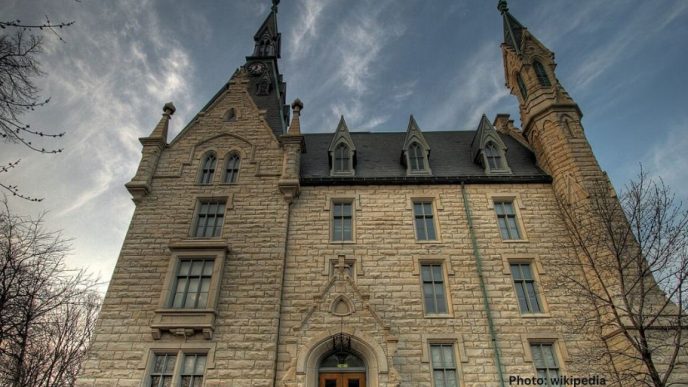
On October 8, 2026, a significant investigation was initiated involving ten prominent universities, including Harvard, Yale, Stanford, Brown, the University of Pittsburgh, the University of California, Davis, the California Institute of Technology, Arizona State University, and the Massachusetts Institute of Technology (MIT). The inquiry centers on the institutions’ use of J-1 visas, which allow foreign nationals to temporarily teach, lecture, conduct research, or study in the United States. The U.S. Department of Labor is leading the investigation to determine whether these universities are misusing the J-1 visa program to bypass wage regulations.
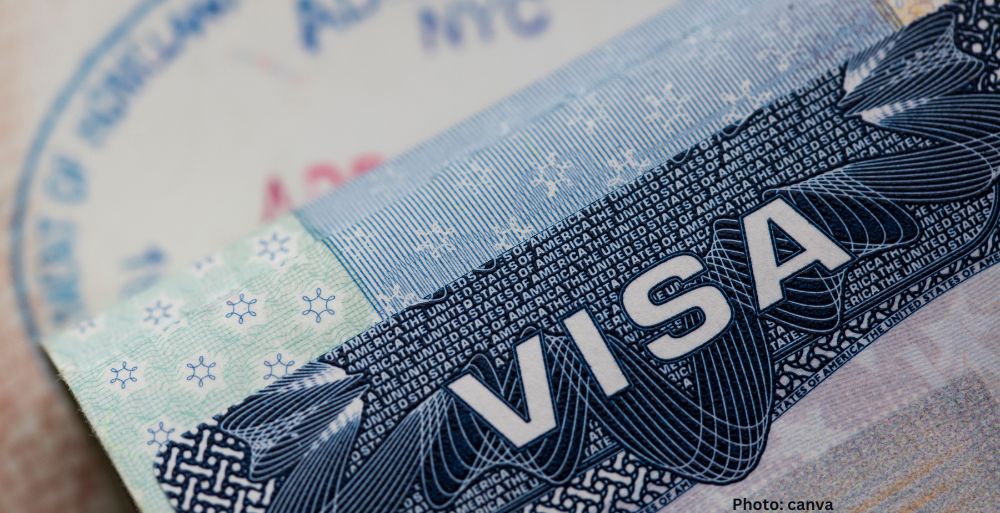
Overview of the J-1 Visa Program
The J-1 visa program, administered by the State Department, is designed to facilitate cultural and educational exchange, bringing approximately 300,000 foreign participants from around 200 countries and territories to the U.S. each year. However, recent data from BridgeUSA revealed that participation dropped to about 275,000 in 2025, marking an 8.8% decrease from the previous year. This program encompasses a wide range of participants, including students, researchers, and scholars, many of whom hail from countries such as China, India, and various African nations.
In October 2024, the U.S. issued 830 J-1 visas to nationals from mainland China, 686 to Indian citizens, 221 to South Africans, and smaller numbers to individuals from Nigeria, Ghana, and Kenya. These figures represent only the visas issued during that month and do not reflect the total population of J-1 visa holders currently residing in the United States.
Concerns Raised by Officials
During a White House press conference focused on visa fraud, Vice President JD Vance expressed concerns regarding the high percentage of J-1 visa holders employed by these universities. According to Vance, these institutions utilized J-1 visa holders for federally funded grants at a rate of approximately 61%, significantly exceeding the national average of 38%. He stated, “These universities are employing J-1 visas for federally funded grants at a rate of about 61 percent. The national average is 38 percent. So something weird is going on at these universities. They’re using these visas way too much. They’re using them to undercut the wages of American grad students and American researchers.”
Vance further emphasized that American graduate students or researchers typically earn about $20,000 more than those brought in under J-1 visas. While the investigations are ongoing, it is important to note that no wrongdoing has yet been established.
Ongoing Investigations and University Responses
The inquiry, led by the Labor Department, aims to explore potential financial implications and whether the J-1 visa program is being exploited for cost-saving measures that may undermine American labor standards. Inspector General Anthony D’Esposito confirmed that subpoenas have been issued as part of the investigative process, pledging to “follow the money and uncover the schemes.”
In response to the investigation, several universities have defended their practices and the contributions of international scholars. A spokesperson for Brown University asserted that its international scholars, students, and employees “make essential contributions on our campus, including to teaching and research that advances American innovation, competitiveness, and economic vitality.” The spokesperson acknowledged receiving a subpoena from the government regarding records related to foreign labor programs and committed to cooperating fully with the investigation.
Arizona State University also affirmed that it hires talent in compliance with existing U.S. policy and law. The university emphasized the importance of international collaboration in its academic and research efforts, stating that its hiring practices reflect adherence to legal standards.
Implications for Higher Education
This investigation raises important questions regarding the treatment of international researchers and the broader implications for U.S. higher education. Critics of the J-1 visa program argue that the reliance on foreign visa holders could lead to wage suppression and potential exploitation of international talent. Conversely, proponents assert that the program fosters diversity and innovation within academic institutions, enriching the educational environment.
The outcome of this inquiry may have significant repercussions for future policies surrounding visa programs and the employment of foreign nationals in educational settings. Universities may need to reassess their hiring practices and ensure compliance with wage regulations to protect both domestic and international scholars.
As this situation evolves, stakeholders in the academic community, including policymakers, university administrators, and advocacy groups, will be monitoring developments closely. The implications of this investigation could influence the recruitment of international talent and reshape operational practices at American universities for years to come.