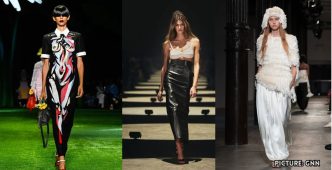
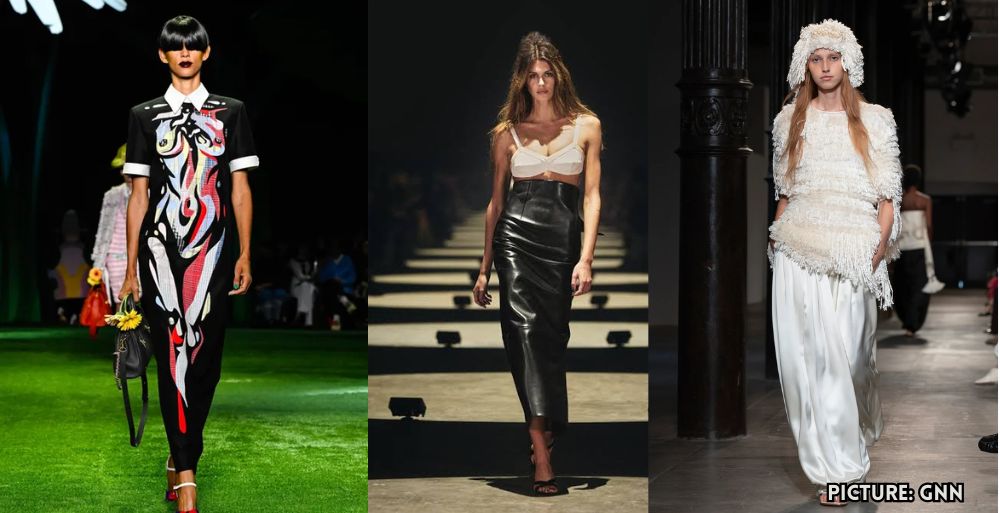
The Spring 2027 edition of New York Fashion Week showcased a diverse array of trends, reflecting the evolving landscape of personal style and the complexities of modern fashion.
The Spring 2027 season of New York Fashion Week (NYFW), which concluded on September 13, 2026, presented an eclectic mix of styles that highlighted the increasingly individualized nature of contemporary fashion. Over the course of the event, designers unveiled collections that both honored traditional fashion elements and pushed boundaries, illustrating the dynamic shifts in trends and consumer preferences.
As the event unfolded, it became clear that the diversity of the schedule mirrored a broader trend in which personal style is becoming less about strict adherence to prevailing norms and more about individual expression. While some trends were difficult to categorize, several distinct themes emerged from the shows, indicating potential directions for the upcoming season.
Emerging Trends
Among the standout trends noted during this NYFW were the innovative uses of sweaters and scarves, which saw a notable shift from being worn traditionally over the shoulders to being more commonly styled around the waist. This change suggests a move towards more functional and adaptable fashion choices, aligning with contemporary consumers’ desires for versatility.
Moreover, a clear winner emerged in the ongoing debate between capris and culottes. This year, culottes took precedence, indicating a possible shift towards more relaxed and comfortable bottom wear in everyday fashion. The preference for culottes aligns with a growing consumer demand for ease and versatility, particularly in urban environments where comfort is paramount.
Color Palette and Design Details
The color palette for Spring 2027 was notably telling, featuring a mix of both primary colors and their diluted counterparts. This duality reflects a broader trend towards inclusivity in fashion, allowing for varied expressions of style that cater to diverse tastes and preferences. Designers embraced a wide spectrum of hues, suggesting that both bold and subtle tones will coexist in wardrobes, providing consumers with options that resonate with their personal aesthetics.
In terms of design details, traditional elements such as buttons and symmetrical sleeves were noticeably less prominent. This shift could reflect a broader trend towards minimalism and simplicity in design, as consumers increasingly gravitate towards fashion that prioritizes comfort and ease of wear over intricate detailing. The reduction of such elements may also signal a desire for clothing that is easier to style and layer, further enhancing its practicality.
Fashion Icons and Influences
The influence of social media and celebrity culture on fashion trends cannot be overstated. As influencers and public figures increasingly shape consumer preferences, designers are aligning their collections with the tastes and lifestyles of these icons. The emergence of the waist-worn sweater and scarf trend can be seen as a response to this cultural shift, appealing to a generation that values practicality alongside style.
Additionally, the rise of sustainable fashion has become a significant consideration for both consumers and designers. Many collections at NYFW showcased eco-friendly materials and ethical production practices, reflecting a growing awareness of environmental issues within the fashion industry. This trend not only aligns with consumer values but also sets a precedent for future collections that prioritize sustainability alongside aesthetics.
Consumer Behavior and Market Implications
The trends showcased at Spring 2027 NYFW not only highlight the current state of fashion but also signal potential future directions within the industry. As designers continue to explore the boundaries of style, the emphasis on individual expression and comfort suggests that future collections may further embrace these themes. The evolution of personal style, as evidenced by the varied collections presented, reflects broader societal shifts towards diversity and inclusivity in fashion.
Fashion critics and industry insiders are closely monitoring how these trends will translate into mainstream retail offerings as the season progresses. The impact of these trends on consumer behavior will be significant, as shoppers increasingly seek out clothing that reflects their personal identities and values.
Conclusion
In sum, the Spring 2027 New York Fashion Week served as a vital platform for expressing the complexities of modern style. The emphasis on comfort, individuality, and sustainability not only resonates with current consumer demands but also sets the stage for the future of fashion. As the industry evolves, the balance between tradition and innovation will remain crucial in determining how styles are embraced and adapted by the public.
As the fashion landscape continues to shift, the insights gained from NYFW will likely influence not only the upcoming season but also long-term trends in consumer preferences and industry practices. The dialogue between designers and their audiences is more critical than ever, as fashion becomes an increasingly personal and expressive medium.