
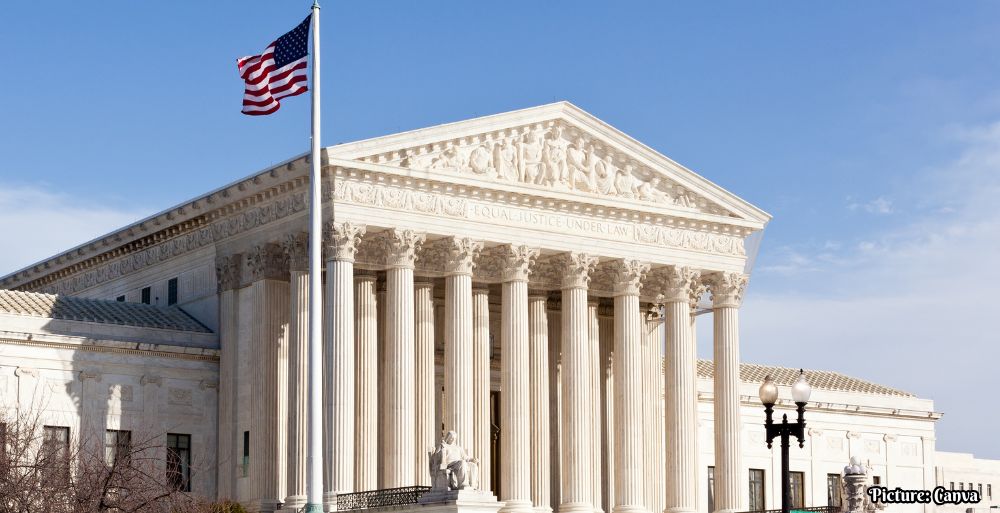
In a landmark decision, the U.S. Supreme Court has ruled to end affirmative action policies in higher education, significantly altering the landscape for college admissions across the nation.
The U.S. Supreme Court delivered a pivotal ruling on June 29, 2023, declaring that the affirmative action policies employed by Harvard University and the University of North Carolina (UNC) violated the Constitution, particularly the Equal Protection Clause of the Fourteenth Amendment. This decision, which effectively ends race-based admissions practices in higher education, has triggered a wave of reactions across political, educational, and civil rights landscapes.
Background of the Case
The legal battle began with a lawsuit filed by Students for Fair Admissions (SFFA), an organization led by Edward Blum, a conservative activist known for challenging affirmative action policies. The organization argued that both Harvard and UNC discriminated against Asian American applicants by holding them to higher standards than applicants from other racial backgrounds. The Supreme Court’s ruling marks a culmination of years of legal challenges to affirmative action, which was first sanctioned by the Court in the 1978 case Regents of the University of California v. Bakke.
In the years since that decision, affirmative action has been the subject of intense debate, with proponents arguing that it is necessary to promote diversity and rectify historical injustices, while opponents contend that it constitutes reverse discrimination. The Court’s ruling in 2023 is seen as a definitive shift in favor of the latter perspective, signaling a potentially transformative moment for higher education admissions policies throughout the United States.
Details of the Ruling
The decision was reached with a 6-3 vote, with Justice John Roberts authoring the majority opinion. The Court underscored that while diversity in higher education is a compelling interest, the methods employed by Harvard and UNC to achieve that diversity were unconstitutional. “The student body must be evaluated based on individual merit, not race,” Roberts stated. This ruling directly impacts not only the two institutions at the center of this case but also many universities that have relied on similar affirmative action policies.
Justice Sonia Sotomayor, in her dissent, emphasized the importance of affirmative action in achieving racial equity, arguing that the Court’s decision undermines the progress made in fostering diversity in educational settings. “The majority’s decision will make it more difficult for students of color to gain admission to our nation’s most prestigious universities,” she wrote.
Immediate Implications for Colleges and Universities
In the immediate aftermath of the ruling, many colleges and universities began reevaluating their admissions policies. Institutions such as the University of California system, which eliminated affirmative action in 1996, may not be as affected, but many others that have relied on race as a factor in admissions are now navigating uncharted waters. Some institutions are already exploring alternative methods to maintain diversity, including socioeconomic status as a criterion.
Educational experts have noted that while some schools are likely to adjust quickly, others may struggle to find effective ways to promote diversity without the tools they previously had. This ruling may lead to broader discussions about equity and inclusiveness in education and the workplace.
Reactions from Political Leaders and Advocacy Groups
The ruling has incited a variety of responses from political figures and advocacy groups. President Joe Biden expressed disappointment over the decision, asserting that it undermines the long-standing efforts to ensure that higher education is accessible to all people, regardless of race. He stated, “We must continue to strive for a nation where all individuals have an equal opportunity to succeed.”
Conversely, Republican leaders, who have long opposed affirmative action, hailed the ruling as a victory for meritocracy and fairness in education. Senate Minority Leader Mitch McConnell remarked, “This decision reaffirms the principle that every student should be judged on their own merits, not their race.”
Long-Term Consequences
Experts predict that the ruling may have far-reaching consequences beyond higher education. The decision could influence policies in employment and government contracting, where similar affirmative action practices are in place. As states and institutions grapple with the implications, there is likely to be a robust debate about how to balance diversity with meritocracy in various sectors.
As universities prepare for a new admissions landscape, the ruling has prompted discussions about how best to promote diversity and inclusion without relying on race as a factor. The broader implications of this ruling will undoubtedly continue to unfold in the coming months and years, shaping the future of education and civil rights in America.